Outdoor advertising in Castile and León: billboards, MUPIs and bus shelters for your business

Prices in Castile and León · per face per week
- 8x3 m billboardsfrom €76
- MUPIs (6-sheet)from €90
- Bus sheltersfrom €98
Prices exclude VAT · printing and posting from €35 per face
Outdoor advertising sites in Castile and León
In Castile and León we operate more than 700 outdoor advertising sites across the region's nine provinces, concentrated in León, Valladolid, Salamanca, Burgos, Ponferrada and Zamora. The region has 2,418,425 inhabitants according to the Continuous Population Statistics of Spain's National Statistics Institute (INE) as at 1 January 2026, over a territory that is the largest of any region in Spain and, indeed, in the whole European Union. Its transport network revolves around the A-6 towards Galicia, the A-1 heading north, the A-62 linking Burgos with Portugal via Valladolid and Salamanca, the A-66 Ruta de la Plata and the A-67 Cantábrica, routes that turn the approaches into towns and the ring roads into prime advertising space. Population density is low in relative terms (around 25 inhabitants per square kilometre), but spending is concentrated in a handful of urban centres, which makes it easier to plan campaigns with effective coverage without spreading the budget too thin.
Marco Visual covers the region's four main economic centres (Valladolid, Burgos, Salamanca and León), the capital of El Bierzo (Ponferrada), Zamora and the logistics hub of Miranda de Ebro. The inventory leans towards billboards and bus shelters, with a very significant share of MUPI street panels (six-sheet size) in León and Valladolid, while digital sites are concentrated mainly in Valladolid. The regional economy combines heavy industry (the motor industry in Valladolid and Palencia with Renault, tyres with Michelin and Bridgestone, Aciturri's aerospace business in Miranda de Ebro), food and drink with well-known names (ibérico ham from Guijuelo, Ribera del Duero, Rueda, Toro and Bierzo wines, milk-fed lamb from the high plains of the Meseta) and a strong university network in Salamanca, Valladolid, León and Burgos with more than 100,000 students every academic year. That patchwork of audiences (industrial, services, students, tourists) is what calls for a format mix planned city by city and sector by sector.
The regional calendar offers very distinct commercial windows. The nine Holy Week (Semana Santa) celebrations officially listed as of International Tourist Interest (Ávila, León, Medina del Campo, Medina de Rioseco, Palencia, Salamanca, Valladolid, Zamora and the Pasos de León) bring tourist flows every spring, with a verified economic impact of several million euros per city. On top of that come Las Edades del Hombre (exhibitions of sacred art), the book fairs, Valladolid's Feria de Día (daytime street fair), the Carnaval del Toro (bull-running carnival) in Ciudad Rodrigo, the San Pedro and San Juan festivities in Burgos, Zamora's San Pedro festival and Ponferrada's Noche Templaria (Templar Night), which create short, sharp peaks in awareness for local and national advertisers. Cultural tourism linked to the Camino de Santiago, the cathedrals and the Atapuerca archaeological site adds a steady flow from May to October, which many hospitality, retail and motor brands use to step up their outdoor presence.
In our campaign planner you can check the price of MUPIs and every other advertising site, real photos, the exact location, Google Street View, descriptions and nearby points of interest, dimensions, print format… Best of all, you can filter the sites and pick the ones you want, then plan and book the outdoor advertising campaign
Pages in Spanish
Looking for another area?
Explore the different outdoor advertising formats in Castile and León
Marco Visual is an online platform for managing and booking campaigns on outdoor advertising sites. Our website gives you all the information you need to plan and book an outdoor campaign. Get to know each site and its features: price, real photos, format, minimum booking period and other terms.
Outdoor sites are ideal for promoting events, with room on the ad for the venue, who is taking part and every other detail that matters. They are also widely used for branding, so that people start seeing a brand away from the screen and remember it better. Other common uses are launching offers (Black Friday, the sales, Christmas…) and opening new shops.
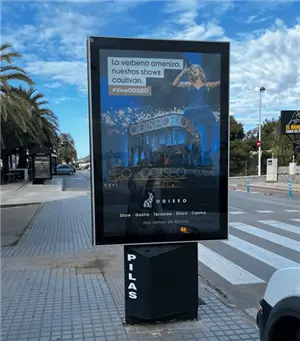
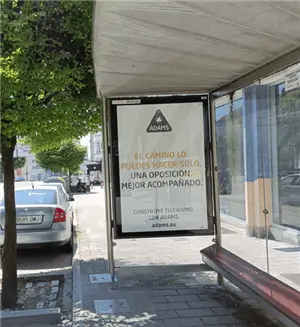
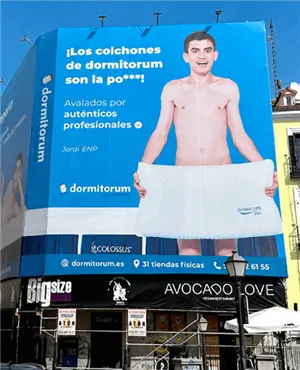
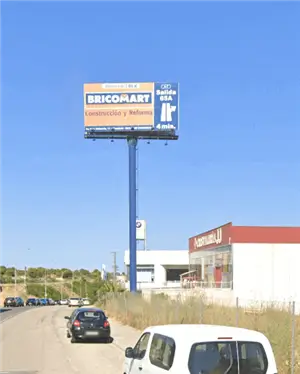
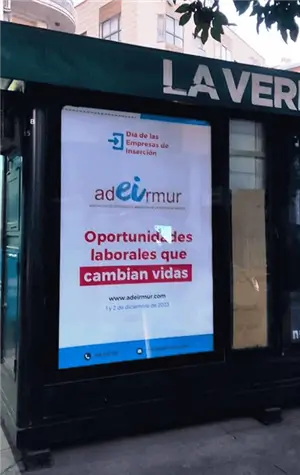
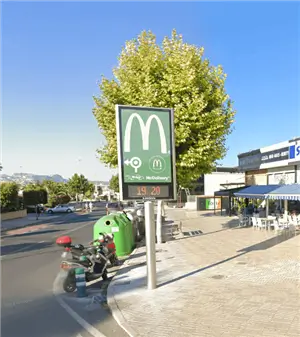
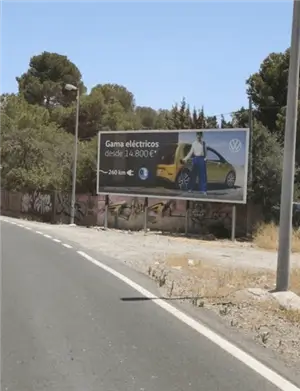
Here are some of our campaigns on different outdoor advertising sites:
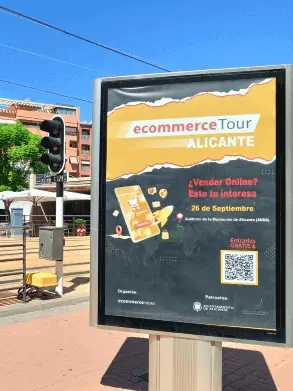
The benefits of outdoor advertising in Castile and León
Castile and León is a market where spending is concentrated even though the population is spread thinly across a vast territory, which makes it a region very well suited to carefully planned outdoor advertising. The four capitals attracting the most advertising investment (Valladolid, Burgos, Salamanca and León) have close to 750,000 inhabitants between them and, with their metropolitan areas and the comarcas (districts) they serve, more than a million. They are medium-sized cities with short journeys and very regular travel patterns: drivers and pedestrians pass along the same avenues, the same ring roads and the same bus stops every day. That multiplies the frequency of impact of a MUPI or a bus shelter without having to inflate the budget, and leaves a lasting brand impression that is hard to achieve with digital alone. Average income in Burgos is among the ten highest in Spain, and Valladolid has a well-established middle class with high purchasing power in cars, housing, education and leisure.
The sector profile is stable and predictable. Car dealerships do especially well (backed by the presence of Renault and Michelin in Valladolid, Bridgestone and Grupo Antolin in Burgos, and Aciturri and Mercedes-Benz in Miranda de Ebro), as do dental and eye clinics, student residences and tuition centres in Salamanca and Valladolid, local retail (Mercadona, Lidl, Carrefour, Hipercor, El Corte Inglés), hospitality businesses with their own brand and estate agents in markets with pressure on rents, such as Burgos and Valladolid. Outdoor advertising provides the physical presence that digital does not cover: when someone searches Google for a dentist or a car, the brand is already fixed in their mind because they have seen it a hundred times on the avenue they take every morning. Adding outdoor to digital brings down the cost per effective impact of both campaigns at once.
Regional seasonality allows very precise planning. The internationally listed Holy Week celebrations open a window of high-spending tourism between March and April, food fairs and theatre festivals drive long-weekend trips, and the rural and wine tourism season in Ribera del Duero, Rueda, Toro and Bierzo lifts intercity traffic from May to October. For advertisers with a modest budget, a two-week campaign on MUPIs and bus shelters in a single city gives very reasonable coverage; for brands looking for a regional roll-out, combining billboards on the A-1, A-6 and A-62 approaches with MUPIs in town centres covers 70% of the region's daily journeys without sending costs soaring. What matters is lining up the brand's calendar with the real calendar of each city, and at Marco Visual we help plan that format mix around your objective and the budget available.
In your marketing and communications strategy, outdoor advertising sites are essential for reaching your audience. They are an excellent way to catch the eye of people out and about in town, thanks to well-chosen locations and high visibility.
- Eye-catching visual advertising with 24/7 visibility in high-traffic areas.
- Strategic locations on the city’s main streets and avenues.
- Wide coverage: a presence in Spain’s main cities and regions.
- High visibility in carefully chosen spots for the greatest impact.
- Geographic targeting: choose the areas and neighbourhoods where your target audience is.
- Greater brand awareness and trust.
- Flexibility for short and long campaigns.
- A non-intrusive medium that helps the message stick when combined with social media campaigns.
The area and town links below go to pages in Spanish.
Outdoor advertising in León
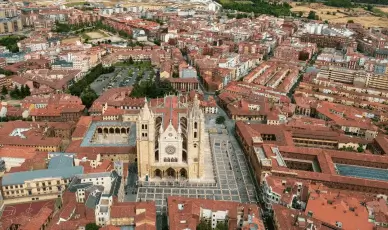
- Population: 124,091 inhabitants in the city and 446,771 in the province (INE municipal register, 2025)
- Gender split: roughly 53% women and 47% men
- Average age: around 53 years in the city, with an ageing trend
- Purchasing power: average, with an economy based on services, public administration, agri-food and a growing cybersecurity cluster
- Economic activity rate: around 50%, with a strong presence in healthcare, higher education, retail and logistics
- Relevance for advertising: a compact city with very regular through traffic along a handful of avenues, which multiplies the frequency of impact
León is the second most populous province in Castile and León, with 446,771 inhabitants according to the 2025 municipal register of Spain's National Statistics Institute (INE), of whom some 124,000 live in the city itself. In 2025 the city recorded its first year of population growth since 2008, driven by immigration and by the consolidation of a service sector built around the regional administration, the University of León, the University Hospital and the business activity on the Reyes Leoneses, Fray Luis de León and Ordoño II streets. León's economy rests on the historic weight of the agri-food sector (El Bierzo cured meats, dairy, vegetables), a significant pharmaceutical industry and a growing cybersecurity cluster linked to INCIBE, Spain's national cybersecurity institute.
Our coverage in León is the densest anywhere in Castile and León, with around 170 advertising sites: billboards on the approaches into the city along the A-66, the N-630 and Avenida de Antibióticos, bus shelters in the university and residential areas, MUPIs on the main shopping streets and street thermometers at high-traffic locations. The locations are concentrated on Avenida de Fernández Ladreda, Paseo de Salamanca, Avenida del Padre Isla, Avenida de Asturias, Calle Lancia, the area around the Reino de León stadium and the Mártires de Somiedo roundabout, as well as the approaches to the Trobajo del Camino industrial estate and the Vilecha industrial estate next to Mercaleón (the wholesale food market).
MUPIs in León
MUPIs in León work particularly well for campaigns aimed at pedestrians and slow-moving city drivers: the university area, the main shopping streets and the areas around healthcare facilities. They reach a broad profile, from students at the veterinary faculty and across the University of León to the adults who walk along Ordoño II and Padre Isla, with a well-judged visual rotation that avoids the clutter of the larger formats. Their human scale makes them a good fit for creatives with carefully written copy, legible calls to action and one-off promotions.
The main locations are spread along Avenida de Fernández Ladreda where it crosses Santos Olivera, Murillo and Rey Monje, Calle Fray Luis de León next to El Corte Inglés and Velázquez, Avenida de Padre Isla at its corners with Suero de Quiñones and Álvarez López Núñez, Calle Lancia at Ramiro III and Santiesteban, Plaza de Santo Domingo, Plaza de San Marcos next to Gran Vía, Paseo Condes de Sagasta by the Guzmán roundabout, Avenida de Reyes Leoneses opposite the regional government (Junta) building and Avenida San Mamés where it meets Plaza Juan de Austria.
Bus shelters in León
Bus shelters in León cover the busiest public transport corridors and the residential areas that extend beyond the old town. They are the most effective format for campaigns that need long dwell times and an informative tone, particularly in sectors such as private healthcare, training, banking, telecoms and e-government. People waiting for the bus stay with the creative for several minutes, not seconds, and that leaves room for messages with more copy and legal small print without sacrificing legibility.
You will find bus shelters on Avenida de Reyes Leoneses next to the Auditorium, on Avenida de la Universidad at the corner of Encinar, on Calle Mariano Andrés, on Moisés de León opposite block 7, on Avenida José Aguado and its stretch by the health centre, on Álvaro López Núñez, on Avenida Antibióticos at number 115, on Carretera de Asturias, on Gutiérrez Mellado by the park and next to commercial area 17, as well as at the Alcalde Miguel Castaño roundabout and on the approaches to the Eras de Renueva neighbourhood.
Billboards in León
Billboards are the most suitable format for advertisers who want to reach the road traffic coming into and out of León, especially car dealerships, superstores, consumer goods brands and seasonal campaigns. Site selection favours road approaches and ring-road junctions with a constant flow of traffic from first thing in the morning. At 8 m × 3 m, they suit a bold image with a short message, designed for a three-second glance at 60 km/h.
The main billboards are on Avenida de Antibióticos, on the stretch by the petrol station and heading towards the centre, on Avenida de Fernández Ladreda where it crosses Antibióticos towards the bullring, on Avenida Quevedo heading towards the park, on Avenida de Asturias opposite the old barracks, at the Mártires de Somiedo roundabout, on Avenida Portugal opposite the petrol station, on Avenida del Doctor Fleming, on Carretera de Vilecha next to the Vilecha Oeste industrial estate, on Avenida Real opposite the sports centre and next to the Aldi supermarket, and on the exit towards Zamora near Antibiótico.
Street thermometers in León
Street thermometers are a distinctive format with a strong presence in León, combining a time and temperature display with a highly visible advertising panel on the side. They work well at junctions and roundabouts where traffic has to wait, as drivers glance at the reading and, almost without meaning to, take in the brand next to it. Each look is brief but recurring: the same thermometer is checked dozens of times a month by thousands of drivers going round the same roundabout every day.
León's clock-thermometers are in the centre and on the main routes into the city: Plaza de Santo Domingo, Ordoño II, Gran Vía de San Marcos, Avenida de Roma up to the Guzmán roundabout, Padre Isla, Reyes Leoneses opposite the regional government (Junta) building and the Carlos Pinilla roundabout, plus the bullring (Plaza de Toros), Santa Ana, the Espolón and San Francisco. Each one carries a 175 × 120 cm poster at €116 per face per week, with a minimum booking of one week.
Outdoor advertising in Valladolid
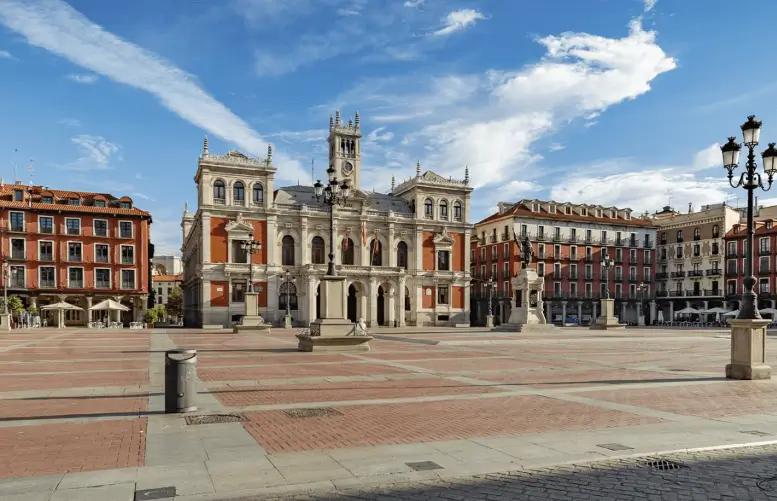
- Population: 302,614 inhabitants in the city and 528,841 in the province (INE municipal register, 2025)
- Gender split: roughly 52% women and 48% men
- Average age: around 47 years, slightly below the regional average
- Purchasing power: above average, with an economy based on the motor industry, tyres, agri-food, financial services and the regional administration
- Economic activity rate: around 53%, with a strong presence in the car industry, the service sector, healthcare and public administration
- Relevance for advertising: the region's main market, with a high density of digital advertising sites and urban consumer spending that is large by the region's standards
Valladolid is the regional capital and the main economic engine of Castile and León. It has 302,614 inhabitants as at 1 January 2025 according to the official municipal register of Spain's National Statistics Institute (INE), and a metropolitan area approaching 421,500 people with Laguna de Duero, Arroyo de la Encomienda and La Cistérniga. The city generates a large share of regional GDP, with the Renault factory in Villamuriel-Valladolid, the Michelin plant on the avenue of the same name, which produces five million tyres a year, the San Cristóbal and Argales industrial estates and a dense service sector along Paseo de Zorrilla and Calle Santiago and around Plaza Mayor.
Our coverage in Valladolid combines billboards on the main approach roads (VA-20, Ronda Norte, Paseo Juan Carlos I, Avenida de Zamora), bus shelters in residential and office neighbourhoods, MUPIs on the main shopping streets in the centre and digital advertising sites (DOOH), which carry more weight here than in any other city in the region. The most important locations include Paseo de Zorrilla on the stretch next to the Vallsur shopping centre and the bullring, Avenida de Salamanca at its corners with José Luis Arrese and Sánchez Arjona, Plaza Madrid, Plaza Zorrilla, Plaza España, Plaza Circular, Plaza Cruz Verde, the area around the Hospital Clínico (the university hospital), Avenida de Burgos next to the car dealerships and the N-601 exit towards Madrid.
Billboards in Valladolid
Billboards in Valladolid work especially well on the VA-20 and VA-30 ring-road corridors and on the main exits towards Madrid, Burgos, Palencia and Zamora. They catch drivers heading into the centre from Laguna de Duero, Arroyo and La Cistérniga, as well as the vans and sales reps travelling between San Cristóbal, Argales and the Michelin factory at Pinar de Jalón. They are the most effective format for car dealerships, out-of-town retail, consumer goods brands and regional campaigns looking for fast, wide reach among heavy traffic.
The main locations are spread along Avenida de Zamora by the petrol station and heading towards the San Cristóbal industrial estate, with the Uralita factory, and the Vallsur shopping centre, Calle Daniel del Olmo González at the Fernández Ladreda roundabout towards Paseo Zorrilla and the Makro car park, Paseo Juan Carlos I at the corner of Avenida de Segovia, Carretera de Rueda at the VA-30 roundabout next to the seat of the regional government (Junta) and the Hotel Lasa Sport, Ronda Norte at its roundabout by the petrol station and the approaches to Mercaolid (the wholesale food market) and Michelin, the VA-20 at the roundabout with Carretera de Renedo (VA-140) towards the university campus, and Avenida de Burgos next to the car dealerships and the entrance to the La Overuela neighbourhood.
Bus shelters in Valladolid
Bus shelters in Valladolid cover the busiest city bus corridors, with waiting times long enough to give extended dwell time. They are the preferred format for everyday services: clinics, telecoms, banking, seasonal retail offers and public-sector campaigns from the City Council and the regional government (Junta). The bus shelter audience allows for more detailed messages and legal small print without losing legibility, which is hard to achieve on a roadside billboard.
You will find bus shelters on Plaza Cruz Verde and Plaza Circular, on the stretch next to the San Isidro tunnel, on Paseo de Zorrilla where it meets Calle Cañada Real, next to El Corte Inglés and opposite Vallsur, on Paseo Arco de Ladrillo next to the bus station, on Acera de Recoletos opposite Calle Mantilla, on Calle Real de Burgos at the corner of Doctor Fleming opposite the church, on Calle Júpiter at Avenida Gijón, on Calle Embajadores at its corner with Paseo Farnesio, on Avenida Ramón y Cajal next to the Hospital Clínico and on Avenida Ramón Pradera opposite the NH hotel.
MUPIs in Valladolid
MUPIs in Valladolid target pedestrian flows in the city centre's high-street shopping area (Plaza Mayor, Calle Santiago, Paseo de Zorrilla) and the residential areas with the most people on foot, such as Parquesol, Huerta del Rey and Las Delicias. Their human scale and poster height make them a good fit for messages with carefully written copy, not just an image, and for sectors such as fashion, hospitality, culture, training and clinics that need to convey trust through polished design.
The main locations include Avenida José Luis Arrese opposite number 23, at Avenida de Salamanca, Calle Gondomar at its corner with Avenida de Palencia and Calle Chancillería, Calle Panaderos next to Plaza Cano Argales, Paseo de Zorrilla on its central stretch at Calle Cerrato, Avenida de Salamanca at its corner with José Luis Arrese, Calle Padre J. Acosta opposite Calle Mieses, Plaza Poniente next to Paseo Isabel la Católica, Plaza Madrid on Acera Recoletos at the corner of Calle Perú, Plaza San Miguel at the corner of Doctor Cazalla and Plaza Juan de Austria on Paseo de Zorrilla next to El Corte Inglés.
Digital screens in Valladolid
Digital screens, or DOOH, are the fastest-growing format in Valladolid and, with around twenty locations, offer what paper cannot: rotating creatives, targeting by time of day and the option of adapting the message to the weather, shop opening hours and one-off events. Their flexibility suits advertisers who need to test several messages side by side or change tack mid-campaign without paying for a reprint.
They work especially well for campaigns with several products (car dealerships with different models, retailers with several promotions at once, clinics with different specialities), countdown events and last-minute announcements. Their locations are concentrated on the main shopping and office corridors in the centre and around Paseo de Zorrilla, as well as on city approach roads with heavy rush-hour traffic. They are usually planned by the week with several plays an hour, which lets you build up frequency with a recurring audience without losing impact quality.
Outdoor advertising in Salamanca
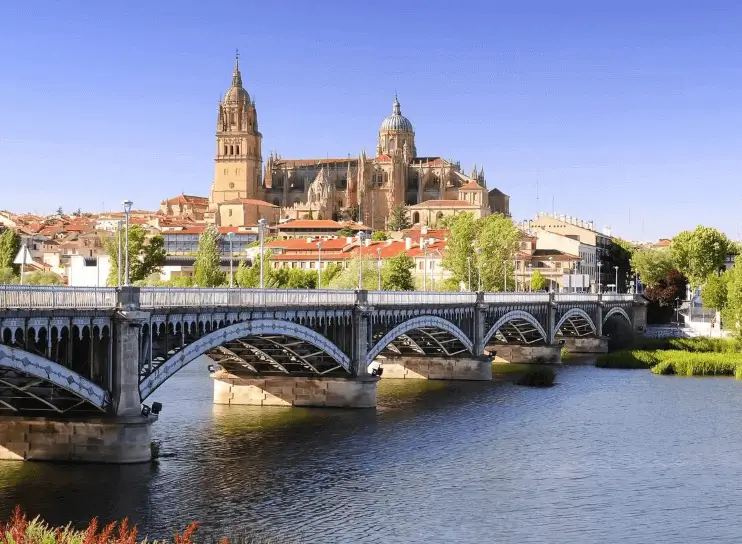
- Population: 146,110 inhabitants in the city and 328,779 in the province (INE municipal register, 2025)
- Gender split: roughly 53% women and 47% men
- Average age: around 47 years, with a sizeable temporary student population
- Purchasing power: average, with an economy based on the university, cultural tourism, professional services and retail
- Economic activity rate: around 49%, with a strong presence in higher education, hospitality, healthcare and retail
- Relevance for advertising: a university city with two distinct audiences (residents and students) who move along very specific routes
Salamanca has 146,110 inhabitants according to the 2025 municipal register of Spain's National Statistics Institute (INE), and every academic year it is home to close to 40,000 university students split between the University of Salamanca and the Pontifical University, which adds a young audience with considerable influence over what others buy to a city that keeps its traditional base of services, retail, hospitality and public administration. Its Holy Week is officially listed as of International Tourist Interest, and the whole historic centre (Plaza Mayor included) is a UNESCO world heritage site. The city combines two very different audiences: local residents with steady spending, and temporary students with high turnover who spend on hospitality, nightlife, courses, rent and bookshops, mostly between October and June.
Our coverage in Salamanca leans towards billboards (around 80) and MUPIs in the university area, with a good spread of bus shelters in the Pizarrales, Puente Ladrillo, Garrido and Tejares neighbourhoods. The locations are concentrated on Avenida de Salamanca, Avenida Saavedra y Fajardo, Avenida San Agustín, Calzada de Toro, Avenida de Federico Anaya, Avenida de Maristas next to the campus, Paseo de Canalejas, Paseo Rector Esperabe, Avenida Filiberto Villalobos, Avenida de la Salle and the A-66 exit towards Zamora. This spread covers both the main shopping streets and the approaches to the campus and to the Villares de la Reina industrial estate.
Billboards in Salamanca
Billboards in Salamanca are the dominant format in the inventory and are especially good at catching traffic on the A-66 approaches into the city from Cáceres and from León, as well as the flow between the city centre and the Villares de la Reina and Castellanos de Moriscos industrial estates. They work particularly well for car dealerships, industrial suppliers, out-of-town retail and tourism campaigns aimed at visitors arriving on the Ruta de la Plata motorway.
The main locations are on Avenida Saavedra y Fajardo next to the Guardia Civil building, on Avenida San Agustín by the railway at the Tratado de Tordesillas roundabout heading towards the industrial estate, on Calzada de Toro at its roundabout with Carretera de Valladolid, for traffic into and out of the industrial estate, on Avenida Saavedra y Fajardo at the corner of Avenida Juan de Austria heading towards the boulevard, at the Flecha roundabout next to Calle Jesús Arambarri opposite the DIA supermarket, at the Beatriz de Suabia roundabout on the corner of Avenida Fernando III el Santo, on Paseo Canalejas next to the Rector Esperabe roundabout by the University, and at the Tratado de Tordesillas roundabout on the corner of Paseo de los Olivos.
Bus shelters in Salamanca
Bus shelters in Salamanca cover the city bus stops with the most frequent services and the routes to the campus, the secondary schools and the shopping centres. They are the preferred format for tuition centres, student residences, clinics, restaurants and the City Council's cultural campaigns, because people waiting for the bus spend several minutes with the creative, which leaves room for detailed messages. The city's student density makes them a very cost-effective buy for sectors that depend on a young audience.
You will find bus shelters on Avenida Maristas opposite Fray Luis de León and where it crosses Paseo de San Vicente, on Francisco Tomás y Valiente, on Paseo de la Transición Española next to Puente de la Universidad, on Paseo del Desengaño near La Vaguada secondary school and by the river, on Avenida Doctor Ramos del Manzano opposite the faculty, on Calle San Gregorio de La Vaguada, on Calle Astorga opposite the secondary school and the church, at number 42 Calle Colombia next to the school, on Calle Hilario Goyenechea next to the school and on Paseo Rector Esperabe opposite the city walls.
MUPIs in Salamanca
MUPIs in Salamanca target pedestrians in the university area and the historic centre, with a strong presence on the bridges over the Tormes and on the approaches to the campus. They are the most effective format for messages with carefully crafted creative aimed at residents and weekend visitors. The golden tone of Villamayor stone calls for creatives with good contrast, something the creative team should bear in mind so the design does not blend into its surroundings.
Their locations include number 21 Calle Rector Esperabe, Paseo de San Gregorio at Puente Sánchez Flórez, Paseo del Desengaño on its riverside stretch, Puerta de Zamora next to Mirat, Avenida de Carmelitas on its Villamayor stretch and at its corner with Condes de Crespo Rascón, Calle Íscar Peira at Cuesta del Carmen, Paseo de la Estación opposite Galileo and at number 85 on the corner of Padre Cámara, Avenida de los Cedros next to Tilos and Avenida Filiberto Villalobos at the corner of Peña de Francia.
Outdoor advertising in Burgos
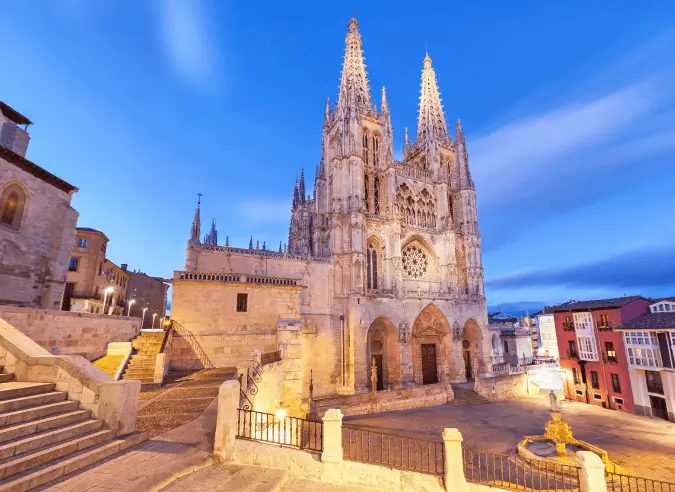
- Population: 177,402 inhabitants in the city and 361,556 in the province (INE municipal register, 2025)
- Gender split: roughly 51% women and 49% men
- Average age: around 47 years, with positive net migration
- Purchasing power: above average, with an economy based on the motor industry, chemicals, agri-food, energy and services
- Economic activity rate: around 53%, with a strong presence in industry, logistics, healthcare and retail
- Relevance for advertising: the third-highest per capita income in the region and an industrial hub with constant traffic between the factories and the city centre
Burgos is the third most populous city in Castile and León, with 177,402 inhabitants according to the 2025 municipal register of Spain's National Statistics Institute (INE), and the second-largest industrial centre in the region, with a manufacturing sector large enough to put it among the leading cities in Spain for industrial GDP per capita. The city is home to companies such as Grupo Antolin (car components), Bridgestone, Campofrío, Cervezas San Miguel, L'Oréal, Smurfit Kappa and Hiperbaric, spread across the Gamonal, Villalonquéjar and Villafría industrial estates. Burgos Cathedral, the stretch of the Camino de Santiago that crosses the province and the Atapuerca archaeological site add up to three UNESCO world heritage listings.
Our coverage in Burgos combines billboards on the approach roads along the A-1, the N-120 towards Logroño and the N-234 towards Soria, MUPIs on the main city arteries (Avenida del Cid, Calle Vitoria, Avenida Cantabria) and bus shelters in the Gamonal neighbourhood and on the outskirts, plus a group of digital advertising sites in office districts. The standout locations are on Avenida del Cid Campeador, Calle Vitoria on its main shopping stretch, Avenida Cantabria next to the University Hospital, Paseo de la Sierra de Atapuerca, Avenida de la Constitución Española on the N-120 opposite the brewery, Avenida de Príncipes de Asturias and the exit towards Madrid on the N-I.
Billboards in Burgos
Billboards in Burgos catch the industrial traffic between the Gamonal, Villalonquéjar and Villafría industrial estates and the routes into the city centre along the N-1 and the N-120. They work particularly well for car dealerships, building materials, industrial suppliers, out-of-town retail and campaigns aimed at drivers passing through on the A-1. The logistics activity that comes with the industrial sector guarantees van and light lorry traffic throughout the working day, not just at rush hour.
The main locations include Avenida de Madrid at Calle Ventosa, next to the car dealerships on the way into Burgos, Calle Alcalde Martín Cobos where it crosses Carretera de Logroño, next to the Gamonal industrial estate and opposite a car dealership, Plaza San Agustín, Avenida Príncipes de Asturias at the Camino Casa de la Vega roundabout opposite the Cepsa petrol station, Avenida de Madrid next to Hipercor, Avenida de la Constitución Española on the N-120 opposite BMW and the Cervezas San Miguel brewery, Avenida Islas Baleares at the roundabout towards Islas Canarias, number 25 Carretera de Logroño next to the grill restaurant, and Avenida de la Constitución opposite the San Miguel brewery.
MUPIs in Burgos
MUPIs in Burgos target pedestrians on the main arteries in the centre and in established neighbourhoods such as Gamonal, Cortes and Capiscol. Being at eye level makes them very well suited to sectors with detailed creative: clinics, training, banking, consumer goods brands and the City Council's cultural announcements. The spread of MUPIs across Burgos reaches both residents going out to do their shopping and tourists visiting the cathedral and Atapuerca, two audiences with very different dwell times and attention spans.
Their locations are spread along Avenida del Cid Campeador on its outer stretch next to Calle Jerez and at its corner with Calle Berenguela, Avenida Cantabria in the central area next to Calle Batalla de Villalar, Paseo de la Sierra de Atapuerca next to Plaza Santa Teresa, Calle Vitoria on its central stretch at the corners of Calle Casilda and Calle Saenz Albarado, Calle San Roque next to the petrol station, Avenida del Arlanzón at the corner of Plaza del Rey, Avenida La Paz next to Calle Segovia, Avenida Castilla y León at the corner of Juan Bravo, Calle Madrid at the corner of Calle Europa and Avenida Reyes Católicos at the corner of Julio Sáez de la Hoya.
Bus shelters in Burgos
Bus shelters in Burgos cover the city bus corridors in the Gamonal neighbourhood, the outskirts of Capiscol and the university area. They are the right format for campaigns that need dwell time without being intrusive, such as private healthcare, education and local retail. The audience waiting for the city bus in Gamonal is very stable, and that makes these bus shelters a regular choice for neighbourhood advertisers and public-sector campaigns.
You will find bus shelters on Calle Vicente Aleixandre next to Gonzalo de Berceo, on Calle Islas Baleares in the centre next to the University Hospital, on Avenida La Paz opposite number 21, on Avenida del Cid next to La Salle school, on Calle Madrid on the outskirts, on Avenida Costa Rica at the corner of Nicaragua, on Calle Villadiego opposite the Faculty of Humanities and Education, on Plaza San Juan de los Lagos next to Calle de los Canales, on Avenida de la Constitución at number 27 and at number 157 Calle Vitoria.
Digital screens in Burgos
Digital screens in Burgos are a small but strategic part of the inventory, placed in high-traffic areas with useful dwell time for drivers and pedestrians. They let you schedule several plays an hour and combine messages from several advertisers or several campaigns from the same client, with the advantage of being able to change the artwork on the fly if the offer or promotion changes mid-campaign.
They work especially well for car dealerships with frequently changing offers, restaurants with daily set menus and cultural campaigns with a countdown. Their locations are chosen to guarantee night-time visibility and a lasting visual presence on the main shopping and service corridors. As in Valladolid, planning is adjusted by day, time slot and rotation, which helps make the most of an investment that would cost considerably more in static formats.
Outdoor advertising in Ponferrada
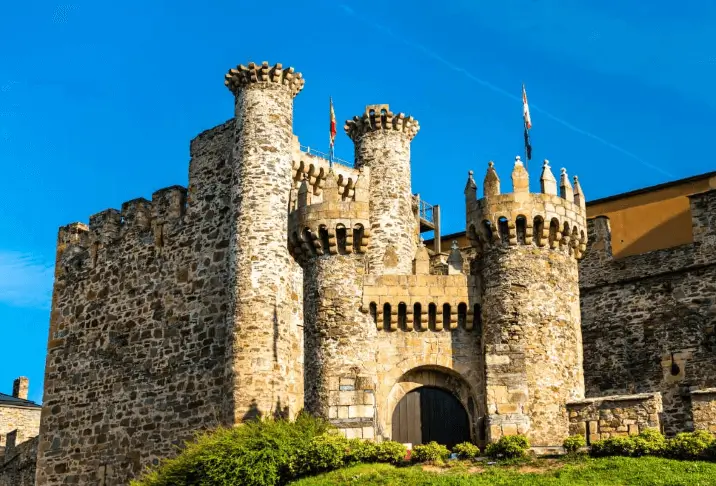
- Population: 62,963 inhabitants in the municipality (INE municipal register, 2025)
- Gender split: roughly 52% women and 48% men
- Average age: around 49 years, trending younger thanks to immigration
- Purchasing power: average, with an economy based on services, retail, agri-food (Bierzo wine, peppers), tourism and energy
- Economic activity rate: around 47%, with a strong presence in hospitality, retail, healthcare and public administration
- Relevance for advertising: the capital of the comarca, with growing tourist numbers and retail clearly on the rise
Ponferrada is the capital of El Bierzo and the sixth-largest city in Castile and León, with 63,186 inhabitants according to 2025 figures from Spain's National Statistics Institute (INE). After years of population decline linked to the closure of the mines, the city has now recorded three consecutive years of growth thanks to services, retail (72 new openings in 2025) and rising tourism, whose economic impact went from €14 million in 2023 to €29 million in 2025. The Castillo de los Templarios (Templar castle), listed in 2025 as a Bien de Interés Cultural (protected heritage site) in the historic ensemble category, and the Camino Francés route of the Camino de Santiago, which runs through the city, are its two great assets for domestic and international visitors.
Our coverage in Ponferrada is split between MUPIs in the town centre and billboards on the approach roads along the A-6 towards Galicia and the N-6, with a presence on the main radial avenues. The locations are concentrated on Avenida de la Puebla, Avenida del Castillo, Avenida de Compostilla, Avenida de la Martina, Avenida de Galicia towards Cuatrovientos, Avenida de Portugal, Avenida del Bierzo, Avenida de los Escritores and the approaches to the El Bierzo industrial estate and the El Rosal retail area.
MUPIs in Ponferrada
MUPIs in Ponferrada reach both pedestrians in the historic centre and residents of the Cuatrovientos, Flores del Sil and Compostilla neighbourhoods. They work well for local messages (clinics, hospitality, independent shops, cultural events) and for regional campaigns that tap into the flow of pilgrims on the Camino de Santiago in spring and summer. Their presence around the Templar castle adds a tourist dimension that few outdoor formats manage to capitalise on so well.
The main locations include number 55 Calle General Vives, Plaza Obispo Osmundo next to the tax office, Avenida América next to the school, Calle Reino de León next to the library, Avenida Huertas del Sacramento next to La Máquina shopping centre, Calle Juan de Lama and Calle Felipe II next to the food market, Avenida de la Puebla where it crosses Gregoria Campillo, Avenida de Compostilla next to the transport interchange, Paseo de San Antonio next to the school, Avenida del Castillo on its stretches by the pilgrims' hostel, Plaza Luis del Olmo and Plaza Fernando Miranda, Avenida Valdés next to the Minero building, Avenida de la Martina at the roundabout with Avenida Portugal and Avenida de Galicia at the Cuatrovientos community centre.
Billboards in Ponferrada
Billboards in Ponferrada catch traffic on the A-6 approach roads towards Galicia and on the local road network across El Bierzo. They work especially well for car dealerships, out-of-town retail, industrial suppliers and tourism campaigns aimed at pilgrims and visitors. The A-6 carries through traffic heading for Lugo and Santiago all year round, with a clear peak in summer that brands with a regional presence know how to make the most of.
Their locations are spread along Avenida de Galicia at the SEUR roundabout, opposite the petrol station, on the exit towards Lugo and the El Bierzo industrial estate, Calle Médico Sin Fronteras opposite the Hospital del Bierzo heading towards Avenida de Galicia, number 214 Avenida de Portugal next to the bus stop heading towards La Cemba, Avenida Milán where it crosses Avenida Oporto, Avenida de Asturias next to El Rosal shopping centre on the way out of town, Avenida de los Escritores where it crosses Avenida Oporto at the Saltoki roundabout, Avenida de Galicia on the Cantalobos industrial estate at the N-6 junction, and Cuatrovientos on Avenida de Galicia opposite Lidl.
Outdoor advertising in Zamora
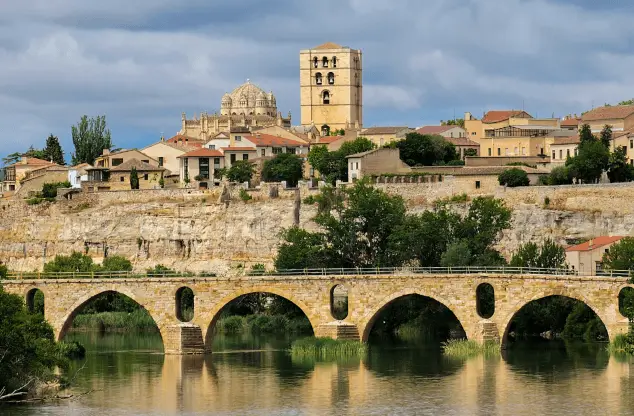
- Population: 59,815 inhabitants in the city and 165,275 in the province, according to INE 2025 data
- Gender split: roughly 53% women and 47% men
- Average age: around 54 years, the highest of any Spanish provincial capital
- Purchasing power: average, with an economy based on services, agri-food (Zamorano cheese, Toro wines), cultural tourism and public administration
- Economic activity rate: around 46%, with a strong presence in the service sector, healthcare, hospitality and retail
- Relevance for advertising: highly seasonal tourist flows over Holy Week that open up very strong commercial windows for retail, hospitality and services
Zamora has 59,815 inhabitants according to 2025 figures from Spain's National Statistics Institute (INE) and is the seventh-largest city in Castile and León, as well as the capital of the province with the highest average age in Spain (close to 54). Its Holy Week, officially listed as of International Tourist Interest since 1986 and protected as intangible heritage (Bien de Interés Cultural) since 2015, has a verified economic impact of more than €12 million and every spring draws visitors with above-average tourist spending. Romanesque churches are its great pride, with more of them here than anywhere else in Europe, and the city looks out over the Duero on the last stretch before the river enters Portugal.
Our coverage in Zamora is made up of billboards on the approach roads along the A-66 from Salamanca, the N-630, and the N-122 from Valladolid and from the Portuguese border, as well as on the main roads through the La Hiniesta and Valderaduey industrial estates. The standout locations are on Calle de Salamanca next to the Puerta del Pescado roundabout, on Avenida Cardenal Cisneros heading towards the La Hiniesta industrial estate, on Avenida Galicia next to Mercadona, on Carretera de Villalpando (CL-612) on the exit towards Valladolid and Palencia, on Avenida de la Frontera towards Alcañices and Portugal, on Avenida Requejo at the corner of Avenida de Valladolid opposite Vista Alegre shopping centre and on Carretera de Salamanca next to the stadium.
Billboards in Zamora
Billboards in Zamora are the only format in our local coverage and are spread between the approach roads into the city and the corridors leading to the La Hiniesta and Valderaduey industrial estates. They work well for car dealerships, building materials, out-of-town retail and, above all, tourism campaigns focused on Holy Week and on visitors arriving from Salamanca and Valladolid. Zamora's Holy Week is so distinctive that the month before it becomes a highly profitable advertising window for local hospitality.
The main locations are spread between number 18 Calle de Salamanca next to the Puerta del Pescado roundabout, for traffic into and out of the city towards Salamanca, the CL-527 (Camino de la Blanca) at the roundabout on Carretera de Salamanca, Avenida Cardenal Cisneros heading towards the La Hiniesta industrial estate, Avenida Galicia next to Mercadona heading towards Avenida Feria and the car dealerships, number 49 Carretera de Villalpando on the exit towards Valladolid and Palencia, Avenida de la Frontera towards Portugal at Alcañices, Carretera de Salamanca next to the stadium, Avenida Cardenal Cisneros at Gutiérrez Rivero, Avenida Requejo at the corner of Avenida de Valladolid opposite Vista Alegre shopping centre, Avenida Cardenal Cisneros at its roundabout with Avenida Galicia, and Carretera de Villalpando at the corner of Calle Arboleda opposite Lidl, next to Valderaduey shopping centre.
Outdoor advertising in Miranda de Ebro
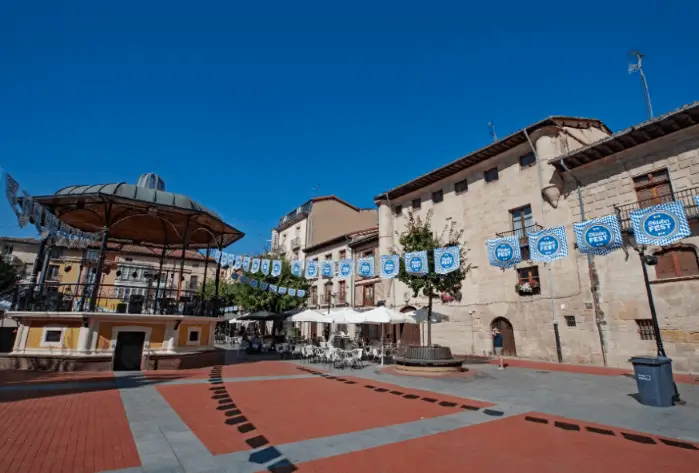
- Population: 36,622 inhabitants, according to INE 2025 data
- Gender split: roughly 50% women and 50% men
- Average age: around 45 years, the youngest of the larger towns in the province of Burgos
- Purchasing power: average, with an economy based on the aerospace industry, chemicals, the motor industry, agri-food and logistics
- Economic activity rate: around 52%, with a strong presence in manufacturing, transport, retail and services
- Relevance for advertising: an industrial town with a young working population and a constant flow between the factories, the town centre and nearby industrial estates
Miranda de Ebro is the second-largest town in the province of Burgos, with 36,622 inhabitants according to 2025 figures from Spain's National Statistics Institute (INE), and the fourth-largest industrial area in Castile and León, behind Valladolid, Burgos and Aranda de Duero. Its role as a logistics hub is its most defining feature: Bilbao, Burgos, Logroño and Vitoria are all within an 80-kilometre radius, with Pamplona and San Sebastián 130 kilometres away. The town is home to the headquarters of the aerospace group Aciturri (a supplier to Boeing, Airbus and Rolls-Royce), plants linked to Mercedes-Benz and Michelin, and a chemical, steel and agri-food industry that has been there since the mid-twentieth century.
Our coverage in Miranda de Ebro is made up entirely of bus shelters, spread between the town's bus stops and the approaches to the Los Ángeles and Ribabellosa neighbourhoods. They work especially well for car dealerships, vocational training, banking, telecoms and local shops. The locations are on Carretera de Logroño on its exit towards Los Ángeles, on Calle Lago, on Calle Ribabellosa next to the nursery, on Ronda del Ferrocarril next to the community centre and the Jardín de la Memoria building, at number 55 Calle Logroño, on several stretches of Carretera de Orón, on Camino de Fuentecaliente and on Calle Arenal.
Bus shelters in Miranda de Ebro
Bus shelters in Miranda de Ebro are the only format available in our local coverage and, with no established network of MUPIs or billboards, they play a central role as the static format of choice for local and regional advertisers. They work especially well for local campaigns: car dealerships, dental clinics, vocational training, travel agencies and specialist retailers. The workforce at the Aciturri, Mercedes-Benz and Michelin plants passes the same stops every day, which guarantees a high frequency of impact.
The main locations include Carretera de Logroño next to Calle Lago, the various stretches of Carretera de Logroño through the Los Ángeles neighbourhood, number 28 Calle Ribabellosa next to the nursery, number 105 Ronda del Ferrocarril opposite the Jardín de la Memoria building and next to the community centre, number 55 Calle Logroño, Carretera de Orón on its stretches at numbers 25, 33, 51 and 67, number 22 Camino de Fuentecaliente and number 115 Calle Arenal. Between them they cover practically the whole network of stops, with useful visibility during the commuter rush hour.
How booking outdoor advertising with Marco Visual works
Tell us what you’re looking for
If you’d rather choose yourself, our campaign planner (in Spanish) lets you pick the weeks and then browse the map or the list of sites, with filters by type of site, city, postcode or distance to a shop or point of interest. Bear in mind the booking cycles: many sites are sold by the week, but most 8x3 m billboards are booked in two-week periods or for 26 weeks, so they’re greyed out if you pick a single week. Click ‘Siguiente’ (Next) and you’ll see a campaign summary with the total price, printing and posting included: we take care of everything. You just enter your contact details and create the campaign.
Either way, you get a unique link to your campaign page, which you can share with your team: the sites you picked, the weeks, the price and the guides for preparing your artwork. You can check it whenever you like.
We confirm availability so you can book online
When everything is cleared, you can enter your billing details on that same page, pay by bank transfer and upload your artwork. Once you’ve paid, upload the transfer receipt so we can confirm the booking sooner.
Remember to send your artwork, following the guides, before the deadline shown on the proposal (usually 7 days before the start). We’ll email you at every step: artwork received and approved, payment received, sites confirmed.
Printing, posting and launch
These photos are usually ready 24 to 48 hours after the start; we’ll email you when they are.
When the campaign ends, you’ll see a notice on the campaign page and receive a satisfaction survey, with the option of leaving us a Google review. It helps us do better.
Frequently asked questions about outdoor advertising in Castile and León
How much does an outdoor advertising campaign cost in Castile and León?
As a rough guide, an outdoor advertising campaign in Castile and León costs between €1,000 and €2,500 for a fortnight on MUPIs in just one provincial capital, depending on the number of faces and the area. Bus shelters sit in similar price brackets per fortnight. Digital advertising sites are planned by the week, with several plays an hour. Ask us for a proposal with your objective and budget, and we will send you options to match. For billboards in Castile and León, the guide price is €76 to €160 per face per week (that is, €152 to €320 per fortnight), excluding VAT and poster printing, which is quoted separately; some sites are sold by the fortnight (2 weeks, 14 days) and others can only be booked for 6 months (26 weeks).
Which formats work best for a local business in Valladolid?
For a local business in Valladolid, the most cost-effective approach is usually to combine MUPIs in the centre and along the main shopping streets (Paseo de Zorrilla, Calle Santiago, Plaza España) with bus shelters in the neighbourhoods where your target audience is. If you have physical premises, adding a billboard or a digital screen near the VA-20 approach or the San Cristóbal or Argales industrial estates reinforces brand recognition on the commute to work.
How many advertising sites does Marco Visual have in Castile and León?
We work with around 700 advertising sites in Castile and León, mostly spread across León, Valladolid, Salamanca, Burgos, Ponferrada and Zamora, with additional presence in Miranda de Ebro and other towns. The network combines billboards (the majority), bus shelters, MUPIs, building wraps, digital sites, street thermometers and monopole billboards. The figure changes over the year as sites are added and withdrawn for technical reasons, so we confirm current availability when you ask for a proposal.
What is the minimum campaign length?
A fortnight (2 weeks, 14 days) is the usual minimum booking for MUPIs, bus shelters and billboards. Digital screens are booked by the week, with several plays an hour included in the package. Large-format building wraps usually start at one month, given the cost of production and fitting. If you need a shorter activation for a specific event, we look at it case by case. For billboards, some sites can only be booked for periods of 6 months (26 weeks).
Which parts of Castile and León get the most footfall and road traffic?
Road traffic is concentrated on the ring roads and approach roads into the four main provincial capitals: the VA-20 and VA-30 in Valladolid, the A-1 and N-120 exits in Burgos, the A-66 approaches to Salamanca and Zamora, and Avenida de Antibióticos and the A-66 in León. Footfall is concentrated in the historic centres (Calle Santiago in Valladolid, Salamanca's Plaza Mayor, Calle Vitoria in Burgos, Ordoño II in León) and along neighbourhood shopping streets with retailers such as Mercadona, Lidl and El Corte Inglés.
Do you have digital sites or only static ones?
We have both. Most of the inventory is static (billboards, bus shelters, MUPIs, building wraps, street thermometers), but we do have digital advertising sites (DOOH), mainly in Valladolid and, to a lesser extent, in Burgos. A digital screen lets you rotate several creatives an hour, target by time slot and adjust the message to the day of the week, which is very useful for campaigns with several promotions or events with a countdown.
What happens after I ask for a proposal?
After your request, we ask for your objective, city, approximate budget and dates. Within 24 to 48 hours we send you a proposal with the locations marked on a map, photos of each site, available dates and fixed prices. Once you approve it, we sign the contract, receive your artwork, run the technical checks, print and post. Posting usually takes between 5 and 10 calendar days, depending on volume.
Can you help with the creative design?
Yes. If you don't have a designer, we can prepare the artwork from your logo, colour palette and message. Our team knows the particulars of each format (safe areas, legibility at a distance, contrast with the urban surroundings), and that avoids typical mistakes such as text that is too small, backgrounds that blend into the city and calls to action that are hard to see.
Is outdoor advertising worth it compared with going digital-only?
Outdoor and digital advertising do different jobs. Digital turns intent into clicks, but it needs the brand to be in people's minds already. Outdoor builds that familiarity: when someone searches Google for a dentist or a car, the brand is already fixed in their mind because they have seen it a hundred times on the avenue they travel along every day. In Castile and León, where travel patterns are very regular and journeys around town are short, outdoor pays back the investment very well when combined with digital campaigns.
When is the best time of year to advertise in Castile and León?
There are three main windows. Holy Week (March or April) is a major draw in the nine cities whose celebrations are officially listed as of International Tourist Interest, led by Valladolid, Salamanca, León and Zamora. The rural and wine tourism season (May to October) lifts intercity traffic through Ribera del Duero, Rueda, Toro and Bierzo. And the festive season and the January sales (November to January) account for the bulk of spending in the provincial capitals. For sectors such as the motor trade and property, September and February tend to be the months with the strongest impact-to-investment ratio.
Give your brand more visibility with outdoor advertising
See our advertising sites for yourself, with their prices, locations and photos, and use the campaign planner
Still have questions, or would you like us to advise you and send you a proposal? Get in touch and we’ll send you a personalised quote for your outdoor advertising campaign.




What our clients say in Castile and León
Verified Google reviews from businesses that have already worked with Marco Visual.

Hemos quedado satisfechos con la campaña de publicidad que contratamos con Marco Visual para el Conservatorio Superior de Danza de Alicante (CSDA) durante las Hogueras. La campaña contó con cuatro mupis diferentes, cada uno dedicado a un estilo de danza, una iniciativa para dar visibilidad a nuestro conservatorio y acercar la riqueza y diversidad de la danza a la ciudadanía. Destacamos la profesionalidad, la atención recibida y la buena gestión de todo el proceso. Porque la danza también merece ocupar las calles y formar parte de la ciudad. ¡Gracias a Marco Visual por ayudarnos a llevar nuestro arte más allá de las aulas!
Original review in SpanishSee on Google 1 / 4

Hemos trabajamos con Marco Visual para la campaña de apertura de nuestra nueva clínica en Molina de Segura, y la experiencia ha sido positiva. Negociamos directamente con ellos, sin intermediarios: el trato es cercano y las respuestas, rápidas. Necesitábamos resolver ubicaciones, formatos y plazos con poco margen de tiempo, y flexibilidad para adaptar la propuesta a lo que necesitábamos. Recomendado
Original review in SpanishSee on Google

Ha sido nuestra primera experiencia en implementar un MUPI, pensábamos que sería algo engorroso en cuanto al proceso y verdaderamente nos hemos confundido. La atención de Alejandro desde el primer momento ha sido rápida, precisa en las indicaciones y nos ha facilitado todo. Ademas agregar que el sistema que tienen implementado online para el seguimiento ha sido muy práctico, sabes el status de la campaña en todo momento, repetiremos!
Original review in SpanishSee on Google

Nuestra experiencia ha sido muy positiva. Queremos destacar especialmente la profesionalidad, rapidez y atención recibida durante todo el proceso. El equipo ha demostrado en todo momento una excelente disposición y un trato cercano y profesional. Mención especial para Alejandro M., por su amabilidad, eficacia y atención constante. Ha sido un placer contar con su ayuda y profesionalidad. Sin duda, recomendamos sus servicios y agradecemos el trato recibido.
Original review in SpanishSee on Google

Hemos quedado muy satisfechos con la campaña de publicidad exterior realizada con Marco Visual. Desde el primer momento, el trato ha sido cercano y profesional, facilitando todo el proceso y resolviendo nuestras dudas con rapidez. La gestión de la campaña ha sido ágil y eficiente, y el seguimiento durante toda la ejecución nos ha transmitido confianza. La instalación y el mantenimiento de los soportes se han realizado correctamente, cumpliendo con lo acordado. Agradecemos especialmente la atención recibida y la buena comunicación del equipo. Ha sido una experiencia muy positiva y no dudaríamos en contar con Marco Visual para futuras campañas.
Original review in SpanishSee on Google 1 / 2

La campaña que hemos hecho de publicidad exterior ha sido un éxito. La comunicación con Alejandro ha sido lo mejor, muy profesional y atento en todo momento con todos los detalles de la campaña. Repetiremos sin duda en unos meses.
Original review in Spanish See on Google
Explore other advertising formats at Marco Visual


