Outdoor advertising in Andalusia: billboards, MUPIs and screens in 18 cities

Prices in Andalusia · per face per week
- 8x3 m billboardsfrom €78
- MUPIs (6-sheet)from €92
- Bus sheltersfrom €112
Prices exclude VAT · printing and posting from €35 per face
Outdoor advertising sites in Andalusia
Andalusia is home to several thousand outdoor advertising sites in our network: billboards on motorway approaches, MUPI street panels (six-sheet size) in town centres, bus shelters along bus routes, building wraps, kiosks and digital screens spread across the eight provinces. The region has around 8,680,000 inhabitants according to the 2025 municipal register figures released by Spain's National Statistics Institute (INE), which makes it the most populous region in Spain, and it is organised around three major road corridors: the A-4 between Madrid and Cádiz, the A-92, which stitches the interior together from Seville to Almería, and the A-7 Mediterranean motorway along the Costa del Sol. Add to that Málaga-Costa del Sol and Seville airports, the port of Algeciras (Spain's busiest for container traffic) and the tourist corridor running from Almería to Huelva, factors that multiply road traffic and turn avenues, roundabouts and industrial estate access roads into high-frequency advertising points all year round.
Our coverage is especially dense in the city of Málaga, where we have several hundred sites, with a very strong weighting towards digital screens in the centre and bus shelters on Avenida de Andalucía and Avenida de la Aurora. Seville adds another large block of locations, with a long-established network of advertising kiosks in areas such as Alameda de Hércules, Plaza de la Magdalena and around the big hospitals, plus a full catalogue of billboards on the SE-30 approaches and at the industrial estates of Carretera Amarilla and El Pino. Marbella, Torremolinos, El Puerto de Santa María, Almería, El Ejido, Roquetas de Mar, Chiclana de la Frontera, Sanlúcar de Barrameda, Alcalá de Guadaíra and Dos Hermanas make up the bulk of the network, with a further presence in coastal towns such as Almuñécar, Vera, Mojácar, Garrucha, Isla Cristina, Lepe, Cartaya and Ayamonte. Marco Visual also runs kiosks on distinctive squares in Seville and street thermometers on Avenida de Madrid in Jaén, two less common formats that strengthen local awareness.
The Andalusian calendar offers advertisers some very powerful sales windows. The Holy Week (Semana Santa) celebrations in Seville and Málaga, both officially listed as of International Tourist Interest, bring in millions between March and April; Seville's Feria de Abril (April fair) and the Feria del Caballo (horse fair) in Jerez, which is also of International Tourist Interest, drive hospitality, fashion and the motor trade in late spring; summer packs in Huelva's Fiestas Colombinas, the Feria de Málaga in August, the Feria de Almería in honour of the Virgen del Mar and the Carreras de Caballos (horse races) in Sanlúcar; and autumn closes with Seville's Bienal de Flamenco, held every two years. Alongside this festive calendar there are two industrial hubs that carry real weight in their own right: Seville's aerospace cluster around Aerópolis and the intensive agri-food industry of Almería and Huelva, which create very clear peaks in demand for B2B and retail campaigns. Knowing these windows means you can plan each fortnight for the moment of greatest impact.
In our campaign planner you can check the price of MUPIs and every other advertising site, real photos, the exact location, Google Street View, descriptions and nearby points of interest, dimensions, print format… Best of all, you can filter the sites and pick the ones you want, then plan and book the outdoor advertising campaign
Pages in Spanish
Looking for another area?
Explore the different outdoor advertising formats in Andalusia
Marco Visual is an online platform for managing and booking campaigns on outdoor advertising sites. Our website gives you all the information you need to plan and book an outdoor campaign. Get to know each site and its features: price, real photos, format, minimum booking period and other terms.
Outdoor sites are ideal for promoting events, with room on the ad for the venue, who is taking part and every other detail that matters. They are also widely used for branding, so that people start seeing a brand away from the screen and remember it better. Other common uses are launching offers (Black Friday, the sales, Christmas…) and opening new shops.
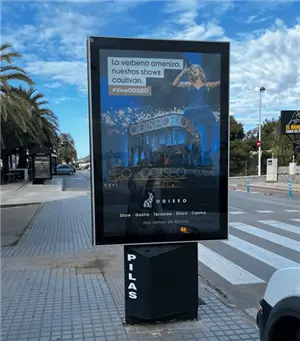
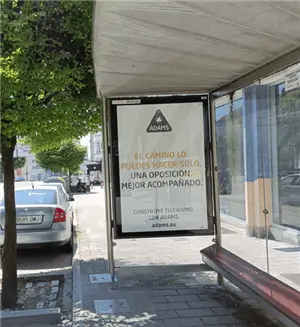
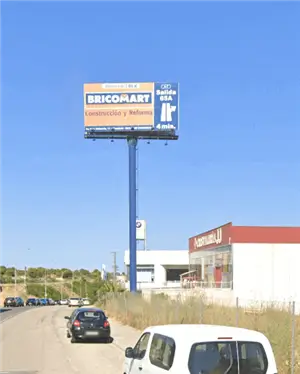
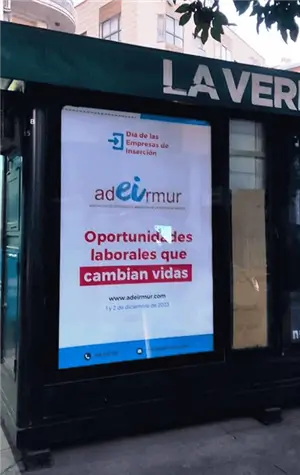
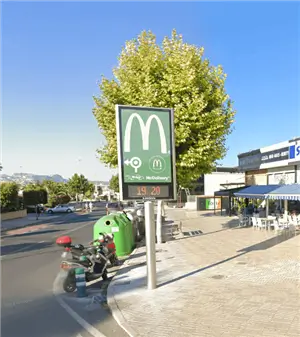
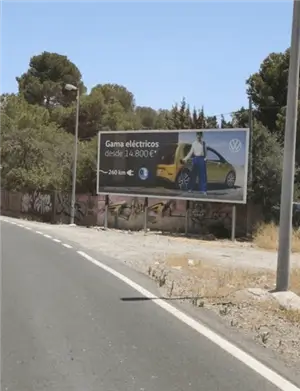
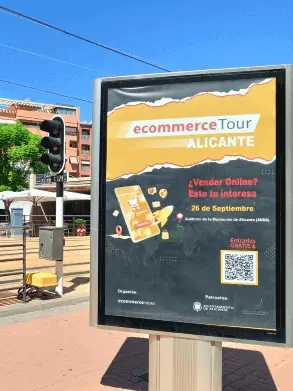
Here are some of our campaigns on different outdoor advertising sites:

The benefits of outdoor advertising in Andalusia
Spain's most populous region, Andalusia is also the country's third-largest economy by GDP, at close to €200,000 million and around 13% of the national total, according to CaixaBank Research. That means a huge domestic market, spread across eight provinces with very different profiles: Seville as an administrative and aerospace metropolis, the Costa del Sol with its premium tourist spending, the fruit-and-vegetable belt of Almería and Huelva, the industrial hubs around the Bay of Cádiz and Algeciras, Granada with its university and heritage, and Córdoba with its tourism and agri-food industry. For an SME with a physical product (retail, motor trade, food, clinics, training), outdoor advertising is one of the few channels that can cover both daily commuting between metropolitan municipalities and the flow of visitors passing through. On cost per thousand impacts on local consumers, few media can match a well-placed site on a high-frequency route, and the daily repetition of the journey reinforces brand recall week after week.
Consumer spending in Andalusia follows clear patterns: retail grew strongly in 2024, according to the retail trade index of Spain's National Statistics Institute (INE), and new car registrations are rising along the Seville–Málaga corridor. Tourist seasonality sets the pace across much of the network, with overnight stays on the rise, a strong share of domestic visitors (less reliant on foreign visitors than the Spanish average) and very concentrated peaks around Holy Week, May, July and August. This matters for your planning: a MUPI campaign in Almuñécar or a bus shelter campaign in Torremolinos delivers far more between June and September, while billboards on the approaches to industrial estates in Seville, Córdoba and Dos Hermanas perform steadily all year round, because they work on commuter traffic, not tourist traffic. Knowing which format serves each objective (sustained awareness versus a tactical seasonal campaign) is the difference between spend that gets diluted and spend that concentrates impacts where your customers really are.
Sectors where outdoor works well in Andalusia include car dealerships (with ads on the approach roads to industrial estates such as Carretera Amarilla, La Huertecilla and Los Olivares), food retail on city avenues with recognisable bus stops, dental clinics and medical centres using MUPIs in residential areas, formal education providers and tuition centres before the start of the academic year, estate agents on the Costa del Sol and the Costa de la Luz, seasonal hospitality, as well as cultural events such as fairs and festivals. In parallel, the digital screens in Málaga, Seville and Huelva let several advertisers rotate different creatives by time of day, and they have become the format of choice for brands that combine awareness with tactical campaigns. Backing outdoor with a complementary channel, such as local radio or geotargeted social media, is what is working best for Andalusian SMEs, because it adds the physical reach of the site to the fine targeting of the digital environment.
In your marketing and communications strategy, outdoor advertising sites are essential for reaching your audience. They are an excellent way to catch the eye of people out and about in town, thanks to well-chosen locations and high visibility.
- Eye-catching visual advertising with 24/7 visibility in high-traffic areas.
- Strategic locations on the city’s main streets and avenues.
- Wide coverage: a presence in Spain’s main cities and regions.
- High visibility in carefully chosen spots for the greatest impact.
- Geographic targeting: choose the areas and neighbourhoods where your target audience is.
- Greater brand awareness and trust.
- Flexibility for short and long campaigns.
- A non-intrusive medium that helps the message stick when combined with social media campaigns.
The area and town links below go to pages in Spanish.
Outdoor advertising in Málaga
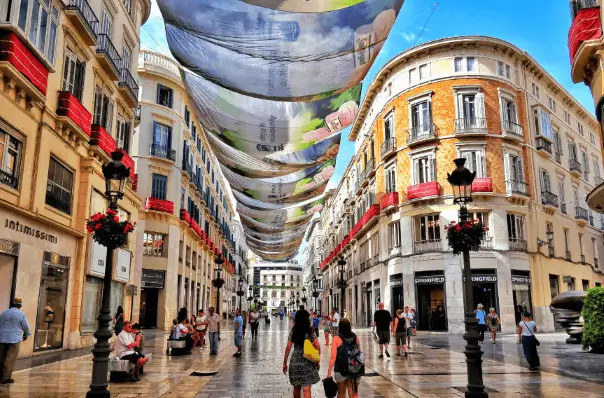
- Population: 597,173 inhabitants, according to INE 2025 data
- Gender split: roughly 52% women and 48% men
- Average age: around 43
- Purchasing power: above average in areas such as Pedregalejo, Limonar and Cerrado de Calderón; average in the residential neighbourhoods of Teatinos and Carretera de Cádiz; with an economic base in tourism, services, technology and port logistics
- Economic activity rate: around 58%, with a strong presence in hospitality, retail, healthcare, higher education, the tech sector and construction
- Relevance for advertising: the pedestrianised historic centre multiplies the impact of digital sites, and the Aurora and Andalucía avenues channel daily commuting into the centre
Málaga city is the sixth largest in Spain by population and an unusual case on the Andalusian map, with around 597,000 inhabitants according to the 2025 municipal register figures released by Spain's National Statistics Institute (INE). It combines a commercial port, an international airport, a technology hub (the Parque Tecnológico de Andalucía in Campanillas) and a fully pedestrianised historic centre that lives off cultural tourism all year round, backed by museums such as the Picasso, the Centre Pompidou and the Colección del Museo Ruso. Its Holy Week has been officially listed as of International Tourist Interest, while the Feria de Málaga in August, which splits into a daytime fair in the centre and a night-time fair at the Cortijo de Torres fairground, draws visitor numbers comparable only to Seville's. Footfall is spread across the old town (Calle Larios, Soho, Muelle Uno), the residential neighbourhoods to the west (Teatinos, Carretera de Cádiz) and the A-7 approaches from the eastern Costa del Sol.
Málaga is where our network is densest in the whole of Andalusia, with several hundred locations spread across the city and its metropolitan area. Digital screens are concentrated in the historic centre and in areas such as Plaza de la Merced, Calle Echegaray, Pasaje Mitjana and Calle Beatas, well suited to premium sectors and specialist retail. Bus shelters line Avenida de Andalucía, Avenida de la Aurora, Avenida de las Américas and the area around the bus station. MUPIs cover routes such as Puerta del Mar, Armengual de la Mota, Paseo del Parque and Avenida Imperio Argentina. Billboards sit on the approaches along Avenida Velázquez, at the La Huertecilla, Guadalhorce and Villa Rosa industrial estates and on the ring road towards Torremolinos. Advertising kiosks round off the network on Paseo de los Tilos, Paseo del Parque and Plaza de la Marina, points with constant, heavy footfall.
Digital screens in Málaga
Digital is the dominant format in the city of Málaga and the one that performs best for sectors that change their creative often: fashion, restaurants, events, nightlife and seasonal campaigns. Its concentration in the historic centre means you can reach affluent urban audiences and a very high volume of cultural tourism all year round, with a slow, strolling pace that makes the message easier to read.
The main digital locations are at Plaza de la Merced 14; Pasaje Mitjana 1; Calle Beatas 3; Calle Echegaray 9; Calle José Denis Belgrano, numbers 3 and 19; Pasaje Guimbarda; Calle Cañón 5; Paseo Antonio Machado 78; Paseo Marítimo el Pedregal 19; Calle Frank Kafka 8; Calle Andrés Pérez 3; and Calle Duque de la Victoria 6. They cover almost the entire pedestrian Larios axis and the Soho and La Trinidad neighbourhoods.
MUPIs in Málaga
MUPIs work especially well in the city of Málaga for retail, training, healthcare and events campaigns, thanks to their legible size and their closeness to bus stops and shopping areas. The visual clutter in the centre makes it advisable to pair them with bus shelters on the radial avenues to get useful coverage of urban commuting.
The leading MUPI locations are on Calle Puerta del Mar, on the corner of Calle Atarazanas; Calle Armengual de la Mota 3; Calle La Hoz, opposite Calle Lasso de la Vega; Avenida Imperio Argentina 5; Calle Pacífico, opposite the Diputación (provincial council) building; Calle Martínez Maldonado 63, on the corner of Calle Monseñor Carrillo Rubio; Calle Virgen de la Esperanza, on the corner of Avenida Obispo Herrera Oria; and Paseo del Parque, on the corner of Cortina del Muelle. They cover the historic centre, Cruz de Humilladero, Carretera de Cádiz and the neighbourhoods west of the Guadalmedina river.
Bus shelters in Málaga
For broad-coverage campaigns in the city of Málaga, bus shelters are the most efficient format, because they cover the public transport corridors linking residential neighbourhoods with the centre and the university area. They work very well for financial institutions, telecoms, training providers and public-sector campaigns that need a daily presence in front of bus users.
The main locations are spread across Avenida de Andalucía, numbers 10, 11 and 20; Avenida de la Aurora, numbers 8, 12, 34, 43 and 52; Callejón del Perchel 3; Avenida de las Américas, numbers 8 and 11; Calle Cuarteles 48; and the bus station (platform 39 I). Together they form a complete network between Cruz de Humilladero, El Perchel and the Aurora corridor, which is the main pedestrian route into the centre from the west.
Billboards in Málaga
Billboards in Málaga reach two different audiences: commuter traffic to and from the industrial estates in the west (Guadalhorce, Villa Rosa, La Huertecilla, Valdicio) and through traffic from the Costa del Sol and the airport. They are the format of choice for car dealerships, wholesalers, industrial suppliers and logistics centres.
Notable sites include Avenida Velázquez 296, at the Makro car park and the Villa Rosa industrial estate; Calle Boccherini 1, on the corner of Calle Albán Berg, at the exit of the Carrefour Los Patios tunnel; Calle Hermán Hesse, opposite the hotel and the ITV vehicle-testing station, on the Guadalhorce industrial estate; Carretera de Cártama next to the petrol station, on the La Huertecilla industrial estate; Calle Almería 18, on the corner of Calle Pérez Zúñiga, heading towards Paseo Marítimo and the port; Carretera de Coín-Alhaurín, next to the El Álamo industrial estate; and Avenida Isaac Peral next to Avenida Velázquez, heading for the Torremolinos exit and the Valdicio industrial estate.
Advertising kiosks in Málaga
Málaga's advertising kiosks provide visibility in pedestrian areas and squares that are in constant use throughout the day, with local audiences. They are an attractive option for clinics, training providers, accountancy and admin agencies and neighbourhood shops looking for a recurring presence rather than mass coverage.
The most relevant locations are Paseo de los Tilos 37; Camino San Rafael, on the corner of Calle Mahler; Plaza de la Marina 4 (Alameda Principal, on the corner of Calle Ancla); Paseo Reding (Paseo de Sancha, next to Hospital Noble); Paseo del Parque, opposite the Rectorado (the university's main administrative building); Avenida Manuel Agustín Heredia, numbers 12 and 16 (Paseo del Parque-Antonio Machado); Paseo Marítimo Ciudad de Melilla 12; and Calle Salitre, on the corner of Pasillo de Matadero, in Plaza Fortuny.
Outdoor advertising in Seville
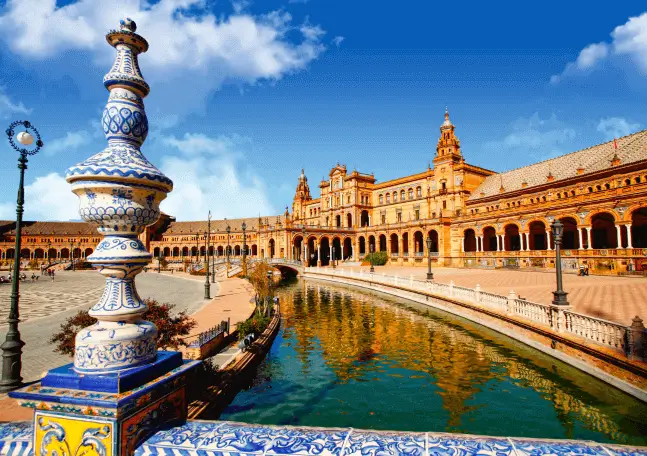
- Population: 700,324 inhabitants, according to INE 2025 data
- Gender split: roughly 53% women and 47% men
- Average age: around 43
- Purchasing power: above average in areas such as Los Remedios, Nervión, La Buhaira and the northern part of Triana; average in districts such as Macarena, Cerro-Amate and Sevilla Este; with an economic base in public administration, healthcare, aerospace, professional services and tourism
- Economic activity rate: around 58%, with heavy weighting towards public administration, healthcare, retail, hospitality, the aerospace industry and professional services
- Relevance for advertising: two very strong commercial peaks at Holy Week and the Feria de Abril, with exceptional flows of domestic and international visitors
Seville is the economic and administrative capital of Andalusia and accounts for close to 24% of regional GDP. With roughly 690,000 inhabitants according to the 2025 municipal register figures released by Spain's National Statistics Institute (INE), the city is the service centre for a province of almost two million people, within a metropolitan area of more than one and a half million. It has three very clearly defined economic hubs: the Aerópolis aerospace cluster (in La Rinconada and San José de la Rinconada), where Airbus A400M aircraft are assembled; the logistics corridor formed by the industrial estates of Carretera Amarilla and El Pino; and the big Virgen del Rocío and Virgen Macarena hospitals. Its Holy Week and the Feria de Abril, both officially listed as of International Tourist Interest, are the two most powerful sales windows in the Spanish calendar and send spending on hospitality, fashion and the motor trade soaring between March and May, with visitors drawn from both domestic and international tourism.
Seville accounts for several hundred of our sites, with a very well-balanced mix: billboards on the SE-30 approaches and on the industrial estates to the east, a long-established network of advertising kiosks on squares and at markets in the old town, bus shelters connecting Pino Montano with Sevilla Este and La Cartuja, MUPIs and a growing range of digital screens in areas such as Avenida de la Innovación and La Buhaira. Billboards are concentrated on the industrial estates of Carretera Amarilla, El Pino and Torneo, and on the airport approach roads along Avenida de los Garrochistas. The kiosks cover squares as recognisable as Alameda de Hércules, Plaza de San Lorenzo, Plaza de la Magdalena, Calle Reyes Católicos and Calle Feria, as well as the approaches to the Virgen del Rocío and Virgen Macarena hospitals. It is a network designed both for mass-coverage campaigns and for local impacts in specific neighbourhoods.
Billboards in Seville
Seville's billboards line the corridors on and off the SE-30 and work three very distinct types of traffic: daily commuting towards the metropolitan area (Dos Hermanas, Mairena del Aljarafe, Alcalá de Guadaíra), the flow from the airport and the A-4 into the centre, and internal traffic between Sevilla Este and the industrial estates to the north. It is the format most used by car dealerships, wholesale distribution, the logistics sector and construction.
Notable sites include Calle Jerusalén, on the corner of Calle Tesalónica, heading towards Avenida de El Greco and the Promisa industrial estate; Calle Almendralejo, facing Calle Augusto Peyré; Calle Secoya, on the corner of Calle Almendralejo, next to the Zona Este shopping centre; Avenida Garrochistas, on the corner of Calle Agricultores, towards the airport and Ronda Super Norte; Avenida San Jerónimo, at the roundabout with Avenida Astronomía, next to the Parque Empresarial Torneo; Calle Doctor Miguel Ríos Sarmiento, next to the Palacio de Congresos conference centre; Calle Rafael Beca Mateos, heading for the industrial estate at Carretera Amarilla; and the SE-8028, at the roundabout with Avenida Parsi, on the El Pino industrial estate.
Advertising kiosks in Seville
Seville has the most extensive advertising kiosk network of anywhere we operate in Andalusia, with a presence on squares, at neighbourhood markets, at hospital entrances and in pedestrian areas of the historic centre. They work very well for local awareness campaigns and for sectors such as food, banking, telecoms and public services.
Our leading locations are on Alameda de Hércules; Calle Feria, on the corner of Calle Correduría and on the corner of Calle Bécquer; Plaza San Lorenzo; Plaza de la Magdalena (Quiosco Flores); Calle Reyes Católicos 3; Avenida Ingeniero La Cierva, on the corner of Calle Gavilanes; Calle Amor 38, in Parque Amate; Calle Jerusalén, opposite the market and the San Pablo industrial estate; Hospital Virgen del Rocío, maternity wing; Calle San Juan Bosco, on the corner of Calle Jabugo; Plaza Antonio Martelo, on the corner of Calle Arroyo; Calle Don Fadrique 21-23; and Avenida Paseo de Cristina, opposite McDonald's.
Bus shelters in Seville
Bus shelters in Seville run along the public transport corridors between the big residential neighbourhoods in the north (Pino Montano, La Macarena), Sevilla Este and the Cartuja-Triana area. They are the format that best combines coverage and frequency for campaigns aimed at families and neighbourhood audiences.
Our principal locations are Avenida San Juan de la Cruz 24, opposite Plaza Las Mora; Ronda Pío XII, on the corner of Calle Madreselva; Calle Estrella Canopus 27; Calle Cataluña, opposite number 26; Avenida Emilio Lemos, on the corner of Calle Indonesia; Calle Inca Garcilaso, on the corner of Calle de los Descubrimientos and on the corner of Calle Francisco Montesinos; Calle Américo Vespucio, on the corner of Calle Pitágora; Calle Juan Bautista Muñoz, opposite the pavilion on Plaza América; Calle Pino Montano, on the corner of Calle Rey Melchor and on the corner of Calle Parque Miraflores; Avenida Barzola 48, on the corner of Calle Cantalobos; and Calle Cortijo de las Casillas 9, on Avenida Pino Montano.
Digital screens in Seville
Seville's digital screens offer rotation, time-of-day targeting and creative flexibility, and they are concentrated around offices, shopping centres and areas with mixed pedestrian and road traffic. They are the format of choice for brands that want to keep up a constant presence with several creatives at once.
Highlights include Calle Alameda de Hércules 93; Calle Secoya 5; Avenida de la Ciudad Jardín 5; Avenida de la Innovación 1; Pasaje Chinitas 10; Calle Juan Pablos 15; Calle Administrador Gutiérrez Anaya, numbers 4 and 13; Calle Puerta de la Carne 6; Calle Compañía 1; Calle Betis 54; Calle Albareda 16; and Calle Secoya 7, in the Lux building.
MUPIs in Seville
Across Seville, MUPIs cover residential and shopping streets with steady footfall, and they are a good option for campaigns that want to back up a digital site or need a presence in specific neighbourhoods without investing in full bus shelter networks.
Their main locations are Calle Castilla y León 237; Avenida del Deporte 12; Calle Nivel 10; Calle Esperanza de Triana 8; and Avenida La Presa 24. They cover Seville's Carretera Amarilla industrial area, Triana, Sevilla Este and the approaches to the Bermejales neighbourhood.
Outdoor advertising in Marbella
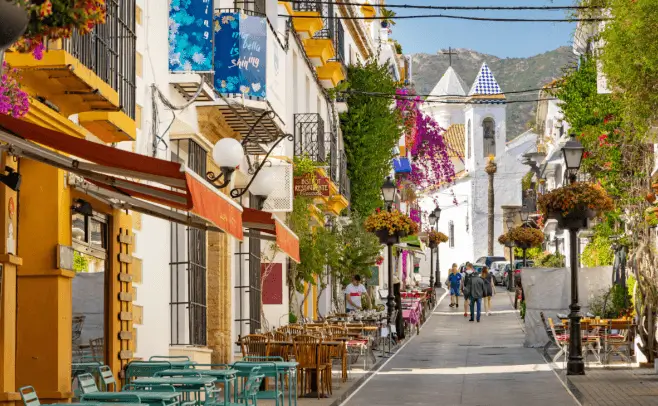
- Population: 159,786 inhabitants, according to INE 2025 data, the seventh-largest municipality in Andalusia by population
- Gender split: roughly 51% women and 49% men
- Average age: around 42, with a very high proportion of foreign residents
- Purchasing power: above average and high, especially in Puerto Banús, Guadalmina, Sierra Blanca and Nueva Andalucía; with an economy based on luxury tourism, hospitality, property and professional services
- Economic activity rate: around 60%, with a strong presence in hospitality, premium retail, property services, restaurants and construction
- Relevance for advertising: the N-340 corridor works as the only real urban thoroughfare and accounts for virtually all of the daily advertising impact on residents and tourists
Marbella is the seventh-largest city in Andalusia by population and one of the fastest-growing municipalities in the whole of Spain: it has 159,786 inhabitants according to 2025 figures released by Spain's National Statistics Institute (INE), and is home to residents of more than 150 nationalities. It is the economic centre of the western Costa del Sol and stretches along 27 kilometres of coastline, which makes it a polycentric city with several distinct hubs: the Puerto Banús-Nueva Andalucía axis is where luxury and premium dining are concentrated; the town centre is organised around Avenida Ricardo Soriano; the La Cañada shopping centre acts as the big retail magnet; and San Pedro Alcántara keeps a neighbourhood feel, with a fair of its own. Consumers have above-average to high purchasing power, with the highest household income on the Costa del Sol. The floating population exceeds 400,000 people in summer, and daily journeys run along the old N-340 and the A-7, the main points of advertising impact.
We have a couple of hundred sites in Marbella, clearly dominated by bus shelters and MUPIs, plus digital screens and backlit Jet panels. The bus shelters follow the corridor formed by the N-340 and Avenida Ricardo Soriano (the main entrance to the town centre), passing through Puerto Banús, San Pedro Alcántara and Guadalmina, with stops on Avenida de las Naciones Unidas (Cristamar shopping centre) and Avenida Jacinto Benavente. MUPIs cover coastal residential estates such as Pinomar, El Mirador and the Haza del Perro area, as well as Avenida Antonio Belón, Avenida Arias de Velasco and the back of the Palacio de Ferias y Congresos. Digital screens are concentrated on Avenida Ricardo Soriano and Avenida Ramón y Cajal, routes with a constant flow between the town centre and the exit towards Cádiz. The mix is a particularly good fit for fashion and dining, for private healthcare, and for premium cars and luxury property.
Bus shelters in Marbella
The dominant format in Marbella is the bus shelter, because shelters cover the N-340 and Avenida Ricardo Soriano, which carry practically all journeys between the centre, San Pedro Alcántara, Puerto Banús and Guadalmina. Shelters work very well for estate agents, luxury brands, restaurants, cosmetic clinics and tour operators.
Prominent sites include Avenida Ricardo Soriano, at Plaza Monseñor Bocanegra and next to Nuestra Señora de la Gracia; Avenida de las Naciones Unidas, at the Cristamar shopping centre; Avenida Jacinto Benavente 7 (AMI building); the N-340 at km 170 (Guadalmina, heading for Marbella) and km 174.500 (opposite Puerto Banús); the old N-340 heading for Málaga (at Marina Auto, and between Lidl and Burger King); Avenida General Domínguez, on the corner of Calle Rodrigo de Triana; the N-340 heading for Cádiz, at El Lido (km 191) and Torre Real; and Avenida Miguel de Cervantes, on the corner of Calle Rosalía de Castro, in Nueva Andalucía.
MUPIs in Marbella
Marbella's MUPIs are used to strengthen coverage of residential estates and areas with less road traffic but high value per resident. They are a good option for medical services, training, gyms, premium food and neighbourhood shops in areas such as Las Albarizas, Río Real or the town centre.
The leading sites are Calle Vélez, on the Pinomar residential estate (the A-7 road, km 187.2); Calle Algarrobo, on the El Mirador residential estate; Calle Haza del Perro; Camino Acevedo; Avenida General Domínguez, on the corner of Calle Vicente Ibáñez; Avenida Jacinto Benavente, on the corner of Marqués de Linares; the old N-340, at the children's playground; Calle Ribera, on the corner of Avenida de Julio Iglesias; Avenida Arias de Velasco, on the corner of Calle San Antonio and on the corner of Calle Serenata; Avenida Antonio Belón, on the corner of Calle Finlandia; and Calle Roy Boston, behind the Palacio de Ferias y Congresos.
Digital screens in Marbella
In Marbella, digital screens are the most efficient format for premium sectors that need to rotate creatives: watches, jewellery, cosmetics, upmarket cars, events. Their location on Avenida Ricardo Soriano and Avenida Ramón y Cajal puts the message on the busiest corridor in the municipality.
Standout locations include Carretera de Ojén, at the La Cañada shopping centre; Avenida Ricardo Soriano, numbers 4 (opposite Primor), 26 and 29 (Nuestra Señora de la Gracia, next to Unicaja); Avenida Julio Iglesias 4 (next to the Satse apartments) and 9 (next to Fridays); Avenida Ramón y Cajal, opposite number 5 (Huerta Chica) and number 21 (El Fuerte, Berrocal building); Avenida Julio Iglesias, on the corner of Calle José Saramago, on Plaza Antonio Banderas; Paseo Marítimo, on the corner of Calle Faro; and Calle Rafaela Aparicio, on the corner of Avenida Duque de Ahumada.
Outdoor advertising in San Pedro Alcántara
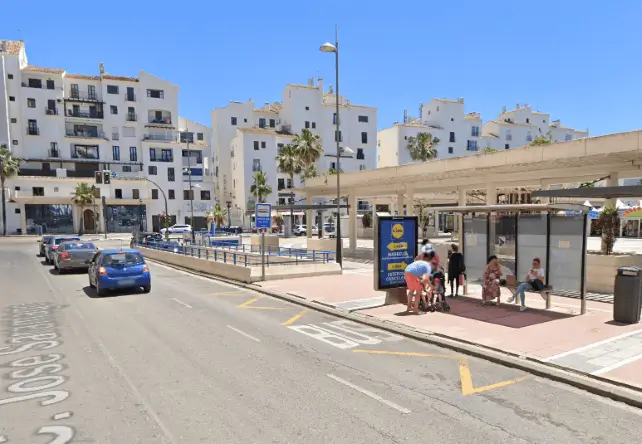
- Population: around 35,000 inhabitants, a town with its own identity within the municipality of Marbella
- Purchasing power: average net income of €13,384 per person in the municipality of Marbella, according to the 2023 INE atlas, with the affluent pockets of Guadalmina and Nueva Andalucía a few minutes away
- Economic activity: tourism, hospitality, local retail, construction and professional services
- Consumer profile: residents who do their shopping and errands in the town itself all twelve months of the year, unlike the fast-turnover tourism of Puerto Banús and the Milla de Oro
- Local calendar: the Feria de San Pedro de Alcántara, in October, is the big event of the year, with Carnival, Holy Week, the Virgen del Carmen festivities in July, the Noche de San Juan (midsummer night) and the back-to-school period as secondary peaks
- Relevance for advertising: the entire inventory fits within less than one square kilometre of postcode 29670, so a short campaign covers the whole town with no wastage
San Pedro Alcántara is a town within the municipality of Marbella, with around 35,000 inhabitants and an identity of its own: it was founded in 1860 as the Colonia Agrícola de San Pedro Alcántara (an agricultural settlement) and still has the Guadaiza sugar mill on its eastern edge. Its appeal for outdoor advertising is precisely what sets it apart from the rest of the municipality. While Puerto Banús and the Milla de Oro (Golden Mile) live off a tourist flow that turns over every fortnight, San Pedro has pedestrian-scale streets, a market and schools, and local shops that are open all twelve months of the year, so week-on-week repetition in front of the same residents is real rather than seasonal. Average net income per person in the municipality of Marbella is €13,384, according to the 2023 household income distribution atlas from Spain's National Statistics Institute (INE), and on top of that resident base comes the pocket of high purchasing power in Guadalmina and Nueva Andalucía, which are a few minutes away and routinely use the shops and services of the town itself.
Marco Visual's inventory in San Pedro Alcántara is made up of street furniture and fits entirely into a rectangle of less than one square kilometre, within postcode 29670: six MUPIs with nine faces and five bus shelters with eight faces, all at €126 per face per week and bookable from a single week. The MUPIs stand at pavement level on Calle Marqués del Duero at Calle del Pozo, on Calle Revilla where it crosses Marqués del Duero and Calle 19 de Octubre, on Calle Linda Vista, on Avenida de la Constitución at Calle Toledo and on Avenida de Salamanca on the way to Guadalmina. The bus shelters are on Avenida Luis Braille next to the taxi rank, Calle Doctor Esteban San Mateo opposite the MASKOM supermarket, Avenida Oriental on the corner of Calle Coín, Avenida de la Constitución and Avenida Gustavo Adolfo Bécquer next to the school. The poster measures 172 x 117 cm in both formats, so a mixed campaign needs only a single creative.
Bus shelters in San Pedro Alcántara
The bus shelters in San Pedro Alcántara are five stops with eight faces, spread along the routes the local bus runs through the town. Of the two formats here, this is the one with the longest dwell time, because the message is read during the minutes spent waiting rather than in passing, and it suits clinics, tuition centres, local shops, hospitality and professional services in the town itself.
They are at Avenida Luis Braille 34, next to the taxi rank and the NH hotel; on Calle Doctor Esteban San Mateo at Pasaje Torremolinos, opposite the MASKOM supermarket; on Avenida Oriental, on the corner of Calle Coín; on Avenida de la Constitución, opposite number 32, facing towards Nueva Andalucía; and on Avenida Gustavo Adolfo Bécquer, next to the school. The rate is €126 per face per week, and they can be booked from a single week.
MUPIs in San Pedro Alcántara
The MUPIs in San Pedro Alcántara are six sites with nine faces at pavement level in the town's main shopping area. They back up the bus shelter network: they cover the walking route from the market to the boulevard and the shopping streets, and they share the same poster format as the shelters, so one creative works on both formats.
The sites are on Calle Marqués del Duero at Calle del Pozo, on Calle Revilla where it crosses Marqués del Duero and Calle 19 de Octubre, on Calle Linda Vista, on Avenida de la Constitución at Calle Toledo and on Avenida de Salamanca at Avenida de Burgos, heading towards Cádiz and Guadalmina. The rate is the same as for the bus shelters: €126 per face per week.
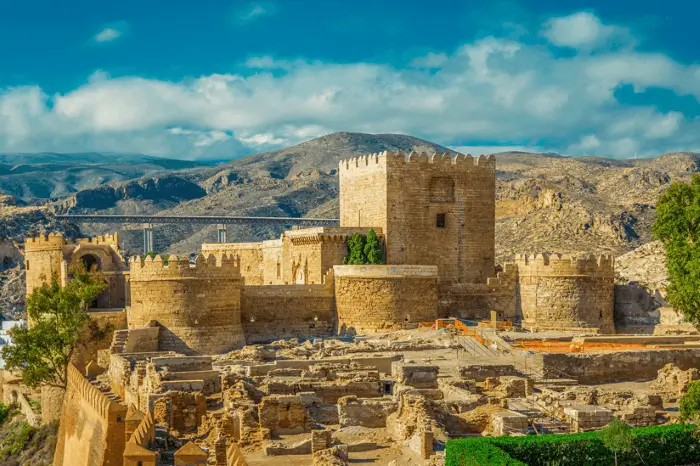
Outdoor advertising in Almería
- Population: 204,772 inhabitants, according to INE 2025 data
- Gender split: roughly 50% women and 50% men
- Average age: around 41
- Purchasing power: average, with an economy based on intensive farming, wholesale fruit and vegetable trading, public services, tourism and fishing
- Economic activity rate: around 58%, with heavy weighting towards farming, distribution, construction, retail and public administration
- Relevance for advertising: because the city is the natural way out of the Poniente, the approaches via Avenida del Mediterráneo and the airport motorway are must-have positions for regional campaigns
Almería city is the sixth largest in Andalusia by population, with around 205,000 inhabitants according to 2025 data released by Spain's National Statistics Institute (INE), and the natural hub of a province with two very different economic poles: intensive farming in the Poniente to the west (El Ejido, Roquetas, La Mojonera, Vícar) and tourism and fishing in the Levante to the east (Mojácar, Vera, Garrucha). The commercial port, the army base and the University of Almería shape daily journeys, together with the A-7 and the airport motorway. The city has made a name for itself as a location for films and television series, with the Tabernas desert as its big draw, and it remains the service and administrative centre for the whole province. The Feria de Almería, held in August in honour of the Virgen del Mar, is the municipality's main commercial peak of the year and draws crowds that multiply footfall in the centre and at the fairground.
Our network in the province comes close to two hundred locations. MUPIs and billboards dominate in the city itself. MUPIs cover Paseo de Almería, Calle Javier Sanz, Avenida Federico García Lorca, Puerta de Puchena and Avenida Doctor Gregorio Marañón. Billboards work the approaches via the airport motorway, Avenida Cabo de Gata (next to the university), Carretera Sierra Alhamilla on the La Celulosa industrial estate, Avenida Madre María Aznar and the roads into Retamar and the El Toyo area. The province also includes MUPIs in coastal outlying districts such as Aguadulce and Garrucha, plus networks in Adra, Vera and Mojácar. This inventory suits retail, the motor trade, hospitality on the coast and campaigns by the big horticultural cooperatives that dominate the local economy.
MUPIs in Almería
Almería's MUPIs are the ideal format for retail, training, healthcare and public-sector campaigns in the city centre, which has some of the busiest footfall in the whole province. They cover both the central shopping district and the approaches to the residential neighbourhoods to the east.
The leading MUPI locations are Paseo de Almería 4 (Banesto, Puerta); Calle Javier Sanz, on the corner of Calle Rueda López; Calle Belén, on the corner of Avenida Federico García Lorca, at the amphitheatre; Avenida Doctor Gregorio Marañón 58; Puerta de Puchena 1, side 1 of Paseo de Almería; and in coastal outlying districts such as Adra (Calle Natalio Rivas, Paseo Marítimo 64 and Bulevar de Puente del Río), Garrucha (Paseo del Malecón, Avenida del Puerto and the Acuario roundabout) and Aguadulce.
Billboards in Almería
Almería's billboards are the most effective format for reaching through traffic between the airport, the A-7 and the approach roads to the Poniente and the Levante. The audience is a mix of farm commuters, residents travelling into the city and passing tourists, especially in summer and during the Feria de Almería.
Notable sites include Avenida Madre María Aznar, at the Estrella Errante roundabout, heading towards Calle Níjar and Los Molinos; Avenida Cabo de Gata, at the AL-3200 roundabout, next to the university; Carretera Sierra Alhamilla 47, on the La Celulosa industrial estate; the airport motorway at km 3.500, next to McDonald's, heading towards Avenida Mare Nostrum; Carretera Níjar-La Cañada 13, opposite the CASI cooperative, heading for the El Puche industrial estate; Avenida Federico García Lorca, at the roundabout with Calle Belén; Carretera Granada, on the corner of Calle Los Cerezos, opposite the Porsche dealership, heading for the centre; and Avenida Cabo de Gata next to the desalination plant, heading towards Avenida del Mediterráneo.
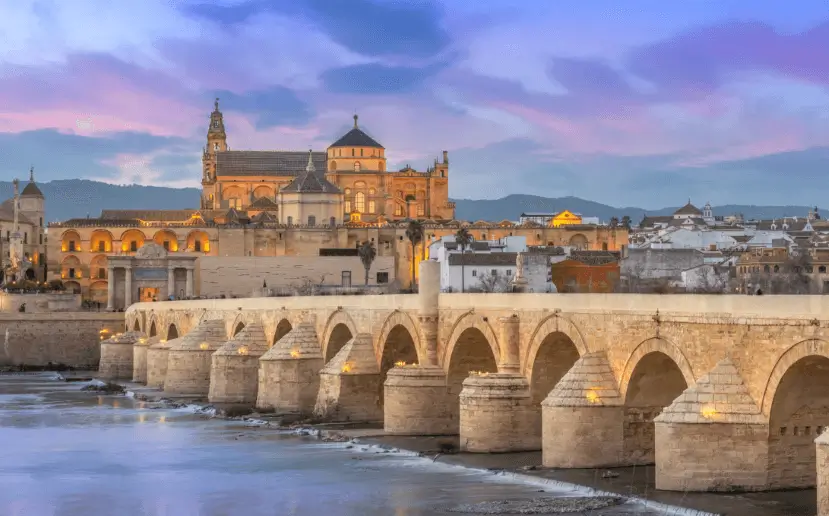
Outdoor advertising in Córdoba
- Population: 324,159 inhabitants, according to INE 2025 data
- Gender split: roughly 53% women and 47% men
- Average age: around 45
- Purchasing power: average, with an economy based on agri-food, jewellery, public healthcare, retail, cultural tourism and public administration
- Economic activity rate: around 56%, with a notable presence in healthcare, retail, agribusiness, hospitality and services
- Relevance for advertising: the approach to the AVE station on Vía Augusta is the point with the highest density of mixed resident and visitor audiences
Córdoba is the third-largest city in Andalusia by population, with 324,159 inhabitants according to 2025 data released by Spain's National Statistics Institute (INE), and the only inland provincial capital with real economic weight outside the tourist axis. Its economic profile combines agri-food (olive groves, Ibérico pork, Montilla-Moriles wine), jewellery, public healthcare centred on the Reina Sofía hospital and cultural tourism heavily concentrated on the Mezquita-Catedral (mosque-cathedral), a UNESCO World Heritage Site. The city has several powerful sales windows through the year: the Cruces de Mayo (flower-decked May crosses), the Festival de los Patios (courtyard festival, also recognised by UNESCO) and the Feria de Nuestra Señora de la Salud in May, which bring a strong flow of visitors and local spending. The Las Quemadas, Chinales, Los Pedroches and Carretera Amarilla industrial estates line the approaches to the A-4 and the N-432, where most of the billboards are concentrated, while the AVE high-speed train links the city with Madrid and Seville in under an hour.
Córdoba has more than a hundred of our locations, split between billboards, MUPIs, bus shelters and street thermometers. Billboards are located on the industrial estates to the east (Chinales, Los Pedroches, Las Quemadas) and on the approaches to the big hospitals and to shopping centres such as El Arcángel and Carrefour. MUPIs run along Avenida del Aeropuerto, Avenida Gran Capitán, Avenida de Cádiz, Bulevar Gran Capitán and the university area of the Rabanales campus and the Facultad de Filosofía y Letras (humanities faculty). Bus shelters are concentrated on Vía Augusta towards the AVE station, Ronda de los Tejares, Avenida de la República Argentina and Glorieta de la Media Luna. It is a combination that works well for urban retail, private healthcare, training and seasonal campaigns tied to May, the month with the city's biggest concentration of events.
Billboards in Córdoba
Córdoba's billboards work the traffic around the industrial estates to the east and the approaches to the Reina Sofía hospital and the shopping centres. It is the format of choice for car dealerships, industrial suppliers, food wholesalers and businesses linked to the Ibérico pork and olive oil sectors.
Prominent locations include Calle de los Artesanos, opposite the Día supermarket, at the entrance to Córdoba heading towards Avenida Carlos III, on the Los Pedroches industrial estate; Avenida Profesor Arnold, on the corner of Avenida de Chinales, next to Mercadona and the Esso petrol station, on the Chinales industrial estate; Calle Periodista Enrique Ortiz González, next to the El Arcángel shopping centre; Ronda de Poniente heading towards Avenida del Aeropuerto; Calle San Alberto Magno, at the exit from the Reina Sofía hospital heading towards Carretera del Aeropuerto and the Facultad de Ciencias de la Educación; Avenida Menéndez Pidal, at the Reina Sofía hospital car park; and Calle Compositor Rafael Castro, next to the El Arcángel shopping centre.
MUPIs in Córdoba
MUPIs in Córdoba combine urban visibility on shopping avenues with coverage of the university campus, where a young audience is concentrated, ideal for sectors such as training, leisure, banking, technology and restaurants. They are a natural complement to the bus shelters for building frequency in the centre and in the university area.
Our leading locations are at the Facultad de Filosofía y Letras (first door next to the courtyard and next to the copy shop); the Facultad de Medicina, next to the reprographics service; Calle Dolores Ibárruri, on the corner of Avenida María Montessori; Glorieta de Rafael Bernier, opposite Calle de los Picadores; Avenida Ramón Barba, on the corner of Calle Escultor Julio González; Avenida Gran Parque, on the corner of Calle Antonio Maura; Avenida del Aeropuerto, before Calle José María Pemán; Glorieta Académica García Moreno, on Avenida Arruzafilla; Glorieta de la Cruz Roja, on Avenida Conde Vallellano; Avenida de Cádiz, before Plaza Santa Teresa; Bulevar Gran Capitán; Plaza de Colón; Calle Campo Madre de Dios, on the corner of Avenida de la Fuensanta; and Avenida de Barcelona, on the corner of Calle Periodista García Prieto.
Bus shelters in Córdoba
Córdoba's bus shelters are located on the busiest corridors between the centre, the AVE station and the west of the city. They are the preferred format for campaigns in services, banking, telecoms, private healthcare and cultural events with a strong local impact.
Our principal locations are on Vía Augusta, in the centre and next to Calle Rafael Ortiz; Vía Augusta, at the AVE station for Seville; Glorieta de la Media Luna, by the Guadalquivir and on Avenida Conde Vallellano; Avenida de la República Argentina, by the Guadalquivir and at Medina Azahara; Avenida Ronda de los Tejares (on the corners of Calle Doce de Octubre, Calle Cruz Conde and Calle Gran Capitán); Paseo de los Verdiales 2, on Avenida Nuestra Señora de Begoña; and Calle Periodista Quesada Chacón 2, heading for Seville.
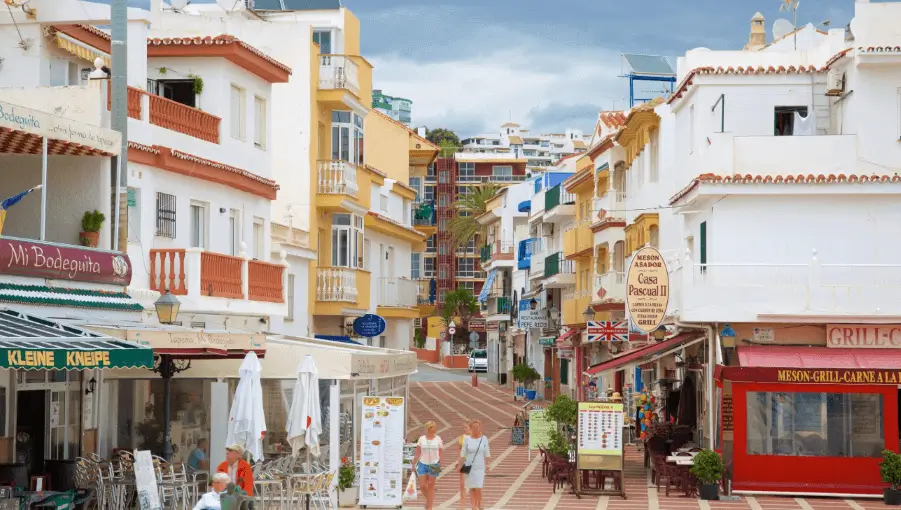
Outdoor advertising in Torremolinos
- Population: around 70,500 inhabitants, according to INE 2024 data
- Gender split: roughly 50% women and 50% men
- Average age: around 45, with a very high proportion of foreign residents
- Purchasing power: average, with above-average pockets in La Colina and Playamar; with an economic base in hospitality, restaurants, tourist retail and property services
- Economic activity rate: around 60%, dominated by hospitality, restaurants, retail and tourist services
- Relevance for advertising: two-way traffic between the airport, the city of Málaga and the rest of the Costa del Sol turns the MA-20 ring road into a year-round advertising artery
Torremolinos has more than 70,000 inhabitants on the municipal register, as reported by Spain's National Statistics Institute (INE), and remains one of the most cosmopolitan municipalities on the Costa del Sol, home to more than 125 nationalities. It works as a tourist gateway from Málaga airport, with a very high density of hospitality businesses along Paseo Marítimo, in La Carihuela and in Playamar. The town has also consolidated its profile as an LGBTQ+ tourism destination, with Torremolinos Pride officially recognised as an event of Tourist Interest in Andalusia, which opens up a very clear spring and summer sales window. Avenida Carlota Alessandri, Avenida Palma de Mallorca and Avenida Manuel Fraga Iribarne (formerly the Riviera) are the three main roads that shape the town's layout and, therefore, the points of greatest advertising impact. The proximity of Benalmádena and the commuter rail (Cercanías) link with the city of Málaga widen the real reach of any campaign.
Our Torremolinos inventory runs to more than a hundred sites, clearly dominated by bus shelters. The bus shelters follow the corridor from Avenida Palma de Mallorca through Avenida Carlota Alessandri to Avenida Manuel Fraga, with stops at recognisable landmarks such as the Hotel Pez Espada, the Benyamina roundabout and the junction with Calle Aladino. MUPIs cover Paseo del Colorado, Avenida Carmelo, Avenida Manantiales, Paseo del Camino del Pinillo and Avenida Benalmádena. Billboards are located on the MA-20 ring road heading towards the Plaza Mayor shopping centre and on Avenida Manuel Fraga, opposite the Repsol petrol station and the Burger King next to Lidl. The network is particularly effective for hospitality, restaurants, nightlife, tourist retail and services aimed at residents and visitors, with numbers that stay very high for much of the year.
Bus shelters in Torremolinos
Across Torremolinos, bus shelters cover practically the whole tourist corridor, from Avenida Carlota Alessandri to Paseo Marítimo and Avenida Palma de Mallorca. They work very well for hospitality, restaurants, leisure, theme parks, cosmetic clinics and tour operators.
Notable sites include Avenida Obispo Juan Alonso, on Paseo Marítimo; Avenida Manantiales 29; Avenida Benalmádena, on the corner of Calle Lisardo Mena, heading into the centre; Avenida Manuel Fraga, on the corner of Avenida Riviera, heading for Torremolinos; Calle Cruz, after Calle Canadá; Avenida Isabel Manoja 39, next to the Osuna building, and number 3, next to the Chinese restaurant; Avenida Palma de Mallorca, next to numbers 46-50; and Calle Carlota Alessandri, numbers 82, 146 and 174, at points such as the Villa Albero hotel, the junction with Calle Aladino and the turn-off for Calle Montemar, as well as Cerro Largo (the Pez Espada roundabout).
MUPIs in Torremolinos
MUPIs in Torremolinos strengthen coverage of residential areas and the approaches to Paseo Marítimo. They are a good option for campaigns by retailers, neighbourhood bars and restaurants, training providers and estate agents that want to combine visibility among tourists and local residents.
The leading sites are Calle Carlota Alessandri, at the exit onto Avenida España; Avenida Carmelo, on the corner of Calle Decano Jacinto de Mesa; the Pez Espada roundabout, on Avenida Carlota Alessandri; Paseo del Colorado, at the roundabout with Avenida Benyamina; Paseo Camino del Pinillo, on the corner of Caminito Pinillo; Calle Río Berganzas, on the corner of Calle Río Mesa and at the roundabout with Calle Río Aranda; Avenida Benalmádena, on the corner of Decano Juan de Hoyo and on the corner of Francisco de Jorge Gallardo; Paseo Marítimo, before the roundabout with Avenida Benyamina; Avenida Manantiales, on the corner of Calle Maestro Soriano; Decano Higueras del Castillo, on the corner of Calle Francia; Paseo del Colorado 19; and Paseo Marítimo, numbers 9 (Hotel Meliá) and 16.
Billboards in Torremolinos
Billboards in Torremolinos target through traffic between the city of Málaga, the airport and the rest of the Costa del Sol, with a mixed audience of residents and tourists. They are an attractive option for car dealerships, leisure parks, themed restaurants and event campaigns.
Prominent sites include the MA-20 ring road heading for Marbella; Calle de la Cruz 68, opposite Lidl and the Burger King, next to the Shell petrol station; the MA-20 ring road heading towards the Plaza Mayor shopping centre, next to the exit for Avenida Velázquez; Avenida de Manuel Fraga Iribarne 4, opposite the Repsol petrol station, next to the car dealership and the Playamar entrance; the fork from Torremolinos to the Palacio de Congresos conference centre; and Avenida Fraga Iribarne, opposite the petrol station, heading for Málaga.
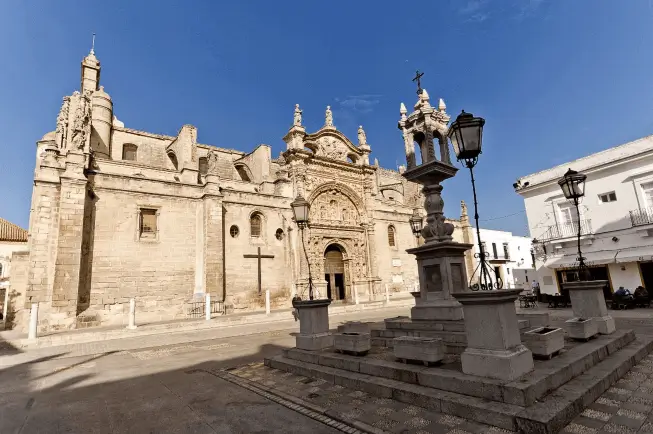
Outdoor advertising in El Puerto de Santa María
- Population: 90,242 inhabitants, according to INE 2025 data
- Gender split: roughly 51% women and 49% men
- Average age: around 44
- Purchasing power: average, with an economy based on fishing, the wine trade, tourism, retail and services; with above-average pockets in Vistahermosa and the Valdelagrana area
- Economic activity rate: around 55%, weighted heavily towards hospitality, retail, fishing, wine and construction
- Relevance for advertising: the crossroads of traffic between Cádiz, Jerez, Rota and Sanlúcar brings together very diverse audiences within just a few kilometres
El Puerto de Santa María is one of the mainstays of the Bay of Cádiz, with around 90,000 inhabitants according to 2025 data released by Spain's National Statistics Institute (INE) and a mixed profile that combines fishing, wine and coastal tourism. Home to historic fino sherry and brandy bodegas, it has a first-rate wine-tourism and food scene, reinforced by Cádiz's reputation for quality. The town acts as a bridge between the city of Cádiz, Jerez and Sanlúcar de Barrameda, with the N-IV and the A-491 as its main roads and the AP-4 as the way in from Seville, plus the catamaran that links it with Cádiz by sea. The Feria del Caballo (Jerez's horse fair) in May and the Feria del Puerto (the town's summer fair) mark the year's commercial peaks, together with the summer season in Valdelagrana and Fuentebravía, which multiplies the population of the coastal residential estates and sends local spending soaring.
In El Puerto we have close to a hundred sites, clearly dominated by bus shelters and billboards. The bus shelters are spread across the town centre (Calle Micaela Aramburu, Plaza del Polvorista, Plaza de la Noria, Avenida de la Paz) and the coastal residential estates (Vistahermosa, Las Viñas, Valdelagrana). Billboards are concentrated on the N-IV approaches (opposite the Renault dealership, the Makro car park and the El Paseo shopping centre), the corridors towards Rota, Sanlúcar and Jerez (the A-2001 road, Avenida Fuentebravía) and Avenida de la Constitución 1978. MUPIs cover the Las Redes shopping centre, Parque Calderón, La Puntilla beach and the old N-IV heading towards Cádiz. It is a versatile inventory for hospitality, wine tourism, summer leisure, the motor trade and residential property, with summer seasonality weighing very heavily.
Bus shelters in El Puerto de Santa María
Across El Puerto de Santa María, bus shelters cover the town centre as well as the coastal residential estates and the approaches to the hospital and the new law courts. They are the most versatile format in the municipality for sectors such as banking, telecoms, healthcare and local retail.
Notable sites include Calle Micaela Aramburu, on the corner of Calle Guadalete and opposite the hospital; Avenida La Paz, on the corner of Avenida Cádiz (stop 033); Plaza Polvorista, next to the town hall; Avenida de la Libertad, at Urgencias-Villalarguero (A&E), next to the hospital; Plaza de la Noria, on Avenida Constitución; the Vistahermosa shopping centre, on Calle del Vivero; Las Viñas, on the corner of Calle Viñador; opposite the Medinaceli hotel, on Plaza Jazmines; Avenida Diputación, on the corner of Avenida Guardia Civil, at the Instituto Tejada secondary school; the Las Salinas industrial estate, opposite the law courts; Calle Piano, on the corner of Avenida de la Música; Calle Rábida, on the corner of Calle Araucaria; Avenida Final del Parados (the Fuenterabía roundabout); and the commercial quay, in the port area.
Billboards in El Puerto de Santa María
El Puerto de Santa María's billboards are the most widely used format for reaching through traffic on the N-IV and on the approaches to shopping centres such as Bahía Mar, El Paseo and Carrefour. They work well for car dealerships, food wholesalers, restaurants and seasonal coastal campaigns.
Our leading locations are Avenida Valdelagrana, on the corner of Calle Gran Canaria, next to Makro; Calle Fuerteventura, on the corner of Avenida Valdelagrana, opposite Decathlon, next to the petrol station and Makro; Camino del Juncal, opposite the exit from the El Paseo shopping centre, heading towards the casino; the N-IV heading for Cádiz, opposite the Renault dealership and the Makro car park; Avenida Fuentebravía, next to the service station heading for Rota, on the El Manantial residential estate; the A-2001 road to Sanlúcar, on the corner of Calle Carmen Valenzuela, next to the petrol station, heading for the fairground and Jerez; Avenida Valdelagrana, next to Calle Viñador, at the exit from the Parque Bahía Mar shopping centre, opposite the Día Maxi supermarket; Carretera del Juncal, at the roundabout where it joins the A-491, heading towards the El Paseo shopping centre and Carrefour; and Avenida de la Constitución 1978, at the roundabout with Calle Pintor Hernández Homedes, next to Avenida Ronda del Estero.
MUPIs in El Puerto de Santa María
MUPIs in El Puerto de Santa María round out the network with a presence in pedestrian areas and along promenades, well suited to campaigns for hospitality, local retail, private healthcare and training.
Their main locations are the Las Redes shopping centre, on the corner of Calle Océano Pacífico; Parque Calderón, on the corner of Calle La Luna (Micaela Aramburu); La Puntilla beach, on Paseo de la Puntilla, opposite the Las Dunas campsite; Avenida Constitución, next to the Virgen del Carmen health centre; Carretera Fuentebravía, at the La Rufana roundabout; Calle Calabaza, on the corner of Calle Lindamar, on the promenade along Fuente Bravía beach; the old N-IV heading for Cádiz-Puerto, at the junction with Calle Río Iro; the old N-IV, level with the Monasterio de Doña Blanca; the old N-IV, opposite number 7 (La Caixa); and Calle Estuario, on the industrial estate.
Outdoor advertising in Huelva
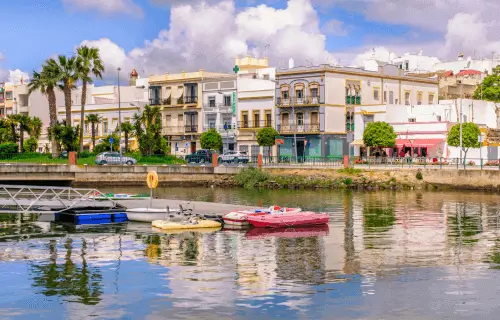
- Population: 143,774 inhabitants, according to INE 2025 data
- Gender split: roughly 52% women and 48% men
- Average age: around 43
- Purchasing power: below average and average, with an economy based on the port and chemical sector, intensive farming (strawberries and other berries), fishing and services
- Economic activity rate: around 55%, with a notable presence in the chemical industry, fishing, farming, retail and services
- Relevance for advertising: the Fiestas Colombinas and the tourist flow towards Portugal and the Costa de la Luz multiply the impact in summer
Huelva city is the eighth-largest in Andalusia, with around 144,000 inhabitants according to 2025 data released by Spain's National Statistics Institute (INE), and the capital of a province with two very clear economic engines: intensive farming of strawberries and other berries in the Condado and Costa areas, and the largest chemical and port complex in Spain. The Fiestas Colombinas, at the end of July and the beginning of August, are the year's main sales window and commemorate Columbus's departure for the Americas from the Muelle de las Carabelas. The A-49 connects with Seville in under an hour and the N-431 leads towards Portugal via Ayamonte, which turns the western exit from the city into a permanent tourist traffic route. The province also has well-known events such as the Jornadas Medievales (medieval festival) in Cortegana and the Feria del Jamón (ham fair) in Aracena, which extend advertising interest to the hill country inland.
Our network in the province of Huelva has more than ninety locations in the city itself and extends to Lepe, Cartaya, Isla Cristina, Ayamonte, El Rompido, El Portil and Punta Umbría. MUPIs and digital screens dominate in the city. MUPIs are concentrated on residential and shopping avenues such as Avenida Federico Molina, Paseo de la Palmera and Avenida de la Ría, and in the coastal towns they cover tourist routes such as Avenida de la Constitución (Ayamonte), Avenida Plaza de las Flores (Isla Cristina) and the Costa Esuri residential estate. The digital screens cover high-traffic areas: Avenida Federico Molina next to the El Corte Inglés department store, Paseo de la Palmera, Avenida Cristóbal Colón opposite the bullring and Avenida Nueva Andalucía at the Monumento al Fútbol roundabout. The mix suits retail, coastal hospitality, agribusiness and summer campaigns along the Huelva coast.
MUPIs in Huelva
Huelva's MUPIs are the most widespread format across the whole province and can cover both the city and the towns on the Costa de la Luz, which makes them very versatile for retail, hospitality, training, healthcare and estate agents.
Our leading locations are split between the city of Huelva and the coast: in Ayamonte, Avenida de la Constitución (La Plaza shopping centre), Avenida Ramón y Cajal and the Costa Esuri residential estate (Juan Pablo II roundabout); Isla Canela, Avenida de la Playa 51; the Punta del Moral residential estate, Avenida de la Mojarra 2; El Rompido, Avenida Playas de Cartaya 20; Cartaya, Avenida Gibraleón 83 (opposite Mercadona) and Avenida del Rompido 30 (health centre); Nuevo Portil, Avenida Diputación 13; Isla Cristina, Plaza de las Flores 14, Avenida Parque 7 (municipal theatre), Plaza República Dominicana and Calle Manuel Siurot 18 (bus station); and Lepe, Calle Manuel Macías, next to Mercadona, and Calle Real.
Digital screens in Huelva
In Huelva, digital screens let several advertisers rotate on the same site and are concentrated on the shopping corridors in the centre and the main approaches to public facilities. They work especially well for sectors such as retail, restaurants, leisure and events.
Highlights include Avenida Alcalde Pedro Rodríguez González, at Castaño de Robledo; Paseo de la Palmera, opposite number 5; Avenida Federico Molina, next to El Corte Inglés and opposite number 26; Avenida de la Ría, next to the Mercado del Carmen; Calle Padre Laraña, at the railway station; Avenida Nueva Andalucía, at the Monumento al Fútbol roundabout; Tráfico Pesado, on the corner of Príncipe de las Letras; Avenida Nuevo Colombino 9, next to Mercadona; Avenida Fuerzas Armadas 3; Alcalde Federico Molina 27, on the corner of Calle Platero; Avenida Santa Marta, on the corner of Artesanos; Avenida Cristóbal Colón, at the bullring; Avenida Diego Morón, at the Los Desniveles community centre; and Avenida de Andalucía, on the corner of Calle Los Marismeños.
Billboards in Huelva
Huelva's billboards line the approaches to the city, the areas around the hospitals and the corridors towards the Odiel industrial hub. They are the preferred format for sectors such as construction, the motor trade, industrial supplies and B2B services.
Notable sites include Avenida Santa Marta, at the roundabout with Avenida Diego Morón; Calle Magnolia, at the entrance to the Torrejón area, heading towards Avenida Santa Marta; Camino del Saladillo, on the corner of Calle Antonio Machado; Calle Manuel de Falla, next to the Nuevo Colombino stadium and the Puerto Sur shopping centre; Avenida Humilladero de la Cinta, at the roundabout with Carretera de Gibraleón, heading towards Paseo Marítimo; Avenida de las Flores, at the exit from the Hospital Juan Ramón Jiménez; Avenida Doctor Juan Nicolás, at the entrance to the hospital car park; Calle Margarita, at the roundabout with Calle Rosal de la Frontera, heading towards Avenida Santa Marta and Plaza Violeta; Avenida del Molino de la Vega, at the Santiago Apóstol roundabout, opposite the shopping centre; Avenida de Andalucía, at the roundabout with Calle Rubén Darío; and in Lepe, Carretera La Antilla.
Outdoor advertising in El Ejido
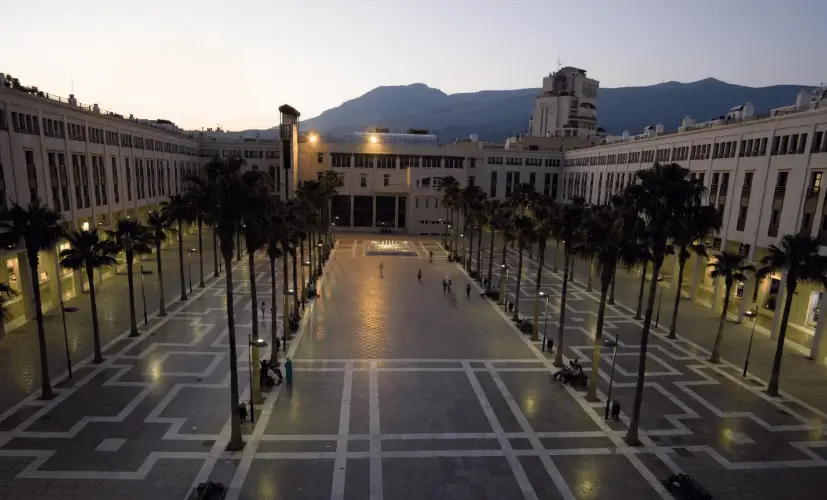
- Population: 90,617 inhabitants, according to INE 2025 data
- Gender split: roughly 49% women and 51% men
- Average age: around 38, one of the youngest in the region
- Purchasing power: average, with an economy specialising in intensive farming (vegetables and fruit), wholesale fruit and vegetable trading, transport and construction
- Economic activity rate: around 60%, weighted very heavily towards intensive farming, transport and wholesale trade
- Relevance for advertising: the central boulevard is home to practically all the town's shops and has continuous footfall during opening hours
El Ejido is the heart of the Poniente in western Almería and one of the most distinctive municipalities in Spain: with around 91,000 inhabitants according to 2025 data released by Spain's National Statistics Institute (INE), its economy revolves almost entirely around intensive farming under plastic, with cooperatives such as Coprohníjar, Coexphal, Cabasc and Indasol moving huge volumes every day all over Europe. It is one of the continent's great horticultural hubs, with a very strong supporting industry of nurseries, machinery, plastics, transport and agronomic services. The N-340A is the urban boulevard that stitches the municipality together from east to west, and the approaches to the Mercalmería wholesale market, the industrial estates of La Redonda and Venta Vieja, and the link with the AL-3303 towards La Mojonera are the points with the heaviest logistics traffic. Almerimar beach and Balerma add a tourist component to the area's productive profile, with a marina and golf courses that attract second-home owners and long-stay visitors for much of the year.
Our network in El Ejido has a large number of sites, weighted very heavily towards MUPIs with a solid complement of billboards. The MUPIs cover the boulevard (with corners at Mercado Común, Constantino, Pasaje, Iglesia, Madrid and Carretera Pampanico-Santa María) and the coastal outlying districts of Almerimar, San Agustín and Santa María del Águila. Billboards are located on the N-340A ring road, the approaches to the El Corte Inglés department store and the La Redonda industrial estates, as well as at the roundabouts linking up with Camino de los Majales and the AL-3303 heading north. It is one of the areas with the highest concentration of MUPIs per inhabitant in our entire Andalusian network, which makes it very effective for local retail, the motor trade, agricultural supplies, banking and campaigns aimed at a working population that commutes daily between the town centre and the greenhouses.
MUPIs in El Ejido
El Ejido's MUPIs are the most efficient format for reaching residents of Almería's Poniente, a young and active consumer base that travels along the central boulevard every day. They work very well for retail, the motor trade, private healthcare, training and estate agents.
The leading sites are Plaza Teniente Arturo Muñoz; the boulevard, on the corner of Calle Mercado Común; the boulevard, on the corner of Calle Constantino; the boulevard, on the corner of Calle Pasaje; the boulevard, on the corner of Calle Madrid; the boulevard, on the corner of Calle Iglesia; Calle Del Golf, in Almerimar; Avenida Príncipes de España; Paseo Pedro Ponce, on the corner of Avenida Oasis; Avenida Oasis, on the corner of Calle Yugoslavia and on the corner of Calle París; Paseo Marítimo, opposite the Jaleo building, in Almerimar; Calle Agua, on the corner of Calle Melilla, in San Agustín; the boulevard, on the corner of Carretera Pampanico-Santa María; and Plaza Alpujarra, on the corner of Calle San Isidro.
Billboards in El Ejido
El Ejido's billboards line the approaches via the N-340A, the exits onto the AL-3303 and the areas around the produce-handling industrial estates. They are the format of choice for agricultural wholesalers, industrial suppliers, transport, the motor trade and campaigns in sectors that depend on through traffic.
Highlights include the El Ejido boulevard (N-340A), at the roundabout with Avenida Ronda del Oeste; Avenida de El Treinta 171, next to the car dealerships, heading towards Avenida del Oasis and El Corte Inglés; Avenida de El Treinta 171, at the exit heading for Carretera Mojonera; the Camino de los Majales ring road, at the exit roundabout heading for Camino Adra; Avenida de El Treinta 65, next to the Mercalmería entrance, at the exit heading for the La Redonda industrial estate; Carretera Venta Vieja (AL-3303), at the roundabout with Avenida Príncipes de España, heading for the N-340A on Paseo Santa María del Águila; Calle Pérgola, at the roundabout opposite Calle Loma de la Mezquita, heading towards Avenida del Oasis and Lidl; the AL-3303 (Carretera Venta Vieja), next to the Copisi cooperative, heading towards Avenida País Vasco; and the exit roundabout on the Almerimar hill road.
Outdoor advertising in Granada

- Population: 235,294 inhabitants, according to INE 2025 data
- Gender split: roughly 53% women and 47% men
- Average age: around 44, with a very high proportion of university students and young people in the quarterly count
- Purchasing power: average and above average, with an economy based on the university, public healthcare, cultural tourism, biotechnology and services
- Economic activity rate: around 56%, with heavy weighting towards higher education, healthcare, hospitality, retail and public administration
- Relevance for advertising: the combination of the Alhambra, the university and the Costa Tropical means three distinct audiences can be targeted through separate networks
Granada city is the fourth-largest in Andalusia by population, with 235,294 inhabitants according to 2025 data released by Spain's National Statistics Institute (INE), and the only large inland capital with three complementary engines: mass cultural tourism centred on the Alhambra and the Generalife (a UNESCO World Heritage Site), the University of Granada with more than 56,000 students, and a biomedical hub built around the Parque Tecnológico de la Salud health science park. Student life permeates the whole city and sustains very steady youth spending throughout the academic year, with a packed cultural calendar of music, flamenco and dance festivals. The A-44 (Bailén–Motril) and the A-92 (Seville–Almería) cross the Granada ring road and connect with the Costa Tropical in under 50 kilometres and with Sierra Nevada in barely half an hour, which makes Almuñécar and Motril natural extension markets and adds ski tourism in winter to the cultural tourism of the rest of the year.
In the province of Granada we have just over a hundred sites, dominated by billboards and MUPIs. Billboards are concentrated on the A-44 ring road, the approaches via Avenida Andalucía and Avenida Fernando de los Ríos, the industrial estates to the north (the Mercagranada wholesale market area and El Florío) and the area around Nevada Shopping, the shopping centre in Armilla. MUPIs form a network of their own in Almuñécar, on the Costa Tropical, covering Paseo San Cristóbal, Carrera de la Concepción, Avenida Costa del Sol, Avenida Fenicia and the approaches via Avenida Andalucía. It is a very well-rounded network for advertisers who want to reach the university audience, cultural tourism in the city and coastal tourism on the Costa Tropical at the same time, with sectors such as education, leisure, private healthcare, retail and restaurants performing especially well.
Billboards in Granada
Granada's billboards line the approaches via the A-44 ring road, the corridors towards Sierra Nevada and the Armilla area, where the metropolitan area's large-scale retail is concentrated around Nevada Shopping. They work very well for car dealerships, retail, training, private healthcare and seasonal Sierra Nevada campaigns.
Notable sites include Camino Bajo del Cementerio, at the junction with the GR-3303, next to the river Monachil, opposite the petrol station, heading into Granada; Avenida Andalucía, km 4.500, opposite the Timbre hardware shop, next to the car dealerships, heading towards Avenida Constitución; Avenida Fernando de los Ríos, next to Mercadona, at the roundabout opposite Hiperdeluz; Carretera Pinos Puente, next to the Parque Empresarial Norte business park, heading for Mercagranada; Avenida Juventudes Musicales, heading towards Avenida Francisco Ayala; Calle de la Música, on the corner of Calle La Espartera, heading towards Avenida de Juan Pablo II; the Granada ring road (A-44), heading for Sierra Nevada and the Alhambra; Avenida de la Innovación, on the corner of Calle López de Neira, opposite Nevada Shopping, heading for the Facultad de Ciencias de la Salud; and Calle Doctor Medina Olmos, next to the A-44, heading for La Chana and the El Florío industrial estate.
MUPIs in Almuñécar (Costa Tropical)
MUPIs in Almuñécar target the tourist audience on the Costa Tropical, with a clear profile of domestic visitors on long weekends and summer holidaymakers. They are a good option for hospitality, restaurants, holiday lets, leisure and coastal retail, especially between June and September.
The leading MUPI locations are Paseo San Cristóbal, next to the La Dorada de Plata beach bar; Carrera de la Concepción, on the corner of Avenida Costa del Sol and next to the Los Cactus bar; Avenida Costa del Sol, next to the law courts and opposite the Citroën dealership (number 30); Avenida Fenicia, on the corner of Calle Larache, at McDonald's; Calle Larache, at the fairground; Avenida Andalucía, on the corner of Calle Andrés Müller, and on Plaza Madrid; Carretera Málaga-Velilla, on the corner of Avenida Fenicia; Paseo San Cristóbal, on the corner of Calle Mar de Plata; Avenida Juan Carlos I, on the corner of Calle Virgen del Carmen, at the bus stop; the Acueducto Romano roundabout, on Carrera de la Concepción; and Paseo del Altillo, on the corner of Calle del Cántaro.
Outdoor advertising in Chiclana de la Frontera
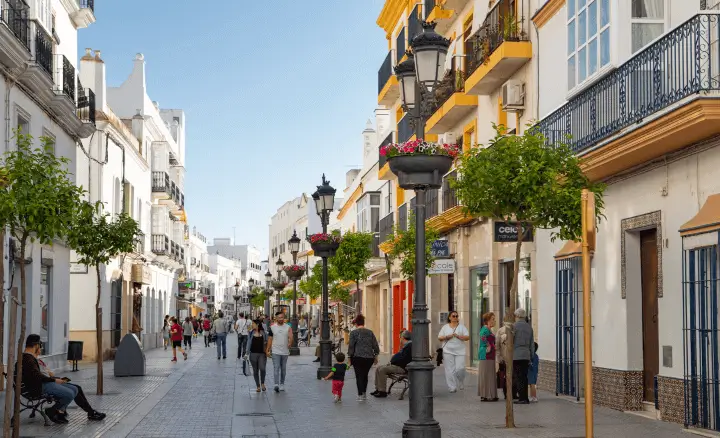
- Population: 90,997 inhabitants, according to INE 2025 data
- Gender split: roughly 50% women and 50% men
- Average age: around 41
- Purchasing power: average, with above-average pockets in Sancti Petri and Novo Sancti Petri; with an economy based on tourism, hospitality, golf, retail and construction
- Economic activity rate: around 55%, with heavy weighting towards hospitality, restaurants, tourist retail and construction
- Relevance for advertising: the town centre–Sancti Petri corridor works as two connected markets, one residential and the other for premium tourism
Chiclana de la Frontera is the fifth-largest municipality in the province of Cádiz by population, with around 91,000 inhabitants according to 2025 data released by Spain's National Statistics Institute (INE), and, together with Conil, the most tourist-oriented on the Cádiz stretch of the Costa de la Luz. La Barrosa beach, the seven kilometres of Novo Sancti Petri and the golf courses have shaped the town's development over recent decades, with a layout that runs from the historic centre (Avenida Reyes Católicos, Plaza España, Alameda del Río) to the coastal residential estates of Sancti Petri and La Barrosa. The town combines a winemaking and furniture-making tradition with a powerful beach-holiday hotel industry, which has placed Sancti Petri among the major resorts in the south of mainland Spain. The high season between May and September accounts for the bulk of spending, but the mild climate keeps tourism going from Holy Week onwards, with mostly domestic visitors on medium to long stays.
In Chiclana we have close to sixty locations, split between bus shelters, billboards and MUPIs. The bus shelters cover both the town centre (Avenida Reyes Católicos, Calle Pedro Vélez, Avenida de los Descubrimientos, Alameda del Río) and the coastal residential estates (Carretera Barrosa, the Fuentemar hotel, Camping Barrosa, Cerromolino and the Clínica Novo Sancti Petri). Billboards are located on the approaches via Carretera de las Lagunas and Carretera de Fuente Amarga, the corridors towards Sancti Petri and the spa, and around the Pelagatos industrial estate. MUPIs extend reach in the shopping areas of the centre and on the approaches to the large residential estates. It is a mix that suits hospitality, golf, premium restaurants, family leisure and holiday property very well, with a calendar that intensifies in summer and an audience with high tourist spending.
Bus shelters in Chiclana de la Frontera
Bus shelters in Chiclana cover the bus routes linking the town centre with the coastal residential estates and are the most stable format all year round, as they combine residents and visitors. They work very well for hospitality, restaurants, family leisure, private healthcare and local campaigns.
Notable sites include Camping Barrosa B; Calle Molino Viejo 5 (Sotillo A and B shelters, towards the beach and towards Chiclana); Avenida Reyes Católicos 13, at the El Pilar shelter; Calle Pedro Vélez, at the Los Naranjos shelter; Avenida de los Descubrimientos, at the Los Esteros shelter; Carretera Fuentemar, at the entrance to the Fuentemar hotel; Alameda del Río, on Plaza España; Carretera Barrosa, on the corner of Calle Albariza (Almendral B shelter); Avenida de la Música; Carretera Medina 25 (Bar Poblao shelter); the specialist medical centre, next to Puente de la Longuera; Calle La Vid, next to the cemetery; and Carretera Barrosa, at Cerromolino and next to the Clínica Novo Sancti Petri.
Billboards in Chiclana de la Frontera
Billboards in Chiclana target through traffic between the town centre and the coastal residential estates, as well as the approaches to the spa and the Lagunas area. It is an effective format for car dealerships, golf, hospitality, restaurants and construction.
Highlights include the Puente de la Concordia over the river Iro, heading towards Carretera de Medina; Calle La Vid, at the roundabout with Avenida Diputación; the roundabout at the Puente de la Concordia, heading for Carretera de Medina; Avenida Reyes Católicos, on the corner of Avenida de la Música, at the entrance from the Pelagatos industrial estate; Calle Paciano del Barco, on the corner of Calle Cantabria, heading towards the Puente VII Centenario; Carretera de las Lagunas, at the roundabout with Carretera Fuente Amarga, next to the petrol station opposite the Venta El Florín roadside restaurant, heading for Sancti Petri; Carretera Fuente Amarga, on the corner of Camino Montebajo and Camino Montealto; the entrance roundabout for El Florín, heading towards the spa; and Carretera Fuente Amarga 141, northbound and southbound.
MUPIs in Chiclana de la Frontera
MUPIs in Chiclana strengthen the network in the town centre and on the approaches to facilities in the centre, with a mainly resident audience. They are a useful complement to bus shelters and billboards for campaigns that need more coverage day to day.
The locations are spread across the town centre and the main approaches to Sancti Petri, in areas such as Avenida de la Diputación, Alameda del Río and around Los Esteros, completing the network that the bus shelters cover less densely.
Outdoor advertising in Cádiz
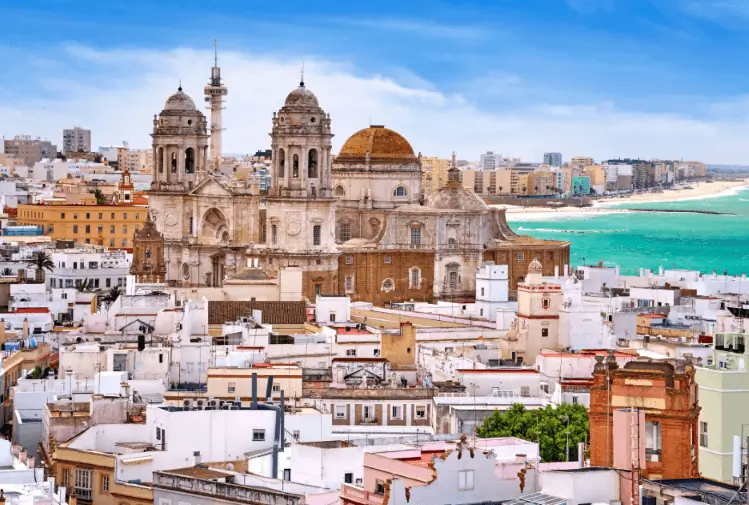
- Population: 110,123 inhabitants, according to INE 2025 data
- Gender split: roughly 53% women and 47% men
- Average age: around 47, one of the highest among Andalusia's provincial capitals
- Purchasing power: average, with an economy based on shipbuilding and aerospace, public administration, retail, tourism and public services
- Economic activity rate: around 52%, with significant weighting towards shipbuilding, aerospace, public administration, retail and services
- Relevance for advertising: every February, Carnival brings in enough visitors to multiply the centre's usual flow several times over
Cádiz is the oldest city in the Western world and, with around 110,000 inhabitants according to 2025 data released by Spain's National Statistics Institute (INE), the capital of one of the most important industrial comarcas (districts) in southern Europe: the Astilleros de Cádiz shipyards, Airbus in Puerto Real and the Acerinox plant in Los Barrios. The urban peninsula is narrow and compact, with two very distinct areas: the pedestrianised, heritage-rich old town within the walls, and the Avenida de Andalucía–Paseo Marítimo axis, the backbone of the new town as it runs towards the free trade zone and the port. The Carnaval de Cádiz (the city's carnival), officially listed as of International Tourist Interest, is the year's main sales window and fills the streets of the old town with comparsas, chirigotas and coros (carnival singing groups) for almost two weeks in February, with an official competition at the Gran Teatro Falla that draws media attention from all over Spain and sends footfall and hospitality spending soaring.
Across the city of Cádiz we have close to sixty sites, clearly dominated by MUPIs and digital screens. MUPIs cover residential and shopping streets such as Avenida de la Bahía, Avenida Guadalete, Avenida Guadalquivir, Avenida Ramón y Carranza, Calle San Severiano, Calle Ana de Villa and the free trade zone along Calle Puerto Real, opposite the car dealership. Digital screens are concentrated in the historic centre (Paseo Marítimo, Calle Brasil, Calle De la Cruz, Calle Nereidas) and on Paseo del Almirante Pascual Pery. It is a network designed for local campaigns: the city's compact size multiplies impacts per euro invested and favours local retail, hospitality, professional services and tactical campaigns around Carnival and the beach season on La Caleta and La Victoria beaches.
MUPIs in Cádiz
In Cádiz city, MUPIs cover the whole of the new town and the approaches to the free trade zone, with an audience made up mainly of residents and commuters from around the Bay of Cádiz. They work very well for retail, private healthcare, training, hospitality and Carnival campaigns.
Notable sites include Calle Puerto Real, in the free trade zone, opposite the car dealership; Calle San Severiano 15; Alameda Apodaca 25; Calle José León de Carranza 19; Calle Francisco García Sola, opposite number 1 and number 46; Calle Fantasía Bética, next to number 3; Avenida Guadalete, on the corner of Avenida Guadalquivir; Avenida de la Bahía 15 and 17; Avenida Ilustración, on the corner of Calle Magallanes; Avenida Segunda Aguada 1; Calle Ana de Villa 11; Avenida Ramón y Carranza 7; and Avenida Guadalquivir 20.
Digital screens in Cádiz
In Cádiz, digital screens are concentrated in the historic centre and on Paseo Marítimo, where the flow of tourists and residents on foot never lets up. They are a natural choice for event, hospitality, restaurant and leisure campaigns, and for specific seasons such as Carnival.
The leading sites are Calle Luis de Velázquez 9; Calle Brasil; Paseo Marítimo 16; Calle De la Cruz 7; Paseo del Almirante Pascual Pery; and Calle Nereidas 3. They cover the main pedestrian thoroughfares and promenades in the centre and along the seafront.
Outdoor advertising in Alcalá de Guadaíra
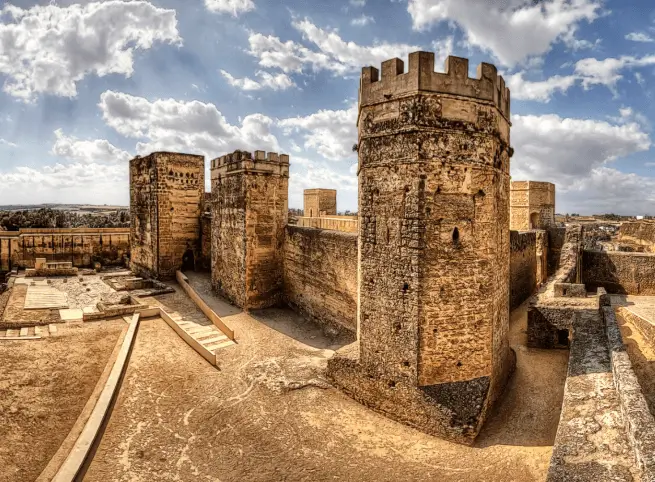
- Population: 76,922 inhabitants, according to INE 2024 data
- Gender split: roughly 51% women and 49% men
- Average age: around 41
- Purchasing power: average, with an economy based on the industrial baking sector, logistics, retail and services for the Seville metropolitan area
- Economic activity rate: around 58%, with heavy weighting towards the food industry, transport and logistics, retail and construction
- Relevance for advertising: logistics traffic to the industrial estates in the east of the Seville metropolitan area flows continuously throughout the working year
Alcalá de Guadaíra is one of the pillars of the Seville metropolitan area, with around 77,000 inhabitants, as reported by Spain's National Statistics Institute (INE), and a very clear economic profile: flour and industrial baking, which have earned it the nickname Alcalá de los Panaderos (Alcalá of the bakers), along with a strong industrial and logistics base on the Polysol, El Chaparral and Palmetillo industrial estates and those at Nueva Alcalá and Fuente del Rey. The town has one of the largest areas of industrial land around Seville and attracts distribution, food, motor trade and supply businesses serving the whole comarca. The A-92 and the SE-3203 connect with Seville in under fifteen minutes, and the exit towards Carmona and the A-4 means the town's approaches work as a logistics hub for the whole of the eastern metropolitan area. Its heritage, with the castle and the banks of the Guadaíra, adds a local leisure appeal that supports the town's shops.
In Alcalá we have just over forty sites, very clearly dominated by billboards. Billboards are concentrated on the approaches via the A-8028 (Avenida Palmetillo), the A-398 towards El Viso del Alcor and Carmona, the A-92, the A-8033 (Carretera Sevilla-Alcalá towards the Puente del Dragón) and the A-392 (the entrance from Dos Hermanas). It is one of the areas most favoured by B2B advertisers in logistics, distribution, industrial supplies, the motor trade and construction, who make the most of the heavy flow of lorries and commercial vehicles through the industrial estates. MUPIs and bus shelters strengthen the network in the town centre and the new residential areas, extending reach to the resident audience and making it possible to combine brand campaigns aimed at businesses with local messaging for shops and services.
Billboards in Alcalá de Guadaíra
Billboards in Alcalá de Guadaíra target industrial and commuter traffic heading for the Palmetillo, Polysol, El Chaparral and Nueva Alcalá industrial estates, with a very clear audience: professionals, hauliers and sales reps. It is the format preferred by B2B advertisers and by consumer goods sectors aimed at metropolitan residents.
Notable sites include the A-8028 Avenida Palmetillo, next to Brico Sevilla, heading for Decathlon; the A-8028 Avenida Palmetillo, heading for the A-92, next to the Merka and El Chaparral industrial estates; the A-398, at the Alcalá de Guadaíra exit, heading for El Viso and Carmona, next to the Polysol industrial estate; the A-8033 Carretera Sevilla-Alcalá (the Seville to Alcalá road), km 1.5, at the Alcalá entrance heading for the Puente del Dragón; the A-392 Avenida Dos Hermanas, at the entrance from Dos Hermanas, opposite the Cepsa petrol station, heading for the centre; the SE-3203 heading for Avenida Escultor Gregorio Fernández, coming into Alcalá from the A-92 next to the Nueva Alcalá residential estate; Carretera de Mairena A-8028, next to the petrol station and the entrance to Decathlon Alcalá de Guadaíra, heading for the Palmetillo industrial estate; and the Cerro Cabeza Hermosa roundabout, at the entrance to Eroski.
MUPIs in Alcalá de Guadaíra
Across Alcalá de Guadaíra, MUPIs cover the town centre and new residential areas, complementing the billboards with a more urban presence. They are a good format for retail, training, private healthcare and professional services aimed at residents.
The locations are spread along the main shopping streets in the centre and the approaches to the residential estates in the east, covering people moving by car and on foot through the old town and the area around the river Guadaíra.
Bus shelters in Alcalá de Guadaíra
Bus shelters in Alcalá de Guadaíra strengthen coverage of the public transport corridors towards Seville and within the town centre. They are a good option for campaigns combining local audiences and commuters, especially in sectors such as banking, telecoms and training.
The locations are concentrated on the main corridors towards the industrial estates and residential estates, adding more urban, pedestrian coverage to the reach of the billboard network.
Outdoor advertising in Roquetas de Mar
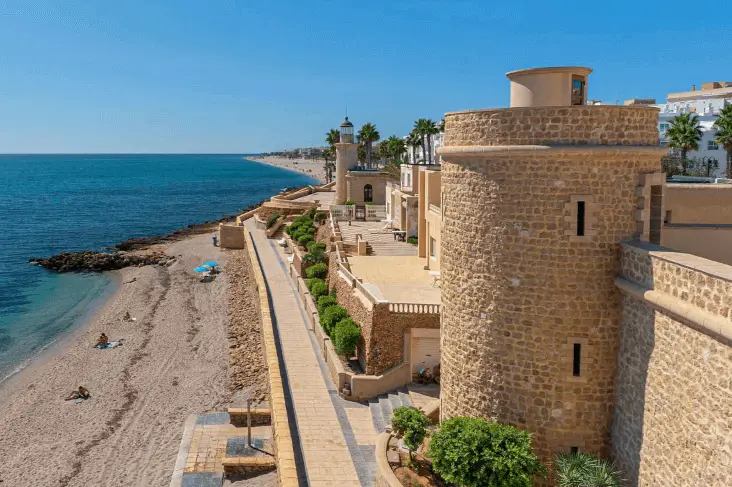
- Population: 110,054 inhabitants, according to INE 2025 data
- Gender split: roughly 49% women and 51% men
- Average age: around 39
- Purchasing power: average, with an economy based on intensive farming, tourism, hospitality, retail and construction
- Economic activity rate: around 60%, with a strong presence in farming, hospitality, retail and tourist services
- Relevance for advertising: one of the municipalities with the most sustained population growth in Andalusia, with a very high concentration of shops on Avenida Rey Juan Carlos I
Roquetas de Mar ranks as the second-largest municipality in the province of Almería, with around 110,000 inhabitants according to 2025 data released by Spain's National Statistics Institute (INE), and one of the fastest-growing year on year in all of Andalusia, with close to 1,700 new residents in the last year. Its economy combines the intensive farming of the Poniente with strong tourism development around Aguadulce and Las Marinas and in the marina area, which have turned it into a beach destination with plenty of hotel capacity and a very large stock of second homes. The population multiplies in summer, and the mild climate keeps the town busy for most of the year. Carretera de Alicún (AL-3115), Avenida Carlos III and Avenida Reyes Católicos are the three axes that shape the town, with Avenida Rey Juan Carlos I as the main artery for shops and services.
In Roquetas we have close to fifty sites, very clearly dominated by MUPIs. MUPIs cover the whole shopping axis: Carretera Alicún (with sites at the Las Fabriquillas roundabout, the Gran Plaza shopping centre, opposite the sports hall on Rambla Cañuelo and opposite Lidl), Avenida Unión Europea next to the auditorium, Avenida del Sabinal towards the port, Avenida Curro Romero next to the bullring, Avenida Rey Juan Carlos I (next to Mercadona, the Correos post office and the Cajamar bank), Avenida Pablo Picasso and Avenida Roquetas. Billboards reinforce the approaches to the Las Salinas industrial estate and the link with Aguadulce and the N-340. The inventory is a very good fit for retail, coastal hospitality, the motor trade, family leisure and seasonal campaigns aimed at a resident and tourist population that is growing steadily.
MUPIs in Roquetas de Mar
MUPIs in Roquetas are the most effective format for reaching residents and tourists who combine shopping and leisure on Avenida Rey Juan Carlos I and Carretera de Alicún. They work very well for retail, the motor trade, private healthcare, leisure, hospitality and summer seasonal campaigns.
The leading MUPI locations are on Carretera Alicún, at the Las Fabriquillas roundabout (Avenida Las Fabriquillas 18, next to the Parador), at number 10 (opposite the Franelia restaurant, on the Las Salinas industrial estate), at number 7 (Gran Plaza shopping centre), at number 6 (opposite Lidl, on the corner of Calle Preciado) and opposite the sports hall, on Rambla Cañuelo; Avenida Unión Europea, opposite the auditorium; the bus station, on Avenida Curro Romero; Avenida del Sabinal, at the Castillo roundabout and the port; Avenida Curro Romero, next to the bullring; Avenida Rey Juan Carlos I, at numbers 9 (Cajamar and the taxi rank), 20 (next to Correos) and 51 (Mercadona); Avenida Pablo Picasso 4, on Plaza Doctor Marín; and Avenida Roquetas 126, on the corner of Calle Villapalos.
Billboards in Roquetas de Mar
Billboards in Roquetas de Mar target the approaches to the town centre via Avenida Carlos III and the link with the Las Salinas industrial estate and Aguadulce, with a very clear audience of through traffic between the main towns of the Poniente.
Notable sites include the roundabout on Avenida Carlos III, at number 184, next to the BP petrol station heading for Aguadulce; the roundabout on Avenida Carlos III, at number 100, next to the Cepsa petrol station, also heading for Aguadulce; and the approaches to the Las Salinas industrial estate and the town centre via Carretera de Alicún. It is an effective network for regional campaigns covering Roquetas, El Ejido and Almería at the same time.
Outdoor advertising in Sanlúcar de Barrameda
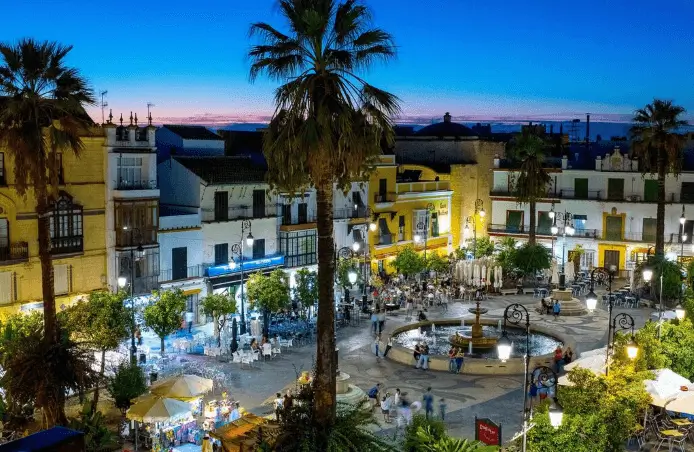
- Population: 70,012 inhabitants, according to INE 2025 data
- Gender split: roughly 50% women and 50% men
- Average age: around 43
- Purchasing power: average, with an economy based on the wine industry (manzanilla and sherry), fishing, food tourism and retail
- Economic activity rate: around 54%, with significant weighting towards hospitality, the wine trade, fishing, retail and construction
- Relevance for advertising: the Carreras de Caballos in August are one of the most concentrated tourist peaks in all of Andalusia, with a national and international profile
Sanlúcar de Barrameda has more than 70,000 inhabitants, as reported by Spain's National Statistics Institute (INE), and ranks as the main town on the Costa Noroeste of Cádiz province, with an economic profile tied to manzanilla sherry and fishing, as well as rising tourism helped by its designation as Capital Española de la Gastronomía (Spain's gastronomy capital) in 2022. Located at the mouth of the Guadalquivir, opposite Doñana National Park, it adds a first-class natural attraction to the area's bodega heritage and seafood cooking, with king prawns as the signature product. The Carreras de Caballos (horse races run on the beach), officially listed as of International Tourist Interest since 1997, are among the most recognisable sporting and festive events in southern Spain and draw tens of thousands of visitors every August, over two race meetings that fill hotels, restaurants and shops. The A-471 from Jerez and the A-2001 from El Puerto de Santa María are the town's main approaches.
In Sanlúcar we have close to forty sites, with a very even mix of bus shelters, billboards and MUPIs. The bus shelters are concentrated on the main urban corridors: Avenida Calzada Duquesa Isabel, Avenida de Huelva, Avenida San Francisco, Avenida de Godoy, Calle Santo Domingo and Avenida de la Constitución. Billboards target the approaches via Carretera del Puerto de Santa María (A-2001) and Carretera de Jerez (A-471), with prime sites at the roundabout by the El Palmar stadium, the entrance to the Las Dunas retail park and Avenida de la Constitución opposite Plaza de las Acacias. MUPIs cover Plaza Antonio Barbadillo, Avenida Bajo de Guía, Avenida Quinto Centenario and Carretera de Chipiona. It is an inventory that performs well for hospitality, wine tourism, seafood restaurants, local retail and campaigns tied to the summer and the horse races.
Bus shelters in Sanlúcar de Barrameda
Bus shelters in Sanlúcar are the most urban and consistent format all year round, with an audience combining residents and tourists in areas such as Calzada Duquesa Isabel and Avenida de Huelva. They work especially well for hospitality, restaurants, leisure, private healthcare and campaigns tied to events in the Sanlúcar calendar.
Notable sites include Calle Paloma; Avenida de Huelva, on the corner of Calle de las Redes and next to number 4; Carretera de Colonia Monte Algaida; Avenida Calzada Duquesa Isabel, on the corner of Calle Infanta Beatriz and at the street market; Carretera de Chipiona, opposite La Goya; Avenida San Francisco; Avenida de Godoy, on the corner of Calle Hugo Homerique; Calle Santo Domingo, opposite Plaza Santa Ángela de la Cruz; Avenida Madrid 18; Calle Lentisco 7; Avenida de la Constitución 35; and Avenida de Huelva 5.
Billboards in Sanlúcar de Barrameda
Billboards in Sanlúcar target the approaches via the A-2001 (Carretera del Puerto de Santa María) and the A-471 (Carretera de Jerez), with through traffic heavily concentrated at weekends and especially high during the Carreras de Caballos season in August. It is a very useful format for car dealerships, hospitality, food wholesalers and seasonal campaigns.
Prominent sites include Carretera del Puerto de Santa María, next to the petrol station, at the entrance to Sanlúcar heading for Plaza del Carmen; Carretera del Puerto de Santa María, A-2001, next to the petrol station, on the way out of Sanlúcar next to the Las Dunas shopping centre; Carretera de Jerez 21, on the way out heading for Jerez, opposite the petrol station; the A-2001, at the Las Dunas retail park roundabout, at the entrance to Sanlúcar; Carretera de Jerez 2, next to the roundabout by the El Palmar football stadium, on the way out of Sanlúcar heading for Jerez; Avenida de la Constitución, at the roundabout with Avenida de Trebujena, opposite the petrol station, on Plaza de las Acacias; Avenida de la Constitución, next to Lidl; the old Carretera de Jerez (A-471), next to Carrocerías Doñana; and the José Luis Borges roundabout.
MUPIs in Sanlúcar de Barrameda
MUPIs in Sanlúcar de Barrameda strengthen coverage of pedestrian areas and residential avenues, with a mostly local audience. They work well for retail, private healthcare, neighbourhood bars and restaurants, and professional services.
Our leading locations are Plaza Antonio Barbadillo, on the corner of Avenida Doctor Manuel López Vázquez; Carretera de Chipiona, on the corner of Calle Zarra; Avenida Bajo de Guía, on the corner of Avenida Cabo Noval; Avenida Quinto Centenario, on the corners of Calle del Nuevo Mundo and Calle Huerta de la Zorra; Calle Esteban Boutelou, opposite Calle Calzada de la Infanta; Carretera de Colonia Monte Algaida, at Camino Salinas; Calle Puerto, on the corner of Calle Carretería; the Piletas roundabout, on Avenida de las Piletas; and Avenida de la Constitución, at the BP roundabout.
Outdoor advertising in Dos Hermanas
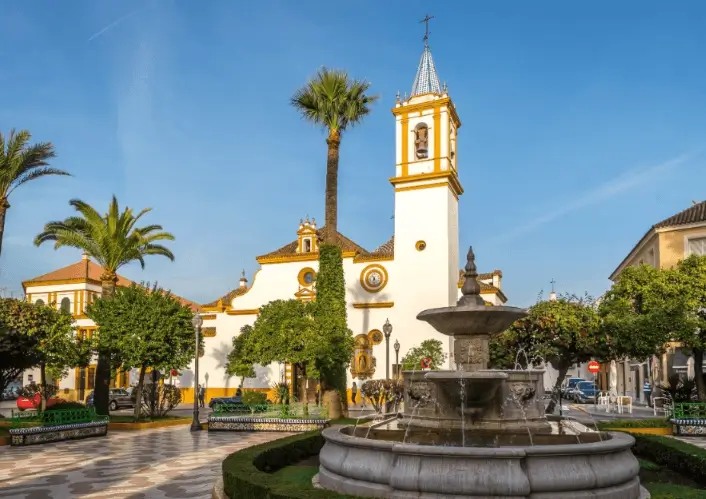
- Population: 142,463 inhabitants, according to INE 2025 data
- Gender split: roughly 51% women and 49% men
- Average age: around 41
- Purchasing power: average, with an economy based on the food and consumer goods industries, logistics, large-scale retail and university education
- Economic activity rate: around 60%, with heavy weighting towards industry, logistics, retail and education
- Relevance for advertising: the industrial and retail corridor between the N-IV, the Carrefour centre and Pablo de Olavide University carries a mix of resident, professional and student traffic
Dos Hermanas is the ninth-largest city in Andalusia by population, with 142,463 inhabitants according to 2025 data released by Spain's National Statistics Institute (INE), and the main engine of the southern Seville metropolitan area. Its economic profile combines industry with well-known brands (Heineken, Ybarra, Persán), logistics along the N-IV and the SE-3206 towards the La Isla industrial estate, large-scale retail around the Carrefour shopping centre and the Sevilla Factory outlet centre, and a university cluster around Pablo de Olavide University and the Montequinto campus. The city has grown strongly over the last decade and adds several thousand residents every year, making it one of the most dynamic urban centres around Seville. The A-4 runs through the municipality and connects it with Seville in under ten minutes, while the SE-40 and the approaches to the industrial estates reinforce its role as a major logistics and industrial hub for the metropolitan area.
In Dos Hermanas we have close to forty sites, almost entirely billboards. They are concentrated on the main traffic arteries towards Seville and Cádiz, the approaches to the La Isla industrial estate and the Montequinto university corridor. Notable locations include the Seville–Cádiz motorway at the Dos Hermanas exit, the SE-3205 Carretera Isla Menor next to the N-IV, the N-IV level with Sevilla Factory, the roundabout leading to Avenida de Bellavista, Avenida Montequinto next to Burger King and the Más supermarket, Avenida de las Universidades towards Pablo de Olavide University and Carrefour, and the roundabouts leading into the La Isla industrial estate from the A-4. It is an inventory well suited to B2B advertisers in logistics, industry, distribution and the motor trade, combined with consumer goods campaigns aimed at the heavy daily traffic between Seville and the southern metropolitan area.
Billboards in Dos Hermanas
The dominant format in Dos Hermanas is the billboard, thanks to the natural link with the N-IV and the weight of the logistics and retail activity around the La Isla industrial estate. Billboards work very well for car dealerships, food wholesalers, industrial suppliers, higher education and seasonal campaigns around the Carrefour shopping centre and the Sevilla Factory outlet centre.
The locations cover the main approaches via the Seville–Cádiz motorway, the corridors towards Bellavista and Montequinto, and the areas around the Fuente del Rey and La Isla industrial estates, completing a coherent network that connects the southern Seville metropolitan area with the road out towards Cádiz.
Outdoor advertising in Jaén
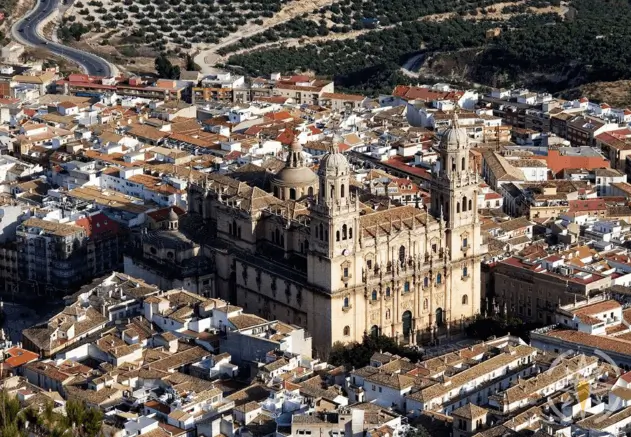
- Population: 112,119 inhabitants, according to INE 2025 data
- Gender split: roughly 52% women and 48% men
- Average age: around 44
- Purchasing power: average, with an economy based on the olive oil sector, public administration, retail and university services
- Economic activity rate: around 54%, with significant weighting towards public administration, the olive oil sector, retail, hospitality and education
- Relevance for advertising: Avenida de Madrid carries the city's main flow and the street thermometers are a highly identifiable format on Jaén's streets
Jaén city is the tenth-largest in Andalusia by population, with around 112,000 inhabitants according to 2025 data released by Spain's National Statistics Institute (INE), and the capital of the province with the world's largest olive oil output: the Sierra Mágina, Sierra de Cazorla and Sierra de Segura designations of origin (DOs) account for a very large share of the global extra virgin olive oil harvest. The city's economy rests on public administration, the university services of the University of Jaén and retail serving a province of around 600,000 inhabitants. The old town, presided over by the Renaissance cathedral and the castle of Santa Catalina, sustains a growing cultural tourism trade. The A-44 (Bailén–Motril) and the N-323A are the main approaches, with Avenida de Madrid and Paseo de la Estación as the shopping axes that carry the bulk of the city's pedestrian and vehicle traffic.
In Jaén we have close to forty sites, with a very distinctive mix: billboards on the approaches and the ring road, street thermometers on Avenida de Madrid (a format distinctive to the city) and digital screens on Paseo de la Estación. Billboards are concentrated on the A-44 Bailén–Motril motorway (opposite the Hotel Ciudad de Jaén and the Molina industrial estate), the Ronda Sur de Circunvalación next to the Quiebra Cántaros industrial estate, Carretera de Córdoba heading towards Granada and Carretera de Madrid N-323A next to the Los Olivares industrial estate. The thermometers and digital screens provide sustained visibility in the centre and are an unusual, highly recognisable format for local campaigns. The mix is effective for city-centre retail, public administration, training, the olive oil sector and service campaigns aimed at a provincial population whose main shopping and administrative centre is the city of Jaén.
Billboards in Jaén
Jaén's billboards line the approaches to the city via the A-44 motorway, the Ronda Sur ring road and the corridors towards the Los Olivares industrial estate and the IFEJA trade fair grounds. They are the format preferred by car dealerships, industrial suppliers, olive oil mills, transport firms and regional campaigns covering the whole province.
Notable sites include the entrance to Lidl, at the end of Gran Eje; the A-44 Bailén–Motril motorway, km 32.7, at the Hotel Ciudad de Jaén, next to the Molina industrial estate and the Shell petrol station; Ronda Sur Circunvalación, next to the Quiebra Cántaros industrial estate, heading for the centre; Carretera Córdoba, next to Hipermueble, on the way out heading for Granada, opposite the Repsol petrol station; Avenida Antonio Pascual Acosta, on the corner of Calle Virgen del Alcázar, heading for the roundabout on Calle Ben Saprut; Ronda de Marroquíes, heading for Paseo de España; Carretera de Madrid N-323A, on the corner of Ronda de los Olivares, on the way out heading for Granada and Úbeda; Carretera de Madrid N-323A, next to the Los Olivares industrial estate, opposite the tram stop; and Ronda Sur Circunvalación, next to Carretera La Guardia, heading for the IFEJA trade fair grounds and Calle Ejido de la Alcantarilla.
Street thermometers in Jaén
Street thermometers in Jaén are a format distinctive to the city and provide sustained visibility on shopping avenues with both pedestrian and vehicle traffic. What sets them apart is the temperature display built into the panel, and they lend themselves very well to campaigns for pharmacies, private healthcare, banking, training and sectors that value a constant presence.
Notable sites include Calle Arquitecto Berges, at the Centro de Salud health centre; Avenida de Granada, at the bullring; Calle Roldán y Marín, on the corner of Calle Rastro; Calle Navas de Tolosa, on the corner of Calle Antón de Cuéllar; Avenida de Madrid 2, 29 and 35; Avenida de Madrid, on the corner of Calle Sebastián Martínez; Paseo Estación, on the corner of Calle Virgen de la Cabeza; Avenida Andalucía, at the Blas Infante roundabout; Calle Santa María del Valle 1; and Plaza Jaén por la Paz.
Digital screens in Jaén
Jaén's digital screens complement the thermometers and billboards with a more versatile format for sectors that rotate their creative. They work well for retail, hospitality, leisure and tactical campaigns that need flexible scheduling.
The leading sites are Paseo de la Estación, on the corner of Calle Virgen de la Cabeza and at number 2; the Decathlon roundabout; Avenida Madrid 2; and Avenida Andalucía, at the Blas Infante roundabout. They cover the most visible shopping corridors in the centre of Jaén.
How booking outdoor advertising with Marco Visual works
Tell us what you’re looking for
If you’d rather choose yourself, our campaign planner (in Spanish) lets you pick the weeks and then browse the map or the list of sites, with filters by type of site, city, postcode or distance to a shop or point of interest. Bear in mind the booking cycles: many sites are sold by the week, but most 8x3 m billboards are booked in two-week periods or for 26 weeks, so they’re greyed out if you pick a single week. Click ‘Siguiente’ (Next) and you’ll see a campaign summary with the total price, printing and posting included: we take care of everything. You just enter your contact details and create the campaign.
Either way, you get a unique link to your campaign page, which you can share with your team: the sites you picked, the weeks, the price and the guides for preparing your artwork. You can check it whenever you like.
We confirm availability so you can book online
When everything is cleared, you can enter your billing details on that same page, pay by bank transfer and upload your artwork. Once you’ve paid, upload the transfer receipt so we can confirm the booking sooner.
Remember to send your artwork, following the guides, before the deadline shown on the proposal (usually 7 days before the start). We’ll email you at every step: artwork received and approved, payment received, sites confirmed.
Printing, posting and launch
These photos are usually ready 24 to 48 hours after the start; we’ll email you when they are.
When the campaign ends, you’ll see a notice on the campaign page and receive a satisfaction survey, with the option of leaving us a Google review. It helps us do better.
Frequently asked questions about outdoor advertising in Andalusia
How much does an outdoor advertising campaign cost in Andalusia?
Prices vary with the format, the campaign length and the number of sites. As a general guide, booking MUPIs for a two-week period in a city such as Almería or Córdoba can start at around €164–640 per site. Digital screens are sold in airtime blocks, with a cost per block that usually starts at around €150 a week. Ask us for a firm, tailored quote. The billboard guide price in Andalusia is €78 to €168 per face per week (€156 to €336 over a two-week period), excluding VAT and poster printing, which is quoted separately; some positions are sold by the two-week period (2 weeks, 14 days), others only for 6 months (26 weeks).
Which formats work best for a local business in Seville or Málaga?
If you run a local business in Seville, the advertising kiosks and bus shelters work particularly well, because they reach deep into the historic centre and the big residential neighbourhoods. In the city of Málaga, the digital screens in the centre and the bus shelters on Avenida de Andalucía and Avenida de la Aurora offer a powerful combination of coverage and frequency. If your business depends on road traffic (car dealerships, wholesalers), billboards on industrial estates such as El Pino, Carretera Amarilla, Guadalhorce or Villa Rosa are the best option.
How many advertising sites does Marco Visual have in Andalusia?
Several thousand active sites across the eight provinces, with heavy concentrations in the city of Málaga, Seville, Marbella, Almería, Córdoba, Torremolinos, El Puerto de Santa María, Huelva, El Ejido, Granada, Chiclana de la Frontera, Cádiz, Alcalá de Guadaíra, Roquetas de Mar, Sanlúcar de Barrameda, Dos Hermanas and Jaén, plus a presence in coastal towns such as Almuñécar, Vera, Mojácar, Garrucha, Isla Cristina, Lepe, Cartaya and Ayamonte.
What is the minimum length of an outdoor advertising campaign?
With MUPIs, bus shelters and billboards, the standard minimum is one two-week period (2 weeks, 14 days), the medium's classic planning unit. On digital screens you can book weekly blocks or shorter ones, depending on the network, which makes them more flexible for tactical, short-run campaigns. Some billboard positions can only be taken for 6 months at a time (26 weeks).
Which parts of Andalusia get the most footfall and road traffic?
For footfall, the busiest points are in Málaga's historic centre (Calle Larios, Plaza de la Merced), central Seville (Alameda de Hércules, Plaza de la Magdalena, Calle Sierpes), Cádiz's Paseo Marítimo and the historic centres of Granada and Córdoba. For road traffic, the main arteries are Seville's SE-30 ring road, Avenida Velázquez in Málaga, the N-340 through Marbella and the Costa del Sol, the A-7 where it passes Almería, and the approach roads to the Carretera Amarilla, El Pino and Guadalhorce industrial estates and those at Los Olivares and Las Quemadas.
Do you have digital sites or only static ones?
We have both. Digital screens are one of the fastest-growing formats in our Andalusian network, with large concentrations in the city of Málaga (more than 250 screens, especially in the centre), Seville, Huelva, Marbella, Cádiz and Jaén. Digital lets you run several creatives in rotation on one site and target by time of day, while static formats (MUPIs, bus shelters, billboards, kiosks) guarantee a continuous presence for the whole two-week period.
What happens after I ask for a proposal?
First, we discuss your goal, budget and areas. We send you a proposal with specific sites, dates and a fixed price. If you approve it, we confirm actual availability, sign the contract and give you the technical specifications for the creative. Your team supplies the artwork or, if you need it, we help with the design. Once it has been printed or loaded onto the screen, the two-week period starts and you receive the proof-of-posting photo report.
Can you help with the creative design?
Yes. We have our own design team for adapting artwork to the exact format of each site (MUPI, billboard, bus shelter, building wrap, digital). We give you templates with bleed, dimensions and print guidelines, and if you prefer, we can create the artwork from scratch based on your brand and your messages.
Is outdoor advertising worth it compared with going digital-only?
It is worth it when there is a strong local component: a business operating in a specific area, events with a physical audience, campaigns that need awareness and recall, or sectors with fierce competition on digital cost per click. Outdoor works as an amplifier for digital campaigns: people who see a MUPI on their daily journey and then get an ad on social media remember the brand much better. In provinces such as Almería, Málaga or Cádiz, where so much travel is by car, outdoor usually works out cheaper per thousand impacts than pure digital.
When is the best time of year to advertise in Andalusia?
There are three very strong sales windows: Holy Week (with peaks in Seville, Málaga, Cádiz and Granada), the Feria de Abril in Seville and the Feria del Caballo in Jerez (May), and the summer season (June to September) with the Feria de Málaga, Huelva's Fiestas Colombinas, the Carreras de Caballos in Sanlúcar and the Feria de Almería. Retail responds very well to campaigns in September (back to school and back to work) and in November and December (Black Friday and the festive season). For B2B and agri-food sectors, the windows are steadier and concentrated in autumn and winter.
Give your brand more visibility with outdoor advertising
See our advertising sites for yourself, with their prices, locations and photos, and use the campaign planner
Still have questions, or would you like us to advise you and send you a proposal? Get in touch and we’ll send you a personalised quote for your outdoor advertising campaign.




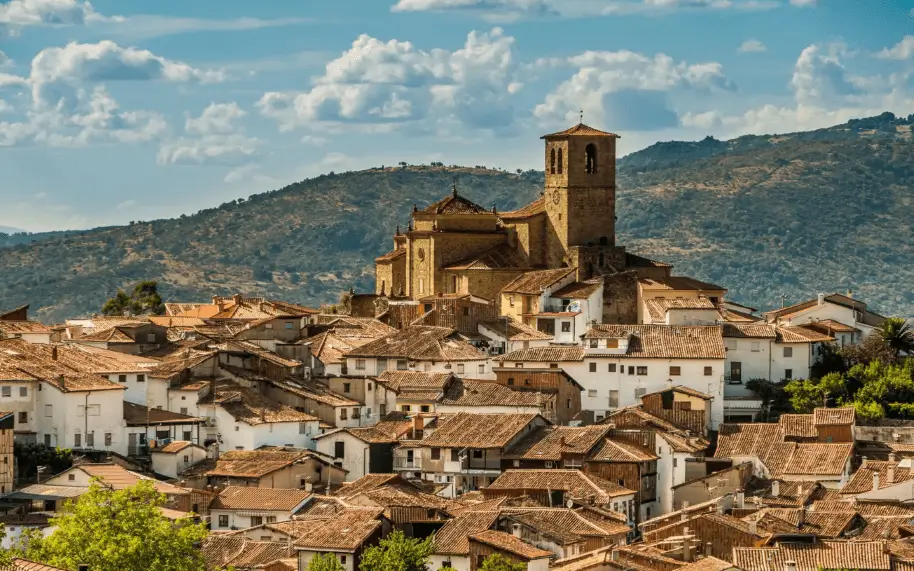
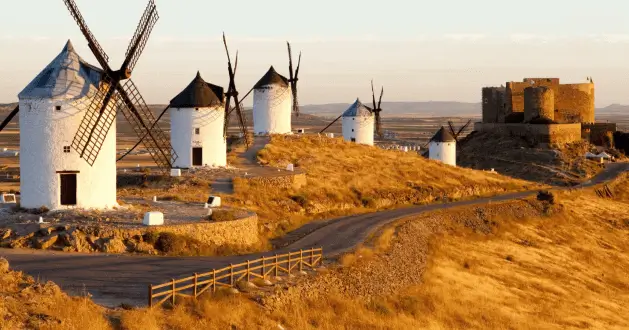
What our clients say in Andalusia
Verified Google reviews from businesses that have already worked with Marco Visual.

Hemos quedado satisfechos con la campaña de publicidad que contratamos con Marco Visual para el Conservatorio Superior de Danza de Alicante (CSDA) durante las Hogueras. La campaña contó con cuatro mupis diferentes, cada uno dedicado a un estilo de danza, una iniciativa para dar visibilidad a nuestro conservatorio y acercar la riqueza y diversidad de la danza a la ciudadanía. Destacamos la profesionalidad, la atención recibida y la buena gestión de todo el proceso. Porque la danza también merece ocupar las calles y formar parte de la ciudad. ¡Gracias a Marco Visual por ayudarnos a llevar nuestro arte más allá de las aulas!
Original review in SpanishSee on Google 1 / 4

Hemos trabajamos con Marco Visual para la campaña de apertura de nuestra nueva clínica en Molina de Segura, y la experiencia ha sido positiva. Negociamos directamente con ellos, sin intermediarios: el trato es cercano y las respuestas, rápidas. Necesitábamos resolver ubicaciones, formatos y plazos con poco margen de tiempo, y flexibilidad para adaptar la propuesta a lo que necesitábamos. Recomendado
Original review in SpanishSee on Google

Ha sido nuestra primera experiencia en implementar un MUPI, pensábamos que sería algo engorroso en cuanto al proceso y verdaderamente nos hemos confundido. La atención de Alejandro desde el primer momento ha sido rápida, precisa en las indicaciones y nos ha facilitado todo. Ademas agregar que el sistema que tienen implementado online para el seguimiento ha sido muy práctico, sabes el status de la campaña en todo momento, repetiremos!
Original review in SpanishSee on Google

Nuestra experiencia ha sido muy positiva. Queremos destacar especialmente la profesionalidad, rapidez y atención recibida durante todo el proceso. El equipo ha demostrado en todo momento una excelente disposición y un trato cercano y profesional. Mención especial para Alejandro M., por su amabilidad, eficacia y atención constante. Ha sido un placer contar con su ayuda y profesionalidad. Sin duda, recomendamos sus servicios y agradecemos el trato recibido.
Original review in SpanishSee on Google

Hemos quedado muy satisfechos con la campaña de publicidad exterior realizada con Marco Visual. Desde el primer momento, el trato ha sido cercano y profesional, facilitando todo el proceso y resolviendo nuestras dudas con rapidez. La gestión de la campaña ha sido ágil y eficiente, y el seguimiento durante toda la ejecución nos ha transmitido confianza. La instalación y el mantenimiento de los soportes se han realizado correctamente, cumpliendo con lo acordado. Agradecemos especialmente la atención recibida y la buena comunicación del equipo. Ha sido una experiencia muy positiva y no dudaríamos en contar con Marco Visual para futuras campañas.
Original review in SpanishSee on Google 1 / 2

La campaña que hemos hecho de publicidad exterior ha sido un éxito. La comunicación con Alejandro ha sido lo mejor, muy profesional y atento en todo momento con todos los detalles de la campaña. Repetiremos sin duda en unos meses.
Original review in Spanish See on Google
Explore other advertising formats at Marco Visual


