Outdoor advertising in the Valencian Community: sites in more than 25 towns and cities


Prices in the Valencian Community · per face per week
- 8x3 m billboardsfrom €78
- 6-sheet MUPIsfrom €112
- Bus sheltersfrom €112
Prices exclude VAT · printing and posting from €35 per face
Outdoor advertising sites in the Valencian Community
Across the Valencian Community we have more than 2,700 outdoor advertising sites: MUPI street panels (six-sheet size), bus shelters, billboards, large-format building wraps, monopole billboards, digital screens, street thermometers (time-and-temperature displays) and newspaper kiosk panels, with a presence in all three provinces and a particularly dense network in Valencia, Alicante, Elche and Castellón. The region has 5,425,182 inhabitants according to the 2025 municipal register of Spain's National Statistics Institute (INE), which makes it the country's fourth most populous region, and it is growing at 2% a year, the fastest rate in Spain in relative terms. The region is built around the AP-7 and A-7 motorways, which run the length of the coastal strip from Vinaròs to Orihuela and link the main towns and cities with Valencia (Manises) and Alicante-Elche airports, two of the busiest in the national network for international passengers, as well as with the port of Valencia, the leading commercial port in the Mediterranean, and the fishing harbours and marinas of Denia, Vinaròs, Santa Pola and Calpe. That combination of urban density, a heavily populated coastline and first-class infrastructure makes the region a very attractive market for campaigns that offer broad coverage and can, at the same time, be hyper-targeted by neighbourhood, comarca (district) or stretch of road.
Marco Visual has the bulk of its inventory in the city of Valencia, with close to 600 locations split between bus shelters, digital MUPIs, billboards on the main roads into the city and screens at the airport. In Alicante and Elche we have more than 200 sites in each city, while in Castellón the focus is on billboards at roundabouts and on the roads out of the city towards Villarreal, Burriana and Almazora. Coverage also takes in the coastal strip (Benidorm, Denia, Jávea, Calpe, Santa Pola, Peñíscola, Vinaròs, Benicàssim and Oliva), inland towns with their own industrial or commercial base (Alcoy, Xàtiva, Villarreal, La Vall d'Uixó and Burriana) and the municipalities of the Valencia and Alicante metropolitan areas. In Sagunto and Puerto de Sagunto, Puçol, La Pobla de Farnals, Xirivella, Sedaví, Bétera and San Vicente del Raspeig we run compact networks, useful for hyperlocal campaigns around shopping centres such as Bonaire, VidaNova Parc, Heron City Paterna, MN4 Alfafar, Plaza Mar 2, La Marina and Portal Mediterráneo, as well as for private healthcare services and neighbourhood shops.
The region's advertising calendar has pronounced peaks. Valencia's Fallas festival in March, inscribed by UNESCO as intangible cultural heritage of humanity, draws millions of visitors and multiplies the impact of urban advertising sites over fifteen packed days of events. In June, the Hogueras de San Juan (Alicante's midsummer bonfire festival) squeeze availability in Alicante and the Marina Baja, and the Moros y Cristianos in Alcoy (a festival of parades and mock battles), officially listed as of International Tourist Interest, are another very high-profile window for regional advertisers. The summer season sends demand soaring along the whole coastline (Benidorm can reach 400,000 people in August, Calpe and Jávea quadruple their population, and Peñíscola, Oliva and Santa Pola fill up in July and August), and events such as the Festival Internacional de Benicàssim (FIB, an indie music festival), the SanSan festival in Benicàssim, the Mediterrània Festival in Gandia and the Magdalena festivities in Castellón in March attract a young audience that is very receptive to outdoor campaigns. Valencia's Semana Santa Marinera in El Cabanyal (seafront Holy Week processions), the Moros y Cristianos in Oliva and the local patron-saint fiestas in every comarca complete a calendar in which almost every month offers a strong local hook for amplifying a campaign.
In our campaign planner you can check the price of MUPIs and every other advertising site, real photos, the exact location, Google Street View, descriptions and nearby points of interest, dimensions, print format… Best of all, you can filter the sites and pick the ones you want, then plan and book the outdoor advertising campaign
Some links open pages in Spanish
Looking for another area?
Explore the different outdoor advertising formats in the Valencian Community
Marco Visual is an online platform for managing and booking campaigns on outdoor advertising sites. Our website gives you all the information you need to plan and book an outdoor campaign. Get to know each site and its features: price, real photos, format, minimum booking period and other terms.
Outdoor sites are ideal for promoting events, with room on the ad for the venue, who is taking part and every other detail that matters. They are also widely used for branding, so that people start seeing a brand away from the screen and remember it better. Other common uses are launching offers (Black Friday, the sales, Christmas…) and opening new shops.
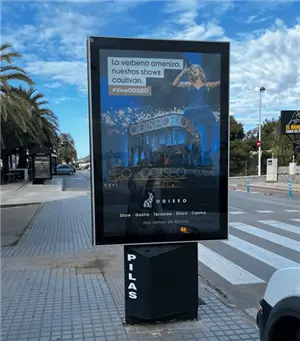
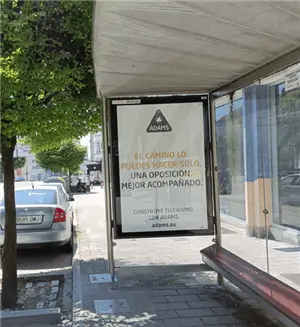
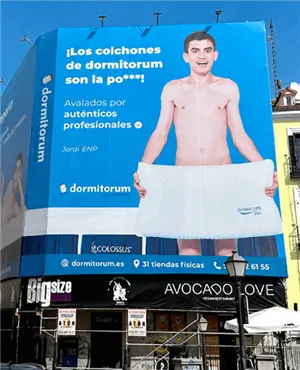
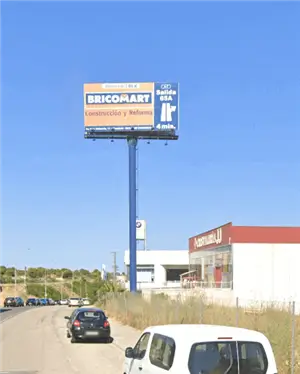
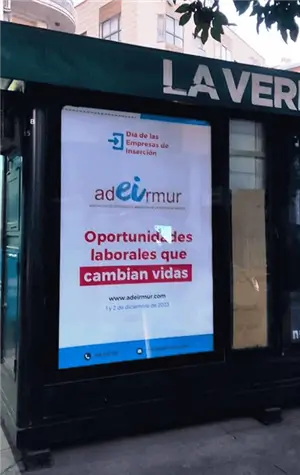
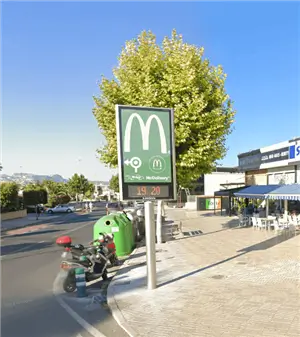
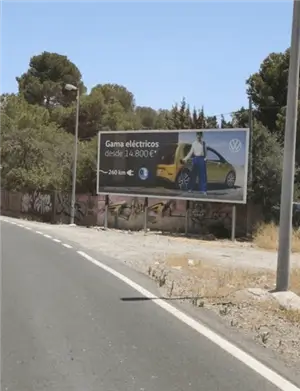
Here are some of our campaigns on different outdoor advertising sites:

The benefits of outdoor advertising in the Valencian Community
The consumer profile in the Valencian Community spans three very different markets that are worth bearing in mind when planning a campaign. The province of Valencia has close to 2.76 million inhabitants around the capital's metropolitan area and the Huerta (the irrigated market-garden belt), with urban consumers who have above-average purchasing power, use public transport every day (the metro and tram network, city buses and metropolitan buses) and drive a great deal on the approach roads: the A-3, the V-21 and the Pista de Silla. The province of Alicante (2.03 million) has one of the highest proportions of foreign residents in Spain, with very large British, German, Dutch, Belgian and Russian communities in the Marina Alta and the Vega Baja, which opens the door to campaigns in high-impact visual formats with messages adapted to international customers. Castellón (627,620 inhabitants) is a more industrial market, with the ceramics industry of the Plana Baja, the citrus groves and market gardens of the Plana Alta, tourism in the Maestrazgo and family-oriented consumers exposed to less advertising clutter than in the two southern provinces, which improves cost per impact in the north of the region for advertisers seeking province-wide coverage.
Seasonality is a decisive lever for SME advertisers and an opportunity found in few other places in Spain. Benidorm goes from 77,000 residents to more than 400,000 people in August; Calpe and Jávea quadruple their population; and towns such as Peñíscola, Oliva, Santa Pola, Alcossebre and Benicàssim see most of their annual spending in July and August, with footfall doubling or even tripling compared with the winter months. That turns a network of MUPIs along seafront promenades and main access roads into a direct tool for sectors such as restaurants, holiday lets, nightlife, theme parks (Terra Mítica, Aqualandia, Aquarama, Mundomar), local supermarkets, opticians, sailing schools, vehicle hire and private medical services catering to tourists. Around the big dates (Fallas, the Magdalena in Castellón, the Hogueras in Alicante, the Moros y Cristianos in Alcoy and Oliva, the Misteri d'Elx mystery play, the FIB music festival and the Mediterrània Festival), the cost per impact of physical sites falls noticeably thanks to the rise in footfall, which makes them more cost-efficient than digital-only campaigns and allows SMEs to make the most of high-intent trading periods that carry much lower volumes in other months. Good planning, four to six weeks ahead, secures the best sites at these peaks.
By sector, outdoor advertising works particularly well in the region for neighbourhood retail (supermarket chains such as Mercadona, which has its head office in Tavernes Blanques, plus Consum, Lidl and Carrefour Express), the motor trade (dealerships clustered in VidaNova Parc, the Catarroja industrial estate, Bonaire, the Ciudad del Transporte logistics park in Castellón and along the N-340 corridors), dental and aesthetic clinics (high density in Valencia, Alicante, Elche and the coastal towns with dental tourism), tuition centres and training institutions linked to the University of Alicante in San Vicente del Raspeig, the Politécnica (Valencia's polytechnic university) and the Universitat de València in the capital, the UJI in Castellón and the UMH in Elche (both public universities), and for very local sectors such as Costa Blanca tour operators, language schools in towns with a large foreign population (Jávea, Calpe, Alfaz del Pi and Denia), estate agents specialising in international property sales, wealth managers and local financial services. Combined with social media or local radio (Cope Valencia, Onda Cero Alicante, SER Castellón), outdoor provides the reach and coverage that digital platforms never quite manage at times such as the commute, the school run and a stroll through the town centre.
In your marketing and communications strategy, outdoor advertising sites are essential for reaching your audience. They are an excellent way to catch the eye of people out and about in town, thanks to well-chosen locations and high visibility.
- Eye-catching visual advertising with 24/7 visibility in high-traffic areas.
- Strategic locations on the city’s main streets and avenues.
- Wide coverage: a presence in Spain’s main cities and regions.
- High visibility in carefully chosen spots for the greatest impact.
- Geographic targeting: choose the areas and neighbourhoods where your target audience is.
- Greater brand awareness and trust.
- Flexibility for short and long campaigns.
- A non-intrusive medium that helps the message stick when combined with social media campaigns.
Some of the links in the areas below open pages in Spanish.
Outdoor advertising in Valencia
- Population: 840,792 inhabitants according to INE 2025 data
- Gender split: roughly 52% women and 48% men
- Average age: around 43
- Purchasing power: above average, with an economy based on services, tourism, port logistics and technology
- Economic activity rate: around 60%, with a strong presence in retail, hospitality, healthcare and public administration
- Relevance for advertising: the region's main urban market, with a constant flow of residents, students and tourists that multiplies the impact of outdoor campaigns
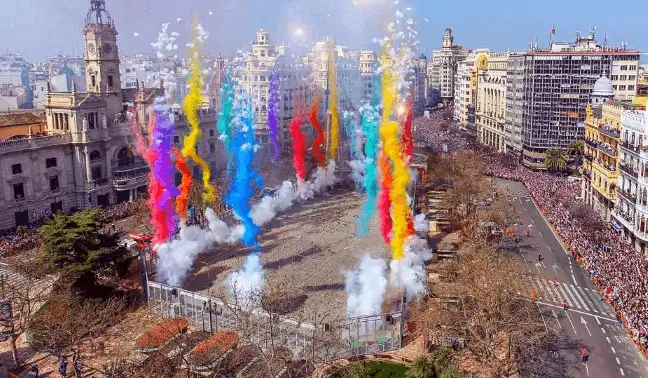
Valencia, the regional capital and the third-largest city in the country, has 840,792 inhabitants according to the 2025 municipal register of Spain's National Statistics Institute (INE) and anchors a metropolitan area of more than 1.6 million people. Its urban structure combines a dense historic centre (Ciutat Vella, Russafa, El Carmen) with heavily populated residential neighbourhoods (Benimaclet, Algirós, Camins al Grau, Patraix, Quatre Carreres) and a ring of seafront outlying districts such as El Cabanyal, La Malva-rosa and El Saler. The city has a strong university presence (Universitat de València, the Politécnica, Cardenal Herrera-CEU), three leading hospital campuses and events of global reach such as the Fallas in March, inscribed by UNESCO as intangible cultural heritage of humanity. Its links to the AP-7, the A-3, the A-7 and the V-21, together with Valencia airport at Manises and the commercial port, make it one of the busiest logistics hubs in the Mediterranean.
In Valencia we have around 600 sites, Marco Visual's largest inventory in the region. Bus shelters dominate (more than 260 of them), spread across every outlying district and neighbourhood, alongside MUPI networks in shopping and pedestrian areas, almost 90 large-format billboards on approach roads and ring roads, and a sizeable network of digital screens at the airport and on city avenues. Our locations include Avenida del País Valencià, Camino de Moncada, Avenida de las Tres Cruces, Avenida del Doctor Tomás Sala, Calle Pianista Amparo Iturbi, Camino de Malilla, Avenida de Aragón and Calle Trafalgar. We also cover the shopping areas around the El Corte Inglés department stores on Pintor Sorolla and Colón, the Heron City Paterna, Bonaire (in Aldaia) and Saler shopping centres, and roundabouts on the way into industrial estates such as Vara de Quart and Catarroja.
MUPIs in Valencia
MUPIs in Valencia work particularly well for campaigns in urban retail, private healthcare, fast-moving consumer goods and cultural events. Their portrait format and street-level position suit the pace of pedestrians in shopping areas and dense neighbourhoods, where the car takes a back seat and brands compete for attention with shop windows and shopfronts.
The main MUPI locations in Valencia are spread across Avenida del País Valencià, Calle Xàtiva, Paseo de la Pechina, Avenida del Reino de Valencia, Calle Bailén, Plaza de España and Avenida de Aragón, plus the area around the Politécnica in Tarongers and the neighbourhoods of Benimaclet, Algirós, Russafa and Patraix. We also cover Ciutat Vella around the Mercat Central, Avenida del Puerto, El Cabanyal and the approaches to shopping centres such as El Corte Inglés Colón.
Billboards in Valencia
Billboards in Valencia are concentrated on approach roads, ring roads and industrial estates, which makes them the format of choice for campaigns with broad coverage and a concise message: shop openings, new model launches at car dealerships, new-build property developments and anniversaries of shopping centres in the metropolitan area.
Highlights include the Pista de Silla (inbound and outbound), Avenida del Cid, Avenida Tres Cruces, the approaches to Bonaire in Aldaia, the V-21 corridor towards Sagunto, the area around the Catarroja industrial estate, the exit along Avenida del Saler towards the Oceanogràfic and the approaches to Mercavalencia (the wholesale food market) and the Feria de Valencia exhibition centre. We also cover roundabouts in Manises, Quart de Poblet and Mislata, all part of the inner ring of the metropolitan area.
Digital screens in Valencia
Digital screens in Valencia are the format with the most visibility and message rotation, for advertisers who want flexibility with their artwork or very specific time-of-day coverage. Density is highest at Valencia airport in Manises, on high-traffic avenues and inside shopping centres with a steady flow of visitors all year round.
We have screens at Valencia airport (departures terminal and boarding areas), in urban networks on premium bus shelters along central avenues, and on sites around Bonaire, Heron City Paterna and MN4 Alfafar. We also have digital sites next to Feria Valencia and on the approaches to the Roig Arena and the City of Arts and Sciences, two event hubs with a high concentration of target audiences.
Outdoor advertising in Alicante
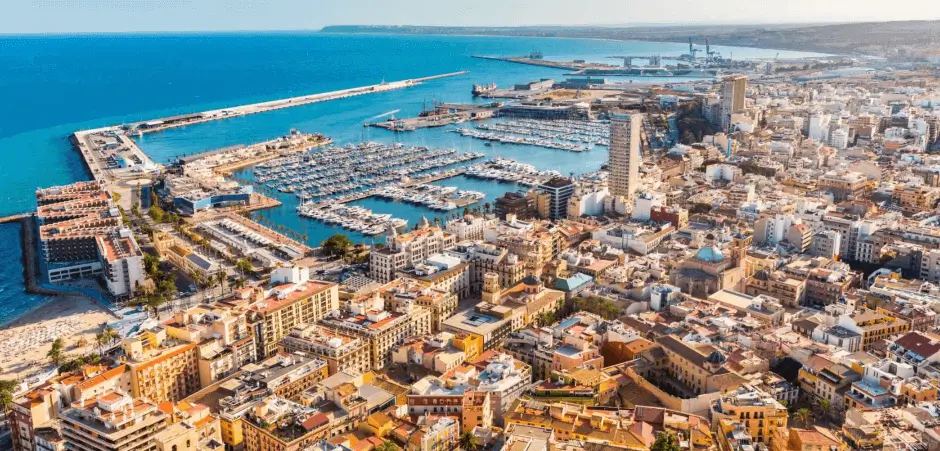
- Population: 366,221 inhabitants according to INE 2025 data
- Gender split: roughly 51% women and 49% men
- Average age: around 43
- Purchasing power: average, with an economy based on services, tourism, retail and the presence of European bodies such as the EUIPO
- Economic activity rate: around 58%, weighted towards services and public administration
- Relevance for advertising: a port city with a constant flow of visitors and a conurbation of more than 500,000 people that greatly extends the reach of urban campaigns
Alicante is the second-largest city in the Valencian Community and the tenth-largest in Spain, with 366,221 inhabitants according to 2025 data from Spain's National Statistics Institute (INE), an average age of 43 and a conurbation with San Vicente del Raspeig, San Juan, Mutxamel and El Campello that tops half a million people. Its economy rests on a dominant service sector (retail, tourism and healthcare, plus the headquarters of the EUIPO, the EU's trade mark and design office, and of Casa Mediterráneo, a Spanish public diplomacy body), a commercial and cruise port that is busy all year round, and Alicante-Elche airport, the fifth busiest in Spain for international passengers. The Hogueras de San Juan, officially listed as of International Tourist Interest, are the highlight of the June calendar, bringing in enough visitors to fill hotels, café terraces and shops.
In Alicante we have around 200 sites, with a mix dominated by MUPIs (more than 130 of them) and a sizeable network of digital screens and billboards on the approach roads. Our locations cover the Alicante-Madrid motorway next to Mercalicante (the wholesale food market), Avenida del Pintor Gastón Castelló opposite the slip road onto the A-70, Avenida Jaime I (Vía Parque), Calle Aurelio Ibarra next to the Hércules Rico Pérez stadium, Avenida de Novelda, Calle Artista del Fuego Ramón Marco opposite Gran Vía shopping centre, Avenida Alcalde Lorenzo Carbonell and the areas around San Juan and Albufereta beaches. We also cover the airport corridor and the approaches to shopping centres such as Plaza Mar 2 and the El Corte Inglés department store on Avenida Maisonnave.
MUPIs in Alicante
MUPIs are Alicante's flagship format and the one local advertisers ask for most. They work both for brand awareness campaigns and for one-off promotions by city-centre shops, restaurants, private healthcare providers and services for foreign residents, especially in the months when British, Dutch and Norwegian tourists arrive in the greatest numbers.
Standout locations include Avenida de Novelda, Avenida del Pintor Gastón Castelló, Calle Aurelio Ibarra next to the Rico Pérez stadium, Avenida de Jijona, Avenida de Alfonso el Sabio, the Babel neighbourhood, Avenida Pintor Baeza, Avenida de Denia, the approaches to Postiguet beach and the Maisonnave shopping area. We also cover the university area along Avenida de la Universidad and the corridors towards San Juan and Muchavista beach.
Bus shelters in Alicante
Bus shelters in Alicante cover the routes of the city bus network, linking residential neighbourhoods, university hubs and shopping areas. Because passengers linger at them while they wait, they suit messages that take a little longer to read: education, healthcare, financial or professional services campaigns.
The main locations are concentrated on Avenida Aguilera, Avenida de la Estación, Avenida de Maisonnave, Avenida de Loring, Avenida de Denia and the routes to the Hospital General and the Hospital Universitario de Sant Joan d'Alacant. We also cover stops on the approaches to the University of Alicante campus in San Vicente del Raspeig and along the San Juan beach corridors.
Billboards in Alicante
Billboards in Alicante are sited on urban approach roads, at industrial estate roundabouts and along the A-7, A-70 and N-332 corridors. They are the right format for bold, simple messages: new car model launches, shop openings, regional campaigns by telecoms operators and restaurant chains with several outlets in the province.
Our locations include the Alicante-Madrid motorway next to Mercalicante, the access roads to the A-70 towards Murcia and Valencia, the area around Plaza Mar 2, the approaches to the commercial port and the airport, the exit roundabouts of the Atalayas industrial estate and the corridor along Avenida de Elche, outbound towards the AP-7.
Bus advertising in Alicante
In Alicante we also wrap city and metropolitan buses: a large side panel or a full wrap, in 4-week blocks, on the route that best covers your area. The dedicated page shows six sample routes with their itineraries and prices.
Outdoor advertising in Elche
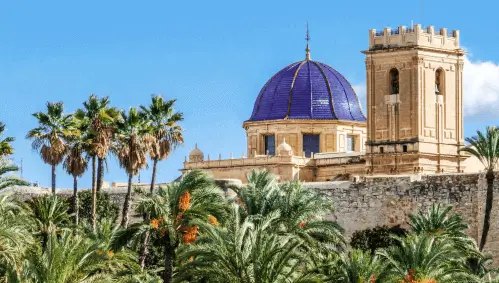
- Population: 245,557 inhabitants according to INE 2025 data
- Gender split: roughly 51% women and 49% men
- Average age: around 42
- Purchasing power: average, with a diversified industrial economy spanning footwear, rubber, clothing and services
- Economic activity rate: around 57%, weighted towards manufacturing and retail
- Relevance for advertising: the third-largest city in the region, with two UNESCO designations and a conurbation with Alicante that extends the reach of regional campaigns
Elche is the third-largest city in the Valencian Community and the nineteenth-largest in Spain, with 245,557 inhabitants according to 2025 data from Spain's National Statistics Institute (INE). The capital of the Bajo Vinalopó comarca, it holds two UNESCO designations: the Palmeral, Europe's largest urban palm grove with more than 200,000 trees, and the Misteri d'Elx, a sacred lyric drama staged every August in the Basilica of Santa María. Its economy retains a strong industrial base in footwear, rubber and clothing, alongside a growing service sector and Miguel Hernández University, which has a campus in the city centre. The conurbation with Alicante along the A-7 and the proximity of Alicante-Elche airport at El Altet (8 km from the centre) add to its weight as the second urban hub in the south of the region.
In Elche we have around 200 sites with a very balanced mix: bus shelters are the most numerous format (more than 100 of them), followed by MUPIs (close to 70) and a solid network of billboards on the approach roads. We cover Avenida del Alcalde Ramón Pastor, Carretera de Los Dolores opposite Lidl heading towards Santa Pola, Avenida de Novelda, Paseo de la Estación next to the tourist office, Avenida de la Universidad, Calle Antonio Machado, Plaza de Benidorm and Avenida de la Libertad. Coverage also reaches the Carrús industrial estates, the area around the Hospital General Universitario and the Hospital del Vinalopó, the Miguel Hernández University campus, and the coastal outlying districts of Arenales del Sol and El Altet, which are linked to the rest of the municipality by the N-332 and the CV-865 and lie very close to Alicante-Elche airport.
MUPIs in Elche
MUPIs are the preferred format in Elche for advertisers in city-centre retail, private healthcare and professional services. Heavy footfall in the Glorieta square, Calle Reina Victoria, Paseo de la Estación and the streets around the Basilica of Santa María delivers a large number of daily impacts for local campaigns.
The main MUPI locations in Elche are spread across Paseo de la Estación next to the tourist office, Plaza de Benidorm, Avenida de la Universidad by the motorway exit, Avenida de la Libertad, Calle Antonio Machado, Plaza de Madrid, the Carrús neighbourhood and the approaches to the Hospital General Universitario and the Hospital del Vinalopó.
Bus shelters in Elche
Bus shelters in Elche cover the city bus routes that link the city centre with the outlying districts and the industrial estates. They are the format that combines cost and continuous exposure most effectively for local and regional advertisers, especially at school-run and commuting times.
We have stops on Avenida del Alcalde Ramón Pastor, Avenida de Novelda, Avenida de Santa Pola, Carretera de Crevillente, Avenida de la Libertad and the corridors towards the Carrús and Torrellano industrial estates. Coverage also includes the outlying districts of Torrellano, Arenales del Sol and El Altet, close to the airport.
Billboards in Elche
Billboards in Elche stand on the approach roads into the city from the A-7 and the N-340, at roundabouts in industrial areas and along the airport corridor. They are the right format for messages with comarca-wide reach and for advertisers with several outlets in the south of the province.
Highlights include Carretera de Los Dolores opposite Lidl heading towards Santa Pola, the roundabout on Avenida del Alcalde Ramón Pastor heading towards Crevillente, the N-340 by the car dealerships and the Repsol petrol stations, the approaches to L'Aljub shopping centre and the Carrefour hypermarket, and the CV-91 corridors towards Torrellano and the airport.
Outdoor advertising in Castellón
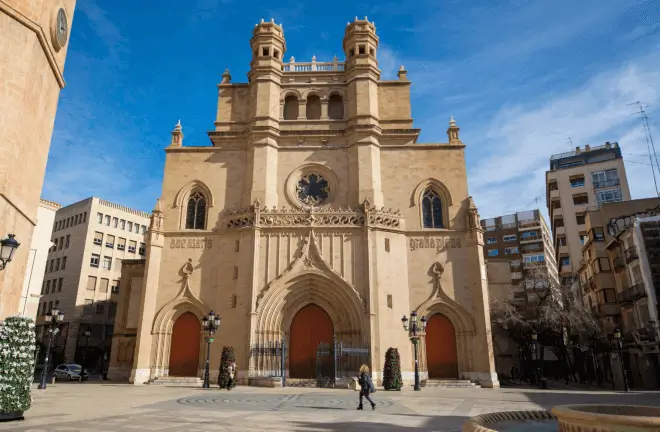
- Population: 183,711 inhabitants according to INE 2025 data
- Gender split: roughly 51% women and 49% men
- Average age: around 43
- Purchasing power: average, with an economy based on public administration, the university and the port, backed by the comarca's ceramics industry
- Economic activity rate: around 58%, with a strong presence in services, public administration and education
- Relevance for advertising: a provincial capital with a functional urban area of more than 240,000 people and less advertising clutter than the two southern capitals
Castellón de la Plana, capital of the province of the same name, has 183,711 inhabitants according to 2025 data from Spain's National Statistics Institute (INE) and anchors a functional urban area of more than 240,000 once Almazora, Villarreal, Benicàssim, Borriol and Burriana are included. The city is split between the historic centre, around Plaza Mayor and the Fadrí bell tower, and the Grao port district, 4 kilometres from the centre, which gives it two complementary advertising hubs. Its economy combines the regional administration, Jaume I University (UJI), the industrial port, the neighbouring ceramics industry and strong urban retail around Paseo de Ribalta and Avenida del Rey Don Jaime. The Magdalena festival in March draws hundreds of thousands of people every year to its opening pageants, to the pilgrimage and to the parades of gaiates (illuminated lantern floats).
In Castellón, Marco Visual's inventory is dominated by billboards (close to 140 of them), reflecting a city heavily structured around approach roads, roundabouts and industrial estates. We cover Avenida Villarreal next to Parque Ribalta and El Corte Inglés, Plaza María Agustina opposite the Subdelegación de Gobierno (the central government's office in the province), Avenida del Mar at its roundabout with Ronda Este, Avenida de Benicàssim at the roundabout by the Castalia stadium, Plaza Botánico Calduch on Ronda Mijares, Avenida de Valencia at Calle Pascual Asensio, and Avenida del Puerto del Grao where it crosses Paseo Buenavista. Full coverage includes a network of MUPIs in pedestrian areas, bus shelters along the university corridors towards the UJI campus at Riu Sec, sites around the Hospital Provincial and the Hospital General Universitari, and locations in the Serrallo and Castellón Sur industrial estates.
MUPIs in Castellón
MUPIs in Castellón work as a local, street-level format in pedestrian areas, shopping streets and around the university. With a lower density than in Valencia and Alicante, each advertiser can secure a good share of voice for campaigns in city-centre retail, private healthcare and cultural events.
The main MUPI locations in Castellón cover the area around Paseo Ribalta and El Corte Inglés, Avenida del Rey Don Jaime, Calle Mayor, the university neighbourhood and the corridor along Avenida del Mar towards the Grao. We also cover the streets near Plaza de la Independencia and Plaza Santa Clara, which are among the main shopping hotspots in the city centre.
Billboards in Castellón
Billboards in Castellón are the most widely represented format in the city's inventory and the most effective for advertisers seeking province-wide coverage. Their locations catch the flow of people coming into the capital from the AP-7, the N-340 and the corridors towards Villarreal, Burriana and Almazora.
Notable sites include Avenida Villarreal next to Parque Ribalta, Plaza María Agustina beside the Subdelegación de Gobierno, Avenida del Mar at the roundabout on Ronda Este, Avenida de Benicàssim at the roundabout by the new Castalia stadium, Avenida de Valencia at Calle Pascual Asensio, the 'La Silla' roundabout by the San Roque housing estate and Avenida del Puerto in the Grao, next to Paseo Buenavista.
Bus shelters in Castellón
Bus shelters in Castellón are concentrated along the corridors linking the city centre with the Grao and with the Jaume I University campus, which makes them an attractive format for advertisers in education, healthcare and retail.
The main stops are on Avenida del Mar (including the Donación-Palo Blanco stretch, with traffic heading towards the Grao), Avenida del Rey Don Jaime, Avenida de Lledó, Ronda Mijares and the routes to the Hospital Provincial and the UJI.
Outdoor advertising in Benidorm
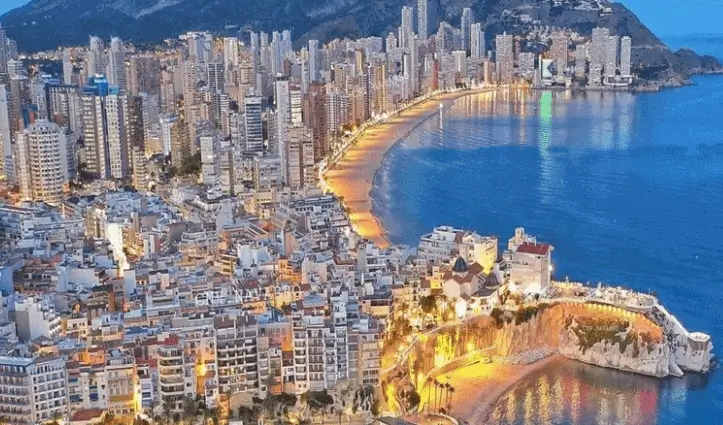
- Population: 77,327 inhabitants according to INE 2025 data, with summer peaks of more than 400,000
- Gender split: roughly 50% women and 50% men
- Average age: around 47 among residents, younger among visitors
- Purchasing power: above average, with an economy 100% geared towards tourism, hospitality and leisure
- Economic activity rate: around 55%, heavily concentrated in services and hospitality
- Relevance for advertising: a leading Mediterranean tourist destination, with a constant flow of domestic and international visitors all year round
Benidorm is the tourism capital of the Valencian Community and the Costa Blanca, with 77,327 inhabitants according to 2025 data from Spain's National Statistics Institute (INE) and growth of 3.5% in 2024, the third highest in Spain. Its skyline, the highest concentration of skyscrapers per inhabitant in the country, defines a destination that at its peak hosts more than 400,000 people in August, spread across residents, second homes and hotels. The economy revolves entirely around tourism, with two large theme parks (Terra Mítica and Aqualandia), a marina at Poniente and an unbroken stretch of hotels along the Levante, Poniente and Mal Pas beaches. Its links with Alicante via the AP-7 and the N-332 and with Denia by tram, along with exit 65 of the motorway, sustain a constant flow of visitors throughout the year.
In Benidorm we work with around 113 sites, clearly dominated by MUPIs (60 of them) and bus shelters (close to 50). The network runs along the main arteries: Avenida de Europa, Avenida de la Comunidad Valenciana where it crosses Avenida de la Comunidad Europea opposite the petrol station, Calle Gerona at its junctions with Calle L'Ametlla and Calle Castellón, Avenida Severo Ochoa at Avenida Ciudad Real, Avenida Filipinas around the Hotel Venus and the Levante pubs, Calle Almendros by Parque de Elche and the hotel approaches in the Levante and Poniente areas. Coverage also reaches residential estates inland and the routes to La Marina shopping centre, just over the boundary in the municipality of Finestrat.
MUPIs in Benidorm
MUPIs in Benidorm have a profile like nowhere else in the region: they are aimed both at local residents and at visitors with a strong intention to spend and plenty of time out on the street. They work especially well for restaurants, nightlife, theme parks, vehicle hire, excursions and medical services for tourists.
The main MUPI locations in Benidorm cover Avenida de Europa, Avenida del Mediterráneo, Avenida de Filipinas, Calle Gerona, Avenida de la Marina Española, the approaches to Levante and Poniente beaches, and the hotel corridors of Rincón de Loix and Tossal de la Cala.
Bus shelters in Benidorm
Bus shelters in Benidorm cover the city bus network that links the hotels with the beach, the town centre and the theme parks. Given the average waiting time and the constant turnover of visitors waiting for transport, they are a very effective format for short or two-week tourism campaigns.
We cover stops on Avenida Severo Ochoa, Avenida Filipinas, Avenida de la Comunidad Valenciana, Calle Castellón, Calle L'Ametlla and the corridors towards Terra Mítica, the Hospital de Levante and La Marina shopping centre.
Outdoor advertising in Denia
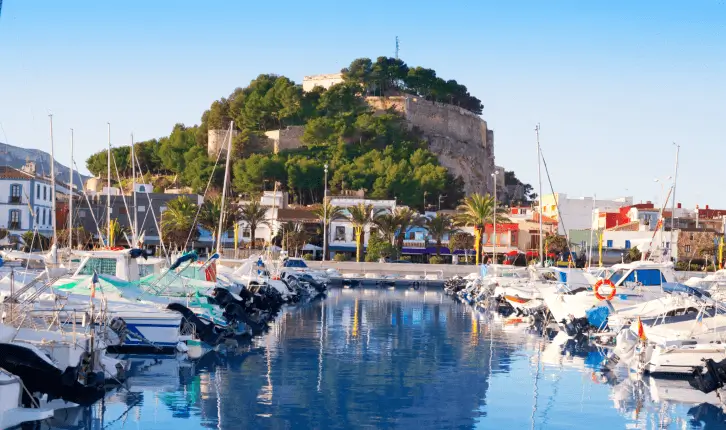
- Population: 47,261 inhabitants according to INE 2025 data, with summer peaks of more than 200,000
- Gender split: roughly 51% women and 49% men
- Average age: around 45
- Purchasing power: above average, with an economy based on tourism, gastronomy, retail and international residents
- Economic activity rate: around 55%, very heavily weighted towards services and hospitality
- Relevance for advertising: UNESCO Creative City of Gastronomy, with visitors who have above-average purchasing power and long exposure to outdoor advertising
Denia, capital of the Marina Alta comarca, has 47,261 inhabitants according to 2025 data from Spain's National Statistics Institute (INE), a figure that grows fivefold in summer to more than 200,000 visitors. It is the Spanish municipality of under 50,000 inhabitants that receives the most summer visitors, and an active port with ferry services to Ibiza and Formentera, with several sailings a day in high season. Recognised by UNESCO as a Creative City of Gastronomy since 2015, it is home to three restaurants with Michelin stars (three-star Quique Dacosta, El Baret de Miquel Ruiz and Peix & Brases) and lively town-centre shopping around Marqués del Campo and Calle Loreto. Links with Valencia and Alicante via the AP-7 (exit 62) and with Benidorm by tram keep visitors arriving steadily all year round.
In Denia we have around 77 sites, the clear majority of them MUPIs (close to 70). The network covers Avenida de Alicante at Avenida de Valencia, Marqués del Campo along its Sant Telm stretch and by the station, Paseo del Saladar at Avenida Marquesado, Plaza París, Calle Patricio Ferrándiz at its roundabout by the ferry company's head office and where it crosses Calle Manuel Lattur, as well as the Cruz Roja and port entrance roundabouts. We also cover the corridors towards Les Marines and Les Bovetes beaches, the Las Rotas area and the approaches to the castle and the bullring. It is exactly the right inventory for advertisers in restaurants, holiday lets, gourmet food shops, marine leisure, diving schools, international estate agents and private medical services with a tourist clientele.
MUPIs in Denia
MUPIs in Denia reach a particularly attractive audience: residents with above-average purchasing power, second-home visitors who stay for long periods and a large number of domestic and international tourists. They work very well for gastronomy, gourmet retail, private medical services, cultural events and marine leisure campaigns.
The main MUPI locations in Denia are spread across Marqués del Campo and Sant Telm, Paseo del Saladar, Avenida de Valencia, Avenida de Alicante, Plaza París, Calle Patricio Ferrándiz next to the ferry company's head office, the Cruz Roja roundabout and the approaches to the port and the castle. We also cover the Las Rotas area and the corridors towards Les Marines and Les Bovetes beaches.
Bus shelters in Denia
Bus shelters in Denia cover the town and district bus routes that link the town centre with the port, the beaches and the nearby towns of the Marina Alta. With continuous exposure and long waits in the summer season, they are a very useful format for tourism and healthcare campaigns.
Our stops include Avenida del Cid, Avenida de Alicante, Avenida del Doctor Manuel Lattur and the corridors towards Jávea and Pego, as well as the Les Marines area in the direction of the beach.
Outdoor advertising in Villarreal
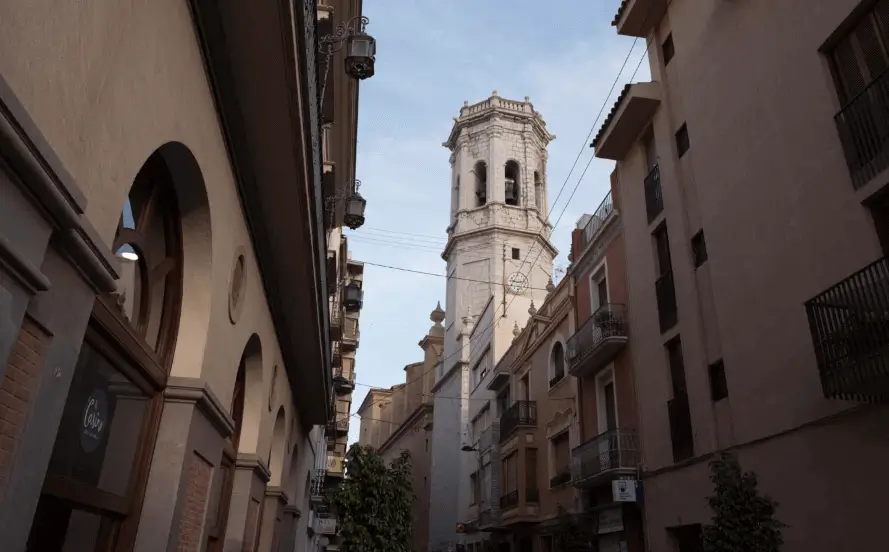
- Population: 53,623 inhabitants according to INE 2025 data
- Gender split: roughly 50% women and 50% men
- Average age: around 42
- Purchasing power: average, with an industrial economy highly specialised in ceramics and citrus fruit
- Economic activity rate: around 60%, heavily weighted towards manufacturing and its associated logistics
- Relevance for advertising: the second-largest municipality in the province of Castellón and the heart of the ceramics cluster, with an international brand strengthened by Villarreal CF
Villarreal, the second-largest municipality in the province of Castellón, has 53,623 inhabitants according to 2025 data from Spain's National Statistics Institute (INE) and is the industrial heart of ceramics in the Plana Baja. It combines a historic town centre, founded by James I of Aragon in 1274, with a powerful business base in ceramic floor and wall tiles that makes it one of Spain's leading industrial clusters. Villarreal CF, winner of the Europa League in 2021, is known across Europe and beyond, which has helped give the town a level of brand recognition that is hard to match for a place of its size. The CV-10 (the Plana motorway) to Castellón and the AP-7 to Valencia carry commuter and business traffic all year round.
In Villarreal we work with around 65 sites, split between 46 MUPIs and 19 billboards. The locations take in the main urban thoroughfares: Avenida Francesc Tárrega at Calle Aragón, Avenida de Francia at its roundabout with Avenida del Mediterráneo, Avenida Italia at its roundabout with Avenida Pío XII, Avenida de Alemania by the school, Avenida de la Mura opposite the former Opencor store, Avenida Pío XII at Calle Reina Violant d'Hongria, Avenida de Europa at Avenida de Portugal, and Avenida Italia next to McDonald's. Coverage also extends to the area around the Estadio de la Cerámica, the ceramics industrial estates on the eastern side of the municipality and the corridors towards the Hospital Universitario de la Plana and the UJI campus in Castellón. It is a very useful network for industrial advertisers, the motor trade, local retail, professional services, private healthcare and campaigns aimed at fans on Champions League match days at the Estadio de la Cerámica.
MUPIs in Villarreal
MUPIs are the dominant format in Villarreal. They connect well with working families on their daily trips to school, to the shops in the town centre and to the surrounding industrial estates. They work especially well for financial services, private healthcare, small neighbourhood shops and education.
The main MUPI locations in Villarreal cover Avenida Francesc Tárrega, Avenida Italia, Avenida Pío XII, Avenida de Alemania, Avenida de Europa at Avenida de Portugal, and Avenida de la Mura. We also cover the corridors towards the Estadio de la Cerámica and the approaches to the surrounding industrial estates.
Billboards in Villarreal
Billboards in Villarreal make the most of the constant traffic between the town centre, the ceramics industrial estates and the junctions with the AP-7 and the CV-10. They are the right format for industrial advertisers and for regional campaigns covering Castellón, Burriana and Almazora.
Highlights include Avenida de Francia at Avenida del Mediterráneo, Avenida Italia at Avenida Pío XII, the Vila-real roundabout, Avenida de la Mura and the approaches to the industrial area between Villarreal and Onda.
Outdoor advertising in Xàtiva
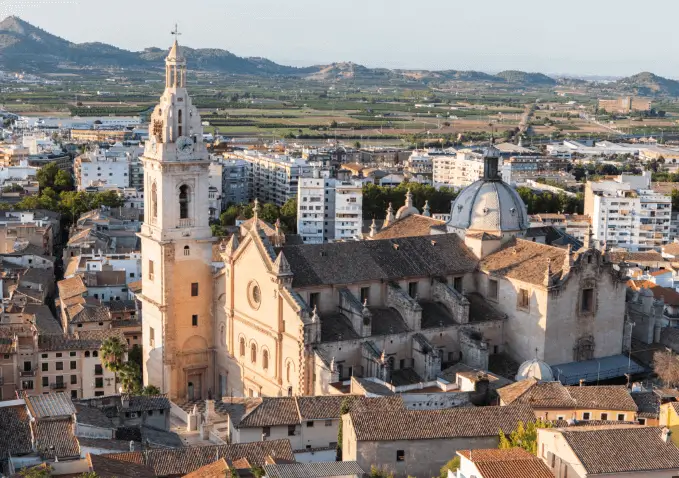
- Population: 31,008 inhabitants according to INE 2025 data
- Gender split: roughly 51% women and 49% men
- Average age: around 44
- Purchasing power: average, with an economy based on services, retail, comarca-level administration and cultural tourism
- Economic activity rate: around 55%, heavily weighted towards retail and public administration
- Relevance for advertising: a comarca capital with an integrated urban area of more than 60,000 people and a rail junction on the Valencia-Madrid line
Xàtiva, capital of the comarca of La Costera, has 31,008 inhabitants according to 2025 data from Spain's National Statistics Institute (INE) and anchors an integrated urban area of more than 60,000 once the nearby municipalities of Canals, La Llosa de Ranes, Genovés, Manuel and Rotglà i Corberà are added. Birthplace of the Borgia popes Callixtus III and Alexander VI, it retains a remarkable historic heritage dominated by its double castle (Castell Major and Castell Menor), the collegiate church of Santa María, the paintings in the Museo del Almudín and an old town listed as a Bien de Interés Cultural (Spain's highest heritage listing). The town is a major rail junction on the Valencia-Madrid line, with an AVE high-speed train connection at Vélez Rubio and road links via the A-7 towards Valencia, the N-340 and the CV-40 towards La Ribera. Its Fira d'Agost (the August fair), officially listed as of Regional Tourist Interest, fills the town every summer and is one of the year's main peaks in advertising demand.
In Xàtiva we have around 50 sites, in a very varied mix: MUPIs (23), bus shelters (10), billboards (7), monopole billboards and building wraps. The network covers the main ways into town along Calle de la Bola and through the main entrance on Calle Dchaida e Izquierda, Plaza Andrés Estellés at Calle Beata Inés, Calle Ausiàs March next to the health centre, Albereda Jaume I along its Portal Sant Francesc stretch and opposite the Correos post office, as well as the corridors towards the railway station, the cemetery road and the El Pla and Inca industrial estates. It is a very complete inventory for advertisers who need comarca-wide coverage in La Costera, La Vall d'Albaida and La Ribera, and for campaigns by the comarca's retailers, the motor trade, vocational training providers and the healthcare services of the Hospital Lluís Alcanyís.
MUPIs in Xàtiva
MUPIs in Xàtiva are an ideal local, street-level format for retailers serving the comarca as well as restaurants and professional services. Their density along Albereda Jaume I, Calle Bola and the pedestrian streets of the town centre gives them good exposure during shopping hours.
The main MUPI locations in Xàtiva cover the principal way into town along Calle de la Bola, Plaza Andrés Estellés, Calle Beata Inés, Calle Ausiàs March next to the health centre, Albereda Jaume I and the approaches to the railway station and to the Lluís Alcanyís district hospital.
Bus shelters in Xàtiva
Bus shelters in Xàtiva follow the town and comarca routes linking the town centre to the railway station, to the hospital and to the industrial estates. They are useful for education, healthcare or retail campaigns with a local focus.
Our stops include Avenida Selgas, Avenida Jaume I, the El Pla industrial estate corridors and routes to Canals and La Llosa de Ranes.
Billboards in Xàtiva
Billboards in Xàtiva stand on the approach roads from the A-7 and the N-340 and at industrial estate roundabouts, which makes them the right format for advertisers with comarca-wide or province-wide coverage.
Highlights include the roundabout at the main entrance to the town, the exit towards Canals and the approaches to the service stations and car dealerships on the El Pla industrial estate.
Outdoor advertising in Gandia
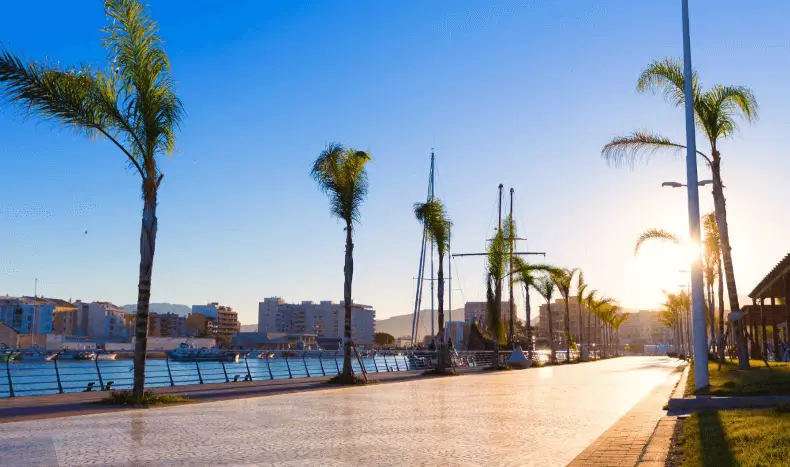
- Population: 83,135 inhabitants according to INE 2025 data, with sharp summer peaks
- Gender split: roughly 51% women and 49% men
- Average age: around 42
- Purchasing power: average, with an economy based on services, tourism, retail and citrus exports
- Economic activity rate: around 56%, weighted towards retail, hospitality and comarca-level administration
- Relevance for advertising: the city with the second-fastest population growth in Spain in 2024 and the main tourist and retail hub in the south of the province of Valencia
Gandia, capital of the comarca of La Safor, has 83,135 inhabitants according to 2025 data from Spain's National Statistics Institute (INE) and grew by 3.6% in 2024, the second-highest rate among Spain's main cities after Torrevieja. It combines a historic town centre linked to the Borgia family, with the Collegiate Church of Santa María, the Ducal Palace and the Convent of San Roque, and a beach district, the Grau de Gandia, whose population multiplies several times over in summer and which has a dense cluster of hotels and restaurants, plus a busy nightlife scene, around Paseo Marítimo Neptuno. Valencia is reached by commuter rail (Cercanías line C-1, which terminates in Gandia and runs three trains an hour), by the AP-7 (exit 60) and by the N-332 towards Denia. Its commercial port is one of the busiest in the Mediterranean for citrus exports and handles significant industrial traffic.
In Gandia we have around 45 sites, mostly MUPIs (37 of them), plus bus shelters and the occasional billboard on the approach roads. The network covers Avenida de la Estación next to the entrance to the railway station, Calle Ciutat Lavall where it crosses Paseo Germanías, Avenida de las Esclavas opposite the CEIP Benipeixcar state primary school, Ronda de l'Anella at Calle Tetuán, Avenida del Mar at Avenida Blasco Ibáñez, Avenida Blasco Ibáñez at Calle del Furs, Avenida de Alicante at Camino del Molí, and the corridors towards the Grau and the beach. Coverage also includes the Gandia campus of the Polytechnic University of Valencia, the Hospital Francesc de Borja and the main approaches to shopping areas. It is a very useful inventory for advertisers in retail, restaurants, private healthcare, hospitality on the coast and cultural events such as the SanSan music festival, the Pirata Beach Fest or the Mediterrània Festival.
MUPIs in Gandia
MUPIs are the most numerous format in the Gandia inventory and cover both the historic centre and the corridor down to the beach. They work especially well for campaigns by town-centre shops, restaurants, coastal hospitality, medical services and cultural events such as SanSan or the Mediterrània Festival.
The main MUPI locations in Gandia are spread across Avenida de la Estación, Paseo Germanías, Avenida Blasco Ibáñez, Avenida del Mar, Avenida de Alicante, Ronda de l'Anella and the approaches to the Grau and to Gandia and Venècia beaches.
Bus shelters in Gandia
Bus shelters in Gandia connect the historic centre with the Grau and the beach, as well as with the outlying districts and the university routes serving the Gandia campus of the Polytechnic University of Valencia. They are a good fit for education, healthcare and retail campaigns.
We cover stops on Avenida Blasco Ibáñez, Avenida del Mar, Avenida de Alicante, Avenida de la Generalitat and the corridors towards the Grau, the Hospital Francesc de Borja and the university campus.
Outdoor advertising in Alcoy
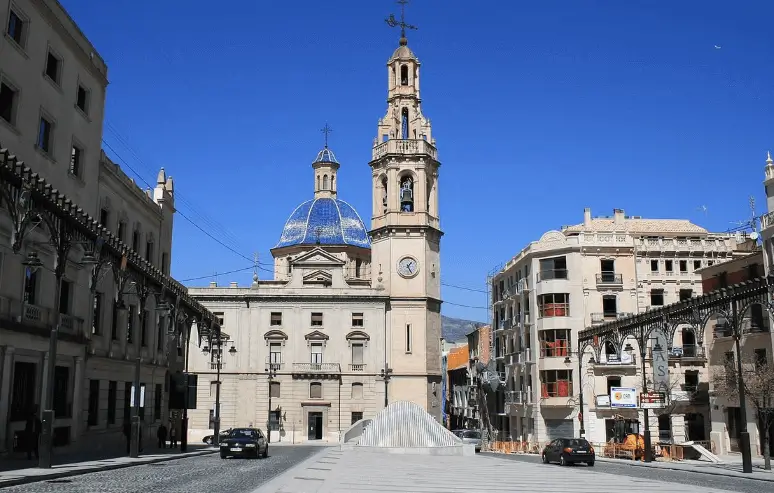
- Population: 61,468 inhabitants according to INE 2025 data
- Gender split: roughly 51% women and 49% men
- Average age: around 45
- Purchasing power: average, with a diversified industrial economy and a growing share of services and university education
- Economic activity rate: around 55%, spread across manufacturing, retail and education
- Relevance for advertising: the region's twelfth-largest municipality and the leading town in its comarca, with two university campuses and one of the most internationally renowned Moros y Cristianos festivals
Alcoy, capital of the Hoya de Alcoy comarca, has 61,468 inhabitants according to 2025 data from Spain's National Statistics Institute (INE), its highest population figure since 2008. It is a historically industrial town, with a base in textiles, metalworking, paper and food, and it retains the head offices of well-known snack brands such as La Española and El Serpis, as well as a centuries-old tradition of turrón (Spanish nougat). Known as the 'city of bridges' because of its terrain, cut through by ravines, it is the setting for the Moros y Cristianos festival in April, officially listed as of International Tourist Interest and one of the strongest trading periods of the year in the province of Alicante, with thousands of visitors at its parades. It has campuses of the Polytechnic University of Valencia (the Alcoy Higher Polytechnic School, EPSA) and of the University of Alicante, as well as the Escola d'Art i Superior de Disseny (a school of art and design), which makes it a significant university hub with a floating student population of around 2,000.
In Alcoy we have around 43 sites in a fairly balanced mix: bus shelters (20 of them), MUPIs (18), billboards and street thermometers. We cover Calle Alicante on the N-340 next to Lidl, heading towards Alicante, by the Shell petrol station, Calle Alicante along the stretch by the Beniatá industrial estate, Calle Valencia at Calle San Juan Bosco, the Viaducto del EPSA bridge, Calle Espronceda, Plaza de España opposite the entrance to the Calderón theatre, and Avenida del País Valencià. Coverage also extends to the area around the Hospital Verge dels Lliris, the corridors towards the Sierra de Mariola and the approaches to the Cotes Altes and Beniatà industrial estates, on the outskirts of the municipality. It is a useful inventory for industrial advertisers, the motor trade, retailers serving the comarca and events during the Moros y Cristianos season.
MUPIs in Alcoy
MUPIs in Alcoy work as a local, street-level format for advertisers in town-centre retail, private healthcare and university education. Their position in the historic centre, on Plaza de España and around the Calderón theatre keeps them continuously visible to people on foot.
The main MUPI locations in Alcoy cover Plaza de España opposite the Calderón theatre, Avenida del País Valencià, Calle Sant Nicolau, Calle Espronceda, Calle Pintor Casanova and the approaches to the university campuses and to the Hospital Verge dels Lliris.
Bus shelters in Alcoy
Bus shelters are the most numerous format in the Alcoy inventory and cover the urban routes linking the town centre with the neighbourhoods of Batoi, Zona Norte and Eixample and with the industrial estates. They suit medium-length education, healthcare and retail campaigns.
We have stops on Avenida del País Valencià, Calle Alicante, Calle Sant Joan Bosco, Avenida de Juan Gil-Albert and the corridors towards the Cotes Altes and Beniatà industrial estates.
Billboards in Alcoy
Billboards in Alcoy stand on the approach roads from the N-340 and the A-7, at roundabouts in industrial areas and next to the petrol stations around the Beniatà industrial estate. They are the right format for advertisers seeking comarca-wide coverage in the Hoya de Alcoy and the Vall d'Albaida.
Notable sites include Calle Alicante on the N-340 next to Lidl, heading towards Alicante, by the Shell petrol station, the same road next to the Beniatà industrial estate heading towards the N-332, and the Viaducto del EPSA bridge, all of them with a constant flow of industrial and commercial traffic.
Outdoor advertising in Vinaròs
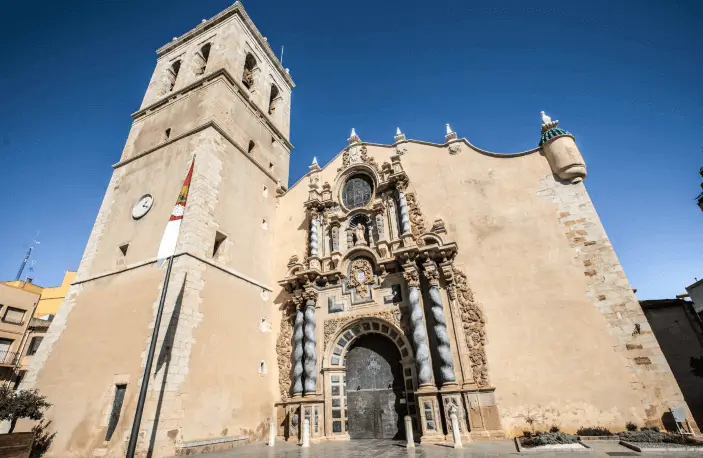
- Population: 30,529 inhabitants according to INE 2025 data
- Gender split: roughly 50% women and 50% men
- Average age: around 44
- Purchasing power: average, with an economy based on fishing, furniture, retail and coastal tourism
- Economic activity rate: around 55%, weighted towards retail, hospitality and fishing
- Relevance for advertising: the main fishing port in the north of the region and the hub of the Bajo Maestrazgo comarca, with through traffic on the AP-7 and the N-340
Vinaròs, capital of the Bajo Maestrazgo comarca, has 30,529 inhabitants according to 2025 data from Spain's National Statistics Institute (INE) and is the main fishing port in the north of the Valencian Community, famous for its king prawns, which carry their own quality label and are celebrated with an annual food festival in August. Its economy rests on fishing, furniture-making, farming based on citrus and carob trees, and family-oriented Mediterranean beach tourism, with a long seafront promenade, several small coves and Peñíscola and the Ebro Delta close at hand, barely 30 kilometres away. It is crossed by the AP-7 and the N-340 and connects with Castellón, 80 kilometres away, and with Tarragona to the north, which gives it a consumer base that is also receptive to retail offers from across the Mediterranean corridor, and a residential mix that is increasingly split between Spanish and other European residents.
In Vinaròs we have around 40 sites, in a very balanced mix of bus shelters (15 of them), MUPIs (13) and billboards (12). Our locations cover Avenida País Valencià next to Correos and Calle Doctor Santos, Calle Sant Francesc next to the pharmacy and at number 61 where it meets Avenida País Valencià, Calle Doctor Ricardo Santos at number 2 where it meets Calle Senyora del Socorro, the approaches to Portal Mediterráneo shopping centre on the N-340, the areas around McDonald's and Leroy Merlin Compact, and the corridors towards the fishing port, the old town and the district hospital. Full coverage also reaches the residential estates along the northern coast and the approaches to Benicarló, the neighbouring municipality. It is a complete inventory for local advertisers, hospitality, retail, the motor trade and professional services, and for campaigns by the fishermen's guild and the fish market during the king prawn season.
MUPIs in Vinaròs
MUPIs in Vinaròs are a very effective format for advertisers targeting the town and the wider comarca, with good exposure during shopping hours thanks to the footfall on Calle Sant Francesc and Plaza Parroquial, and along the seafront promenade in summer.
The main MUPI locations in Vinaròs cover Avenida País Valencià next to Correos, Calle Sant Francesc, Calle Doctor Ricardo Santos, the approaches to the port and the seafront promenade, and the shopping corridors in the town centre.
Bus shelters in Vinaròs
Bus shelters are the most numerous format in Vinaròs and cover the town and comarca routes to Benicarló, to Peñíscola and to Portal Mediterráneo shopping centre. They are useful for retail and professional services campaigns.
We cover stops on Avenida País Valencià, Avenida Castellón, Avenida Pío XII and the corridors towards the N-340 and the industrial area.
Billboards in Vinaròs
Billboards in Vinaròs make the most of the traffic on the N-340 and the approaches to Portal Mediterráneo shopping centre. They are the right format for advertisers seeking comarca-wide coverage and for campaigns aimed at through traffic on the Mediterranean corridor.
Standout locations include the approaches to Portal Mediterráneo shopping centre on the N-340, the areas around McDonald's and Leroy Merlin Compact, and the roundabouts at the entrance to and exit from the town via the AP-7.
Outdoor advertising in Puerto de Sagunto
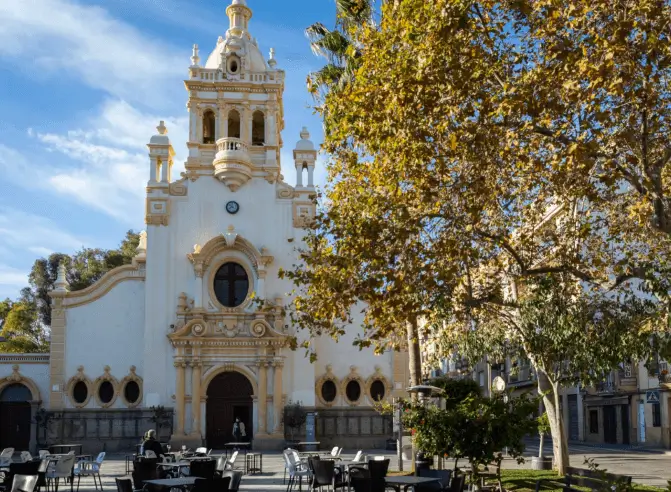
- Population: 40,436 inhabitants in the Puerto district, within the municipality of Sagunto (73,031 in total, according to INE 2025 data)
- Gender split: roughly 50% women and 50% men
- Average age: around 44
- Purchasing power: average, with a very active industrial, logistics and retail economy
- Economic activity rate: around 58%, weighted towards steel, supplier industries, logistics and large-scale retail
- Relevance for advertising: the industrial and logistics hub of the Camp de Morvedre, with the new PowerCo gigafactory and a fast-growing shopping centre
Puerto de Sagunto, the second urban centre in the municipality of Sagunto, is home to some 40,436 people and is the steel, logistics and retail hub of the Camp de Morvedre comarca. Heir to the former Altos Hornos del Mediterráneo steelworks, it keeps an active industrial base around the Ingruisa industrial estate and is growing very strongly around VidaNova Parc shopping centre, with Yelmo Cines, Decathlon, Leroy Merlin, Burger King, Sphera and the new electric-vehicle battery plant of PowerCo, a Volkswagen subsidiary, one of the biggest industrial investments in Spain in recent years, with close to 3,000 direct jobs expected. Its links with Valencia via the V-21 and the AP-7 sustain a daily flow of workers and shoppers, and Sagunto's commercial port ranks second in the region after Valencia's.
In Puerto de Sagunto we have around 38 sites, clearly dominated by billboards (22 of them) and rounded out by MUPIs and bus shelters. We cover Avenida del Ingeniero Andoni Sarasola heading towards the Ingruisa industrial estate, Travesía Fausto Caruana at its corner with Calle Elio Antonio de Nebrija next to Todojuguete and heading towards L'Epicentre shopping centre, Avenida Fausto Caruana at Calle Jaume Roig heading towards Avenida Joan d'Àustria, and the areas around VidaNova Parc, Decathlon Sagunto, Hankook Masters and the car dealerships on the industrial estate. Coverage also reaches the corridors towards Puerto beach, the Camí la Mar industrial estate and the approaches to the commercial port. It is a first-rate inventory for industry and the motor trade, as well as retail and services aimed at the workforce, with both local and provincial reach.
MUPIs in Puerto de Sagunto
MUPIs in Puerto de Sagunto cover the shopping and pedestrian corridors of the town, especially around VidaNova Parc and the town centre. They are the right format for local shops and restaurants and for services aimed at workers.
The main MUPI locations in Puerto de Sagunto are spread across Avenida Fausto Caruana, Avenida del Ingeniero Andoni Sarasola, the corridors towards VidaNova Parc, the area around Decathlon and Leroy Merlin, and the urban routes towards the old town.
Bus shelters in Puerto de Sagunto
Bus shelters in Puerto de Sagunto cover the urban routes linking the centre to the Ingruisa industrial estate, to VidaNova Parc and to the approach roads for the V-21. They are useful for medium-length industrial and retail campaigns.
We have stops on Avenida Fausto Caruana, Avenida del Ingeniero Sarasola and the corridors towards the shopping centre and the industrial estate.
Billboards in Puerto de Sagunto
Billboards are the most numerous format in the Puerto de Sagunto inventory and catch the industrial and commercial traffic around the Ingruisa industrial estate, the approaches to VidaNova Parc and the junctions with the V-21 and the AP-7. They are the format of choice for advertisers seeking province-wide coverage and for strongly visual messages.
Highlights include Avenida del Ingeniero Andoni Sarasola heading towards the Ingruisa industrial estate, Travesía Fausto Caruana at its corner with Calle Elio Antonio de Nebrija next to Todojuguete, Avenida Fausto Caruana at Calle Jaume Roig heading towards Avenida Joan d'Àustria, and the approaches to L'Epicentre shopping centre.
Outdoor advertising in Sagunto
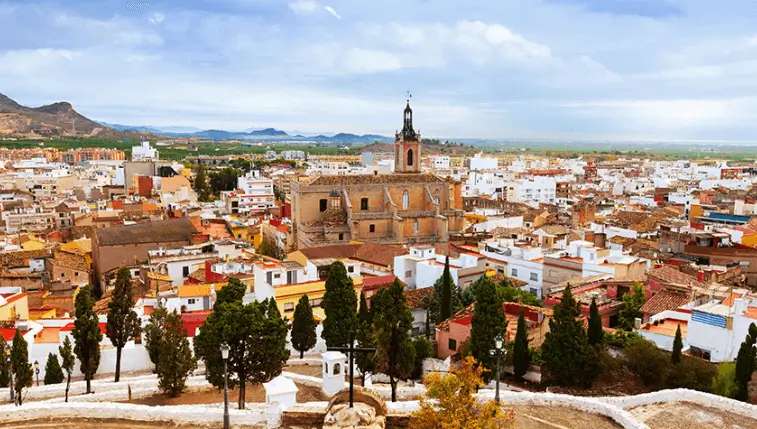
- Population: 73,031 inhabitants according to INE 2025 data (including Puerto de Sagunto)
- Gender split: roughly 50% women and 50% men
- Average age: around 44
- Purchasing power: average, with an industrial economy in Puerto de Sagunto and services and public administration in the historic centre
- Economic activity rate: around 58%, weighted towards industry, retail and public administration
- Relevance for advertising: the region's tenth-largest municipality and a significant industrial hub, with the new PowerCo gigafactory in the pipeline
Sagunto, capital of the Camp de Morvedre comarca, has 73,031 inhabitants according to 2025 data from Spain's National Statistics Institute (INE), counting the municipality's two urban centres: the historic town, at the foot of the castle and the Roman theatre, and Puerto de Sagunto, which accounts for most of the population and industrial activity. The historic town has a remarkable heritage, listed as a Conjunto Histórico-Artístico (a protected historic ensemble) since 1931, with the restored Roman theatre, the castle of Ibero-Roman origin on the site of the ancient acropolis, the medieval Jewish quarter and the church of Santa María. It keeps a lively town-centre retail scene around the municipal market and Plaza del Sol, and an intense cultural life with the Sagunt a Escena performing arts festival every summer. Its connection with Valencia, 28 kilometres away via the V-21 and the AP-7, means that many residents have work ties to the metropolitan area.
In Sagunto's historic centre we work with around 38 sites, dominated by MUPIs (23 of them), with billboards (10) and bus shelters (5) completing the mix. Our locations cover the N-340 at the 935 km marker next to the petrol station and the exit from the Montíver industrial estate heading towards Castellón, the N-340 at the roundabout on Avenida de Palmosa opposite Lidl, next to the car dealerships, heading towards VidaNova Parc shopping centre, Calle Salvador Espriu at the roundabout with Calle Honorio Maura next to Yelmo Cines and Leroy Merlin, and the corridors towards the Roman theatre and the castle. Coverage also extends to the approaches to the Camp de Morvedre secondary school, the Camí Real neighbourhood and the links towards the outlying districts of Almardà, Corinto and Malvarrosa de Sagunto. It is a useful inventory for local advertisers, retail, hospitality, cultural events and campaigns aimed at residents of the old town.
MUPIs in Sagunto
MUPIs in Sagunto cover the historic centre and the corridors towards Puerto de Sagunto, which makes them a useful local format for town-centre shops and restaurants and for cultural events around the Roman theatre and the castle.
The main MUPI locations in Sagunto are spread across Calle Salvador Espriu, Avenida del País Valencià, the corridors of the historic centre and the approaches to Puerto de Sagunto and to VidaNova Parc shopping centre.
Bus shelters in Sagunto
Bus shelters in Sagunto cover the urban routes linking the historic centre with Puerto de Sagunto and with the industrial estates. They are useful for retail and professional services campaigns with comarca-wide coverage.
We cover stops on Avenida del País Valencià, Avenida del Mediterráneo and the corridors towards the town centre and the Montíver industrial estate.
Billboards in Sagunto
Billboards in Sagunto make the most of the traffic on the N-340, the V-21 and the approaches to the AP-7. They are the right format for advertisers seeking province-wide coverage and for industrial or retail campaigns that need constant passing traffic.
Notable sites include the N-340 at the 935 km marker next to the Montíver industrial estate heading towards Castellón, the roundabout on Avenida de Palmosa opposite Lidl heading towards VidaNova Parc, Calle Salvador Espriu at the roundabout with Calle Honorio Maura next to Yelmo Cines and Leroy Merlin, and the approach roads from the historic centre towards the AP-7.
Outdoor advertising in San Vicente del Raspeig
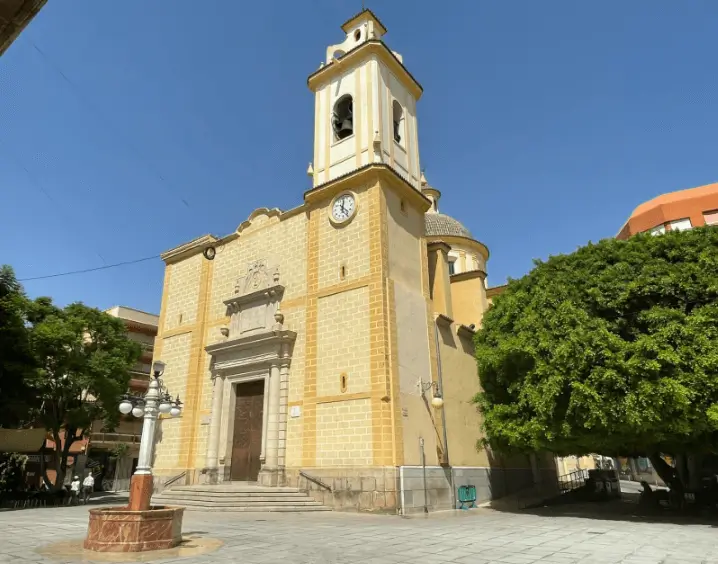
- Population: 60,247 inhabitants according to INE 2025 data
- Gender split: roughly 51% women and 49% men
- Average age: around 41
- Purchasing power: average, with an economy built on the university, on housing and on services, supported by the conurbation with Alicante
- Economic activity rate: around 60%, weighted towards services, education and retail
- Relevance for advertising: university town with the main campus of the University of Alicante and a very large floating student population during term time
San Vicente del Raspeig has 60,247 inhabitants according to 2025 data from Spain's National Statistics Institute (INE) and forms a continuous urban area with Alicante, with boundaries that are hard to make out at street level. It is home to the main campus of the University of Alicante, with about 25,000 students and a 1 km² campus regarded as one of the largest and best equipped in Spain, which makes the town a very active university hub during the academic year, with an additional floating population that is hard to quantify. It is connected with the provincial capital by tram (line L2), commuter rail (Cercanías) and city bus, with services every few minutes at peak times. Its town centre has a dense mix of local shops around Avenida de la Libertad and Calle Ancha de Castelar, and housing growth has been very marked in the residential estates in the north and east of the municipality.
In San Vicente del Raspeig we have around 38 sites, clearly led by MUPIs (29 of them), plus bus shelters and JET panels. Our locations cover Calle Denia next to the sports complex, Calle Doctor Alós at Calle General Prim, Calle Ancha de Castelar at Avenida de la Libertad next to Druni, Calle Ancha de Castelar at number 53 next to the convent school, and the corridors towards the university campus and Plaza Mar 2 shopping centre, just over the boundary in the municipality of Alicante. Coverage also takes in the area around Hospital Universitario de San Juan, the approaches to the A-77 towards the campus and the corridors towards Mutxamel and San Juan de Alicante. The inventory is a particularly good fit for advertisers in education, local retail, private healthcare, youth banking, telecoms, student nightlife and student services.
MUPIs in San Vicente del Raspeig
MUPIs in San Vicente del Raspeig connect especially well with students and young residents. They are the right format for education campaigns, nightlife, restaurants, telecoms, banking for young people and local urban services.
The main MUPI locations in San Vicente del Raspeig are spread across Avenida de la Libertad, Calle Ancha de Castelar, Calle Denia, Calle Lillo Juan, Avenida del País Valencià and the corridors towards the University of Alicante campus and Plaza Mar 2 shopping centre.
Bus shelters in San Vicente del Raspeig
Bus shelters in San Vicente del Raspeig cover the city bus and L2 tram routes linking the town centre with Alicante and with the university campus. They are useful for education, healthcare and retail campaigns with medium-scale coverage across the town.
We have stops on Avenida de la Libertad, Avenida de Vicente Savall Pascual and Calle Ancha de Castelar, as well as along the corridors towards the University of Alicante campus.
Outdoor advertising in El Campello
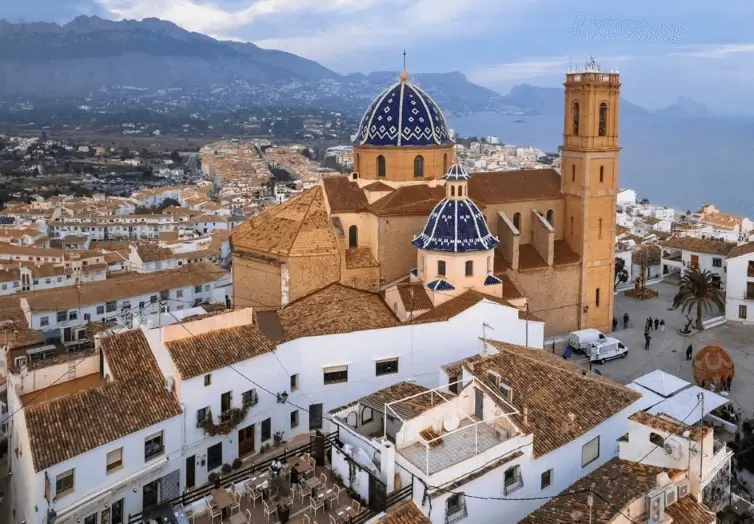
- Population: 31,419 inhabitants according to INE 2025 data
- Gender split: roughly 51% women and 49% men
- Average age: around 44
- Purchasing power: average, with a residential, tourist and retail economy supported by the conurbation with Alicante
- Economic activity rate: around 55%, weighted towards retail, hospitality and services for residents
- Relevance for advertising: residential coastal town within the Alicante metropolitan area, with sustained growth since the pandemic
El Campello has 31,419 inhabitants according to 2025 data from Spain's National Statistics Institute (INE), with sustained growth since the pandemic and an increasingly residential profile linked to remote working and the search for quality of life on the northern coast of the Alicante conurbation. It is part of Alicante's continuous urban area via the N-332 and exit 67 of the AP-7, and has a compact town centre around the historic fishing port, a coastal strip with Muchavista beach and Carrer la Mar beach, and very marked housing growth in the northern residential estates towards Coveta Fumà and Cala D'Or. Its Sunday market, with more than four centuries of tradition, is one of the oldest and best known in the province and draws thousands of visitors every weekend. Line 1 of the Alicante tram connects it directly with Alicante in under 20 minutes.
In El Campello we have around 36 sites, with a clear majority of MUPIs (25 of them), plus bus shelters and billboards. Our locations cover Calle Sant Ramón at number 2 on the N-332, next to the San José restaurant, heading towards Alicante and towards Villajoyosa; Avenida Ausiàs March at number 37, at the roundabout with Calle Río Seco, opposite the petrol station, heading towards the N-332; Camí Real next to La Niña; El Fabraquer at Montgomit; and the corridors towards Muchavista beach and the port. Coverage also includes the residential estates in the north of the municipality, with an international residential profile, and the approaches towards San Juan de Alicante along the N-332. It is a useful inventory for advertisers in retail, restaurants, healthcare and services for foreign residents, especially in weekend slots that coincide with the market.
MUPIs in El Campello
MUPIs in El Campello are the format of choice for local retail and hospitality, as well as private medical services. They work especially well for reaching both local residents and the international residents who spend long periods on the municipality's residential estates.
The main MUPI locations in El Campello cover Avenida Ausiàs March, Calle Sant Ramón, Avenida Generalitat Valenciana, the corridors towards Muchavista beach and the urban routes through the centre and around the fishing port.
Bus shelters in El Campello
Bus shelters in El Campello cover the city bus and tram routes linking the town centre with Alicante and with San Juan beach. They are useful for retail and professional services campaigns.
We cover stops on Avenida Ausiàs March and Avenida Generalitat Valenciana, and along the corridors towards the northern residential estates.
Billboards in El Campello
Billboards in El Campello make the most of traffic on the N-332 between Alicante and Villajoyosa, one of the busiest coastal roads in the province. They are the right format for advertisers seeking comarca-wide coverage and high-visibility messages.
Highlights include Calle Sant Ramón at number 2 on the N-332, next to the San José restaurant, heading towards Alicante and towards Villajoyosa; Avenida Ausiàs March at the roundabout with Calle Río Seco, opposite the petrol station, heading towards the N-332; and the approaches to the AP-7.
Outdoor advertising in La Pobla de Farnals
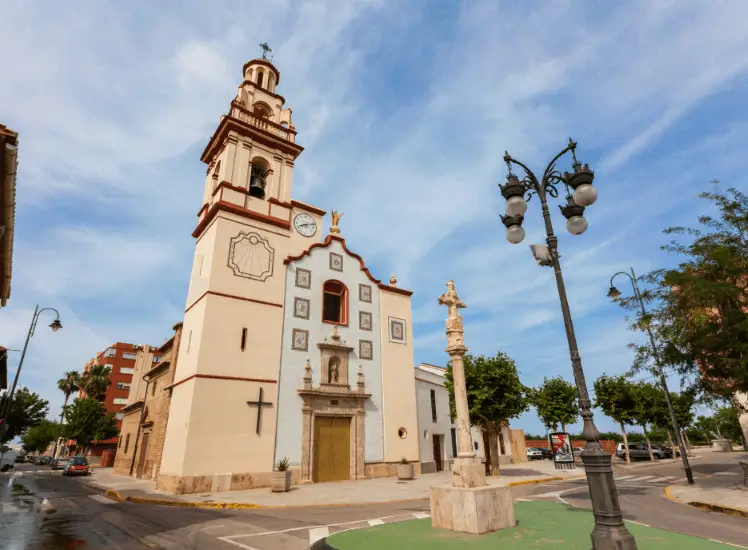
- Population: 9,255 inhabitants according to INE 2025 data
- Gender split: roughly 51% women and 49% men
- Average age: around 44
- Purchasing power: average, with a residential and seasonal tourist economy, in a conurbation with Valencia
- Economic activity rate: around 55%, weighted towards retail and services
- Relevance for advertising: residential municipality in the Valencia metropolitan area, with a beach district and a direct metro link to the city of Valencia
La Pobla de Farnals has 9,255 inhabitants according to 2025 data from Spain's National Statistics Institute (INE) and is part of the l'Horta Nord comarca, in the inner ring of the Valencia metropolitan area. The municipality has two distinct centres 4 kilometres apart: the original town centre, which has merged with Massamagrell and Rafelbunyol along the old N-340, and Playa de la Pobla de Farnals, which grew up in the '70s with the arrival of tourism and has a marina, a seafront promenade and an area of second homes that is very busy between June and September. It is connected with Valencia by line 3 of the Valencia metro, with its own stop, and by the V-21 and the AP-7, which ties it fully into metropolitan travel patterns. Population density exceeds 2,500 inhabitants per square kilometre, one of the highest in the comarca.
In La Pobla de Farnals we have around 33 sites, mostly MUPIs (19 of them), plus bus shelters and billboards. Our locations cover Plaza Sant Vicente Ferrer 102, at Avenida del País Valencià; Avenida de la Mar 11, at Avenida Ausiàs March; Calle Serrans 2, at Calle Massamagrell; Avenida de Madrid 52, at Calle de la Senyera; Avenida Constitució 3, at Calle de la Canal de Navarrés; and the corridors towards the beach and the marina. Coverage also includes the routes between the town centre and the coastal area, and the approaches to the metro station. It is a useful inventory for advertisers in local retail, seasonal hospitality and marina services, and for brand campaigns covering the northern metropolitan area.
MUPIs in La Pobla de Farnals
MUPIs in La Pobla de Farnals cover both the town centre and the corridor towards the beach and the marina. They are the right format for advertisers in local retail, seasonal hospitality and marina services, and for local campaigns across the metropolitan area.
The main MUPI locations in La Pobla de Farnals are spread across Plaza Sant Vicente Ferrer at Avenida del País Valencià, Avenida de la Mar, Calle Serrans, Avenida de Madrid and Avenida Constitució, as well as the corridors towards the beach.
Bus shelters in La Pobla de Farnals
Bus shelters in La Pobla de Farnals cover the town and district bus routes linking the town centre with Massamagrell and Rafelbunyol, and with the beach, and are well suited to retail and professional services campaigns.
Our stops include Avenida del País Valencià and Avenida de la Mar, as well as the corridors towards the centre and the beach.
Outdoor advertising in Benicàssim
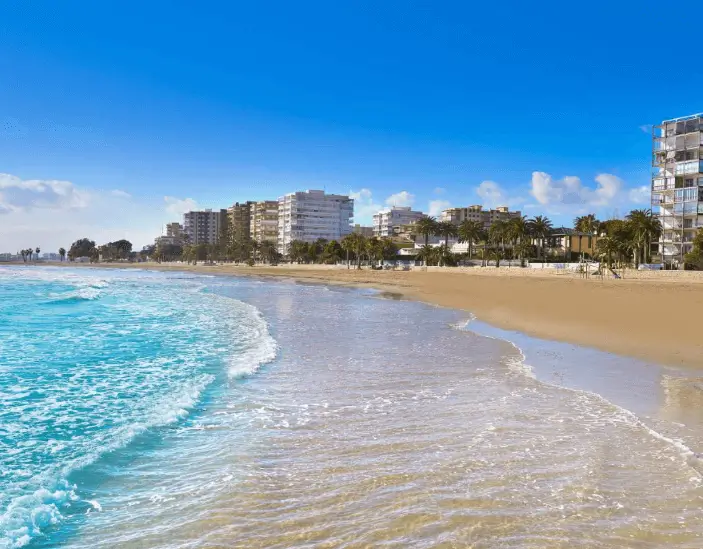
- Population: 20,539 inhabitants according to INE 2025 data, with summer peaks above 100,000
- Gender split: roughly 51% women and 49% men
- Average age: around 44
- Purchasing power: above average, with an economy geared to tourism and upper-mid-market housing
- Economic activity rate: around 55%, weighted towards tourism, hospitality and seasonal retail
- Relevance for advertising: leading tourist destination on the Costa del Azahar, with events such as FIB and residential growth driven by remote working
Benicàssim has 20,539 inhabitants according to 2025 data from Spain's National Statistics Institute (INE), a figure that rises fivefold in the summer season and that has passed the 20,000 mark thanks to remote working and the town's residential appeal. It is one of the main tourist destinations on the Costa del Azahar and home to the Festival Internacional de Benicàssim (FIB), a fixture on the European festival circuit since 1995, and, since 2010, to the Rototom Sunsplash reggae festival. Its Belle Époque heritage, with modernista (art nouveau) villas such as Villa Pilar and Villa Elisa, and the Desierto de las Palmas, a natural park with views over the Mediterranean, round out the town's beach-tourism offer. The link with Castellón, 14 kilometres away on the N-340 and the AP-7 (exits 45 and 46), together with its own rail service on the Valencia-Barcelona line, sustains a steady flow of visitors all year round.
In Benicàssim we have around 32 sites, overwhelmingly MUPIs (28 of them). Our locations cover Avenida Castellón at Calle Carlos Salvador next to the secondary school; Avenida Ferrandis Salvador at Calle Palmeral next to the Eurosol complex and at Calle Rivalta next to Trinimar; Avenida Barcelona at number 16 where it meets Calle Carles Sarthou; Gran Avenida Jaime I at number 31 next to the Almadraba residential complex; and the corridors towards the seafront promenade and the modernista villas of the Belle Époque. Coverage also reaches the approaches to the AP-7, the surroundings of the Desierto de las Palmas and the corridors towards Oropesa del Mar and Marina d'Or, its neighbour to the north. It is a very useful inventory for advertisers in tourism, hospitality, seasonal retail, events such as FIB and SanSan, and private medical services.
MUPIs in Benicàssim
MUPIs are the dominant format in Benicàssim and cover both the town centre and the coastal strip. They work especially well for advertisers in tourism, hospitality, leisure, seasonal retail outlets and private medical services with an above-average customer profile.
The main MUPI locations in Benicàssim are spread across Avenida Castellón, the coastal stretch of Avenida Ferrandis Salvador, Avenida Barcelona, Gran Avenida Jaime I, the corridors towards the seafront promenade and the approaches to the Belle Époque villas.
Billboards in Benicàssim
Billboards in Benicàssim stand on the town's approach roads and along the N-340 corridor, which makes them a suitable format for advertisers seeking comarca-wide coverage and for tourism campaigns aimed at passing traffic.
Notable sites include the approaches to the town centre from the N-340 and the roundabouts at the AP-7 entry and exit, as well as the corridors towards Castellón and Oropesa del Mar.
Outdoor advertising in Villajoyosa
- Population: 37,449 inhabitants according to INE 2025 data
- Gender split: roughly 51% women and 49% men
- Average age: around 43
- Purchasing power: average, with an economy based on chocolate, fishing, retail and coastal tourism
- Economic activity rate: around 55%, weighted towards tourism and retail, as well as the chocolate industry
- Relevance for advertising: capital of the Marina Baja comarca, with a distinctive old town and a direct link to Alicante and Benidorm along the N-332
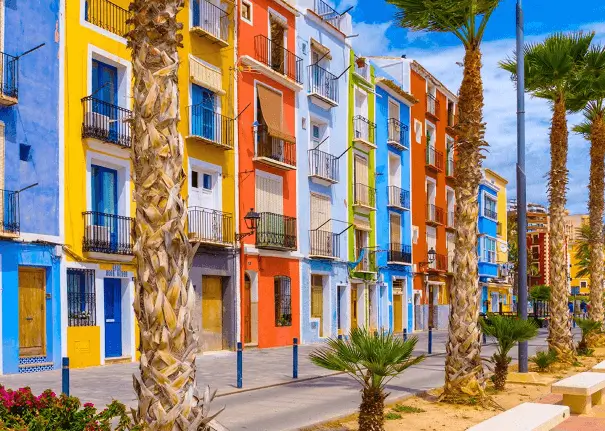
Villajoyosa, capital of the Marina Baja comarca, has 37,449 inhabitants according to 2025 data from Spain's National Statistics Institute (INE) and combines a distinctive old town, with its famous brightly coloured houses on the seafront (a photographic landmark of the province, reproduced on thousands of postcards), with an active business base in chocolate (Chocolates Valor is among the best known, with its chocolate museum open to the public), fishing and tourism. It retains a historic fishing port, several blue flag beaches and significant Roman remains linked to ancient Allon, with an important archaeological site still being turned into a museum. Links with Alicante via the N-332, the AP-7 and line 1 of the Alicante tram sustain a constant flow of travellers, especially people who live in the northern part of the Alicante conurbation and work or shop in the Benidorm area.
In Villajoyosa we have around 32 sites, in a very balanced mix of billboards (13 of them), MUPIs (10), bus shelters (8) and one newspaper kiosk panel. Our locations cover Calle Cervantes at number 73 on the N-332, next to Avenida del Doctor Fleming, heading towards Benidorm and towards San Juan; Calle Cervantes at number 90 on the N-332, opposite Partida Mallaeta, heading towards Alicante; the seafront promenade corridors; and the approaches to the fishing port and Hospital de la Vila. Coverage also reaches the municipality's residential estates, the approaches to the Terra Mítica park on its boundary with Finestrat, and the corridors towards L'Esplai shopping centre. It is a useful inventory for advertisers in town-centre retail, restaurants, healthcare, museums, theme-park leisure and services for through traffic on the N-332, one of the busiest coastal corridors on the Mediterranean.
MUPIs in Villajoyosa
MUPIs in Villajoyosa cover the town centre and the corridors towards the beach, which makes them a very suitable format for restaurant, retail, medical services and tourism advertisers across the Marina Baja.
The main MUPI locations in Villajoyosa are spread across Calle Cervantes, Avenida del País Valencià, the seafront promenade corridors and the approaches to the fishing port and Hospital de la Vila.
Bus shelters in Villajoyosa
Bus shelters in Villajoyosa cover the city bus and Alicante tram routes linking the town centre with Benidorm, El Campello and Alicante, and are well suited to retail and services campaigns.
We have stops on Calle Cervantes and Avenida del Doctor Fleming, and along the corridors towards the port and L'Esplai shopping centre.
Billboards in Villajoyosa
Billboards in Villajoyosa make the most of the traffic flow along the N-332 between Alicante and Benidorm, one of the busiest coastal corridors on the Mediterranean. They are the right format for advertisers seeking province-wide coverage and high-visibility messages.
Standout locations include Calle Cervantes at number 73 on the N-332, next to Avenida del Doctor Fleming, heading towards Benidorm and towards San Juan; Calle Cervantes at number 90 on the N-332, opposite Partida Mallaeta, heading towards Alicante; and the approaches to the AP-7 from exit 65A.
Outdoor advertising in Finestrat
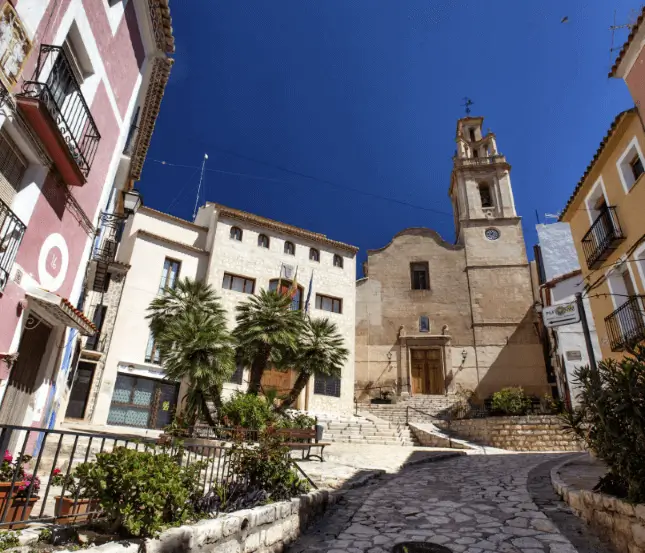
- Population: 9,919 inhabitants according to INE 2025 data
- Gender split: roughly 50% women and 50% men
- Average age: around 44
- Purchasing power: above average, with a retail, tourist and residential economy tied to Benidorm
- Economic activity rate: around 55%, weighted towards retail, leisure and visitor services
- Relevance for advertising: retail hub in a conurbation with Benidorm, home to La Marina shopping centre and the Terra Mítica theme park
Finestrat has 9,919 inhabitants according to 2025 data from Spain's National Statistics Institute (INE) and forms a functional conurbation with Benidorm, which greatly magnifies its importance as a retail hub and makes it a central part of the Marina Baja urban ring. Within its municipal boundaries are La Marina shopping centre, one of the big retail complexes on the Costa Blanca, with Cinesa cinemas, Primark, Mercadona, Decathlon and more than a hundred outlets, as well as the Terra Mítica theme park and the hotel corridor at Cala de Finestrat, with aparthotels, residential estates and beach services. It sits beneath the outline of Puig Campana, a 1,410-metre mountain that defines the local scenery, and has a well-preserved inland historic centre, listed as a Bien de Interés Cultural and recognised as one of the prettiest villages in the province. Exit 65A of the AP-7 and the N-332 sustain retail and tourist traffic all year round.
In Finestrat we have around 31 sites, mostly MUPIs (17 of them), plus bus shelters (8) and billboards (4). Our locations cover Avenida del Elche next to La Marina shopping centre, Calle Alacant at Calle Calp along its northern, central and southern stretches, the roundabouts leading into La Marina shopping centre, the corridors towards Benidorm and the approaches to Terra Mítica. Coverage also reaches Hospital Clínica Benidorm, which lies in the municipality of Finestrat, as well as the residential estates of La Cala and the corridors towards Puig Campana. It is an excellent inventory for advertisers in superstore retail, the motor trade, theme-park leisure, restaurants and private healthcare, and for campaigns aimed both at Marina Baja residents and at the more than four million annual visitors to Benidorm who travel through the area.
MUPIs in Finestrat
MUPIs in Finestrat connect especially well with shoppers and tourists linked to Benidorm. They are the right format for advertisers in fast-moving consumer goods, retail, leisure, restaurants and visitor services across the Marina Baja.
The main MUPI locations in Finestrat are spread across Avenida del Elche next to La Marina shopping centre, Calle Alacant at Calle Calp, the corridors towards Benidorm and the approaches to the Terra Mítica park.
Bus shelters in Finestrat
Bus shelters in Finestrat cover the town and district bus routes linking the town centre with Benidorm, La Cala and the large retail and leisure complexes. They are a very useful format for tourism and fast-moving consumer goods campaigns.
Our stops include Avenida del Elche and Calle Alacant, as well as the corridors towards La Marina shopping centre and the approaches to Terra Mítica.
Outdoor advertising in Santa Pola
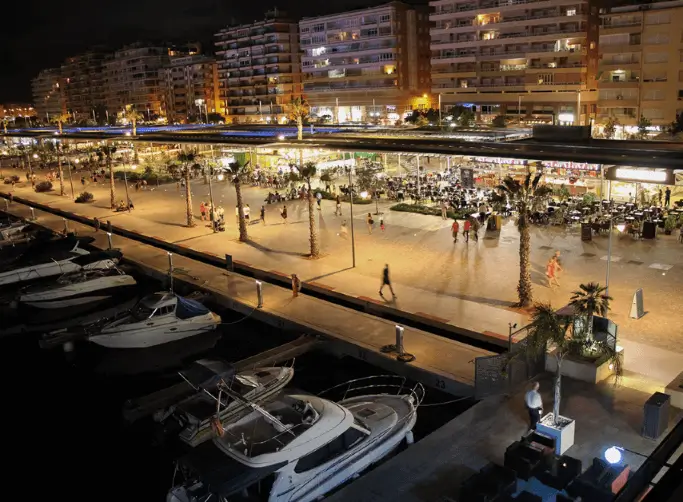
- Population: 39,709 inhabitants according to INE 2025 data
- Gender split: roughly 51% women and 49% men
- Average age: around 43
- Purchasing power: average, with an economy based on fishing, tourism, retail and international residents
- Economic activity rate: around 55%, weighted towards tourism, hospitality and fishing
- Relevance for advertising: tenth-largest municipality in the province of Alicante, with a protected coastline and a strongly international residential profile
Santa Pola, in the Bajo Vinalopó comarca, has 39,709 inhabitants according to 2025 data from Spain's National Statistics Institute (INE) and is the tenth-largest municipality in the province of Alicante by population. It combines a busy fishing port and marina, salt flats designated a Natural Park where pink flamingos can be seen all year round, and a coastline with blue flag beaches such as Levante, Lisa and La Gran Playa. Ferries to the island of Tabarca, the only island municipality in the Valencian Community and a protected marine reserve, depart from here. Links with Elche, 12 kilometres away on the N-332, and with Alicante and the airport via the AP-7 and the CV-865 sustain strong tourist traffic in summer and an increasingly settled residential profile all year round, with a 22% foreign population heavily concentrated in the Gran Alacant residential estates.
In Santa Pola we have around 31 sites, mostly MUPIs (16 of them), plus bus shelters (7), street thermometers (4) and billboards (4). Our locations cover Avenida Tamarindos at Calle del Azahar, the station, Plaza de la Diputación, the health centre, the fishing port, the seafront promenade corridors and the approaches to the Gran Alacant residential estates. Coverage also reaches the Gran Playa neighbourhood, the areas around the campsites on the northern coast and the approaches to the castle-fortress, the town's historic symbol. It is a very useful inventory for advertisers in hospitality, seasonal retail, private medical services, holiday lets, sailing schools and marine leisure, and for campaigns aimed at foreign residents of Gran Alacant and at day visitors to the island of Tabarca.
MUPIs in Santa Pola
MUPIs in Santa Pola cover the town centre, the port and the corridors towards the beaches and the Gran Alacant residential estates. They are the right format for advertisers in hospitality, seasonal retail, private healthcare and services for international residents.
The main MUPI locations in Santa Pola are spread across Avenida Tamarindos, the station, Plaza de la Diputación, the area around the health centre, the fishing port, the seafront promenade corridors and the approaches to Gran Alacant.
Bus shelters in Santa Pola
Bus shelters in Santa Pola cover the town and district bus routes linking the town centre with the beaches, the port and Elche, and are a suitable format for retail and professional services campaigns.
We cover stops on Avenida de Elche and Avenida de Pérez Ojeda, and along the corridors towards the beaches and Gran Alacant.
Outdoor advertising in Oliva
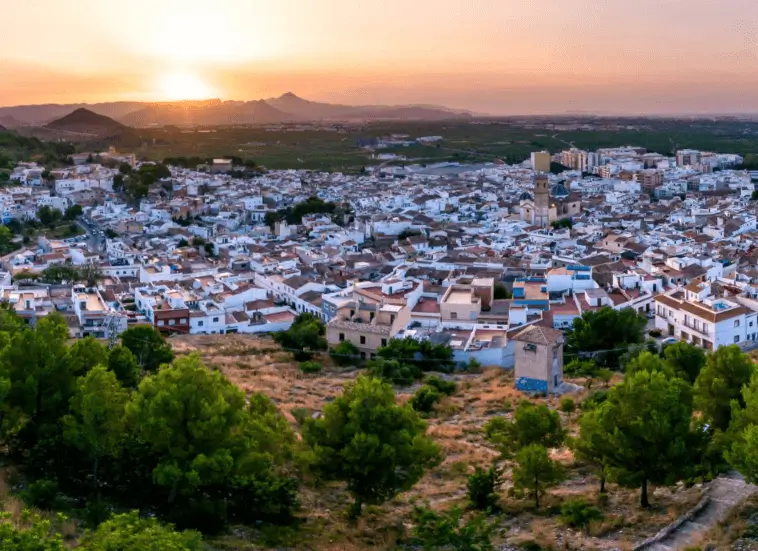
- Population: 26,813 inhabitants according to INE 2025 data
- Gender split: roughly 51% women and 49% men
- Average age: around 44
- Purchasing power: average, with an economy based on agriculture, tourism and retail
- Economic activity rate: around 55%, weighted towards retail, hospitality and agriculture
- Relevance for advertising: a coastal municipality in La Safor with protected coastline in the Marjal Pego-Oliva and events such as the Moros y Cristianos in July
Oliva, in the comarca of La Safor, has 26,813 inhabitants according to 2025 data from Spain's National Statistics Institute (INE). It combines a town centre with a long tradition of orange growing and silk production, and a coastal strip with 10 kilometres of beach flanked by dunes. Within the municipality lies the Marjal Pego-Oliva Natural Park, one of the most distinctive wetlands in the Mediterranean and a refuge for protected species such as the samaruc and the fartet. Its old town preserves the medieval Jewish quarter of Vila-Vella, remains of the old manor and the church of Santa María, each a listed heritage site (Bien de Interés Cultural). Its Moros y Cristianos festival, officially listed as of Regional Tourist Interest, drives a sharp peak in demand in July. Links with Gandia and Denia via the N-332 and the AP-7 (exit 61) keep commercial and tourist traffic flowing all year round.
In Oliva we work with around 29 sites, clearly led by MUPIs (24 of them), plus bus shelters. Locations cover Carretera de Pego next to the Sant Francesc community centre; Passeig Jaume I on its Alcalde Juan Sancho stretch, opposite Calle Les Fonts; Passeig Joan Fuster on the corner with Calle Historiador Bernardino Llorca, next to the Hotel Bernardino Llorca car park; Ronda del Rebollet opposite number 12, next to the Talleres Burgos garage; Carretera de Gandia on the stretch from Gandia to Oliva, opposite Calle Vicente Andrés Estellés; and the corridors towards the beach and the coastal residential estates. It is a useful inventory for advertisers in retail, tourism and professional services.
MUPIs in Oliva
MUPIs in Oliva cover the town centre and the corridors towards the beach, which makes them a suitable format for advertisers in neighbourhood retail, seasonal hospitality and private medical services, and for tourism campaigns.
The main MUPI locations in Oliva are spread across Carretera de Pego, Passeig Jaume I, Passeig Joan Fuster, Ronda del Rebollet, Carretera de Gandia and the corridors towards the beach and the Marjal Pego-Oliva.
Bus shelters in Oliva
Bus shelters in Oliva cover the town and district bus routes linking the town centre with Gandia, Denia and the beach, and they suit retail and professional services campaigns.
We have stops on Passeig Jaume I, Ronda del Rebollet and the corridors towards the beach and the N-332.
Outdoor advertising in Peñíscola
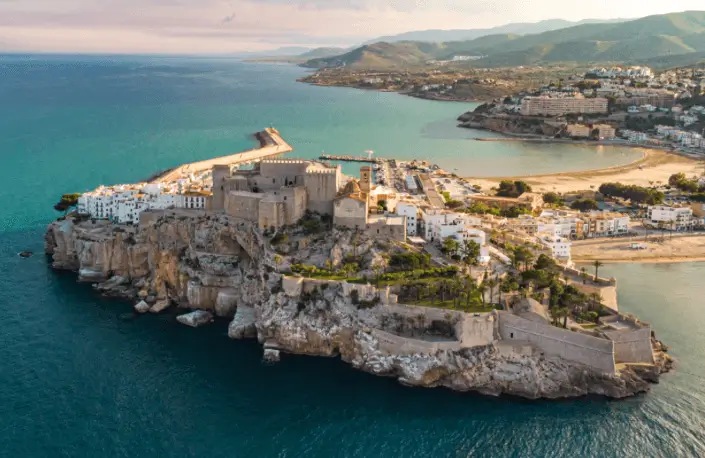
- Population: 8,774 inhabitants according to INE 2025 data, with far higher summer peaks
- Gender split: roughly 51% women and 49% men
- Average age: around 45
- Purchasing power: average, with an economy 100% geared towards tourism, hospitality and seasonal retail
- Economic activity rate: around 55%, heavily concentrated in hospitality and services for tourists
- Relevance for advertising: a leading tourist destination in the north of the Valencian Community, home to the castle of Papa Luna and recognised as one of Spain's Most Beautiful Villages
Peñíscola, in the Bajo Maestrazgo, has 8,774 inhabitants according to 2025 data from Spain's National Statistics Institute (INE) and is one of the leading tourist destinations in the north of the Valencian Community. The castle of Papa Luna (a medieval antipope), built by the Templars between 1294 and 1307, Philip II's Renaissance walls, designed by Giovanni Battista Antonelli, and the walled old town have earned it recognition as one of Spain's Most Beautiful Villages. The summer season multiplies the population several times over, with Spanish family visitors and growing international tourism linked to the series Game of Thrones, which filmed part of its sixth season there as the city of Meereen, and to historical films such as Anthony Mann's El Cid. Links with Castellón and Vinaròs via the N-340 and the AP-7 (exit 43) define a very busy tourist corridor from May to October.
In Peñíscola we have around 29 sites, overwhelmingly MUPIs (23 of them), plus bus shelters and billboards. Locations cover Avenida Papa Luna where it crosses Camino de la Volta and Calle Huesca, Avenida Valencia at Avenida Barcelona and at Calle Alicante, Avenida Papa Luna at Avenida Navarra, and the corridors towards the old town and the castle. Coverage also includes the approaches to the Pla de Mar park-and-ride car park, the corridors towards the Aquarama water park, the residential estates on the southern coast and the surroundings of the Serra d'Irta, a protected natural park. The inventory works very well for advertisers in hospitality, seasonal retail, nightlife, water parks, holiday lets and themed excursions, and for regional and national tourism campaigns aimed at a family audience.
MUPIs in Peñíscola
MUPIs are the dominant format in Peñíscola, covering the coastal strip and the town centre. They are the right format for tourism advertisers: hospitality, nightlife, restaurants, campsites, water parks, holiday lets and themed excursions.
The main MUPI locations in Peñíscola are spread across Avenida Papa Luna where it crosses Camino de la Volta, Calle Huesca and Avenida Navarra, Avenida Valencia at Avenida Barcelona and at Calle Alicante, and the corridors towards the old town and the castle.
Bus shelters in Peñíscola
Bus shelters in Peñíscola cover the town and district bus routes linking the town centre with Benicarló, Vinaròs and the summer park-and-ride car parks. They are useful for short or two-week tourism and commercial campaigns.
We cover stops on Avenida Papa Luna, Avenida Valencia and the corridors towards the Pla de Mar car park.
Outdoor advertising in Burriana
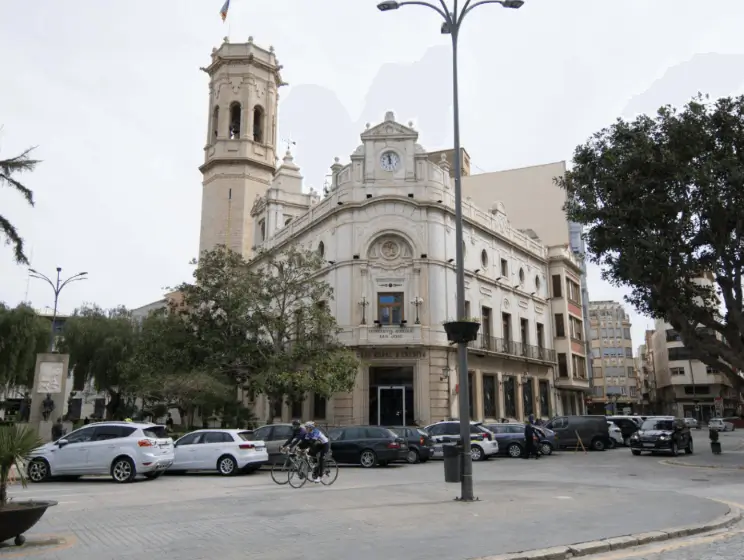
- Population: 37,915 inhabitants according to INE 2025 data
- Gender split: roughly 50% women and 50% men
- Average age: around 42
- Purchasing power: average, with an economy built on agriculture, the citrus industry and retail
- Economic activity rate: around 56%, weighted towards agriculture, industry, retail and services
- Relevance for advertising: capital of the Plana Baja comarca and a driver of population growth in the province of Castellón, with an active commercial port
Burriana, capital of the Plana Baja comarca, has 37,915 inhabitants according to 2025 data from Spain's National Statistics Institute (INE) and is among the municipalities with the highest population growth in the province of Castellón in recent years. It ranks second in the province for absolute growth, behind only the provincial capital. Orange growing and the citrus handling and processing industry remain central to its economy, alongside an active commercial port dedicated to citrus exports and an expanding service sector supported by urban development projects such as Portolevante and Sant Gregori. The CV-18 connects it with Castellón, 11 kilometres away, and the AP-7 with Valencia. Its seaside districts (poblados marítimos) triple in population in summer and are a tourist hub complementing the historic town centre, which retains several modernista houses with listed heritage status (Bien de Interés Cultural).
In Burriana we have around 27 sites, mostly MUPIs (21 of them), plus billboards (6). Locations cover Avenida Jaime Chicharro at number 1, on Plaza Generalitat Valenciana opposite the Consum supermarket; Avenida Corts Valencianes at its roundabout with Avenida Jaime Chicharro, heading towards Avenida Jaume I; Carretera de Nules at number 143; Avenida Jaume I at number 2, opposite Consum; and the corridors towards the port and the seaside districts. Coverage also includes the approaches to Hospital de la Plana in Vila-real, the routes towards Burriana's industrial estates and the new wastewater treatment plant, and the residential estates along the coast. It is a useful inventory for advertisers in neighbourhood retail, agricultural trade, private healthcare, the motor trade and professional services, and for seasonal campaigns aimed at the seaside districts.
MUPIs in Burriana
MUPIs in Burriana cover the town centre and the shopping corridors around Avenida Jaume I and Avenida Jaime Chicharro. They are the right format for advertisers in neighbourhood retail, private healthcare and professional services, and for education campaigns aimed at residents.
The main MUPI locations in Burriana are spread across Avenida Jaime Chicharro, Avenida Corts Valencianes, Avenida Jaume I, Carretera de Nules and the corridors towards the seaside districts and the commercial port.
Billboards in Burriana
Billboards in Burriana make the most of the traffic on the CV-18, the N-225 and the approaches to the AP-7. They are the right format for advertisers seeking comarca-wide coverage and for campaigns reaching industrial and commercial traffic.
Highlights include Avenida Corts Valencianes at the roundabout with Avenida Jaime Chicharro, heading towards Avenida Jaume I, along with Carretera de Nules and the approaches to the commercial port.
Outdoor advertising in Xirivella
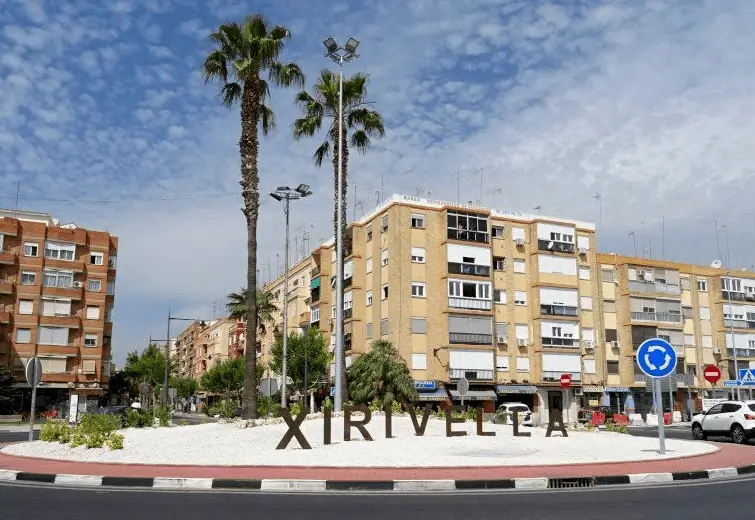
- Population: 32,093 inhabitants according to INE 2025 data
- Gender split: roughly 51% women and 49% men
- Average age: around 43
- Purchasing power: average, with a residential economy tied into the Valencia conurbation and industrial estates of its own
- Economic activity rate: around 58%, weighted towards retail, industry and services
- Relevance for advertising: a municipality in the Valencia metropolitan area with a direct link to the V-30 and active industrial estates
Xirivella, in the comarca of l'Horta Sud, has 32,093 inhabitants according to 2025 data from Spain's National Statistics Institute (INE) and is part of the Valencia metropolitan area, forming a complete conurbation with the city via Mislata and its southern approaches. It is one of the municipalities affected by the DANA of October 2024 (the storm behind the Valencia floods), which caused material damage valued at over €9 million and prompted a recovery plan backed by the regional government (€13.1 million) and by extraordinary private donations such as the €3 million from Amancio Ortega. Its economy rests on small and medium-sized retail, professional services and industrial estates (Cotes Bajes, Vara de Quart), with traditional ties to the furniture and metalworking industries. It connects with Valencia via the V-30, the Pista de Silla and metropolitan buses, as well as lines 1, 3 and 5 of the Valencia metro, with stops in neighbouring municipalities.
In Xirivella we work with around 25 sites, mostly MUPIs (19 of them), plus billboards (6). Locations cover Avenida Camí Nou at number 178 where it meets Calle Mediterráneo, next to the petrol station; Avenida del Tarongers at the roundabout on Carretera Aldaia-Xirivella, at the exit from the Aldaia industrial estate heading towards Torrent; the same road heading towards Avenida del Camí Nou and Valencia; and Carretera de Torrente at its roundabout opposite the Grúas Dotahur crane yard. Coverage also reaches the corridors towards Bonaire shopping centre in Aldaia and the approaches to the V-30 and the metropolitan industrial estates. It is a useful inventory for industrial advertisers, the motor trade, neighbourhood retail, professional services and campaigns covering Valencia's southern belt, which since the DANA has been a focus for reconstruction campaigns and services for residents.
MUPIs in Xirivella
MUPIs in Xirivella cover the town centre and the corridors towards the industrial estates. They are the right format for advertisers in neighbourhood retail and professional services, for education campaigns and for promotions by metropolitan retailers.
The main MUPI locations in Xirivella are spread across Avenida Camí Nou, Avenida del Tarongers, Calle Mestre Serrano and the corridors towards the Cotes Bajes and Vara de Quart industrial estates.
Billboards in Xirivella
Billboards in Xirivella make the most of the traffic flow on Carretera Aldaia-Xirivella, the exit from the Aldaia industrial estate, the V-30 and the approaches to Valencia. They are the right format for industrial advertisers and for campaigns with metropolitan coverage.
Notable sites include Avenida Camí Nou at Calle Mediterráneo, next to the petrol station, Avenida del Tarongers at the roundabout on Carretera Aldaia-Xirivella as it leaves the Aldaia industrial estate, and the approaches to the V-30 and Carretera de Torrente.
Outdoor advertising in Puçol
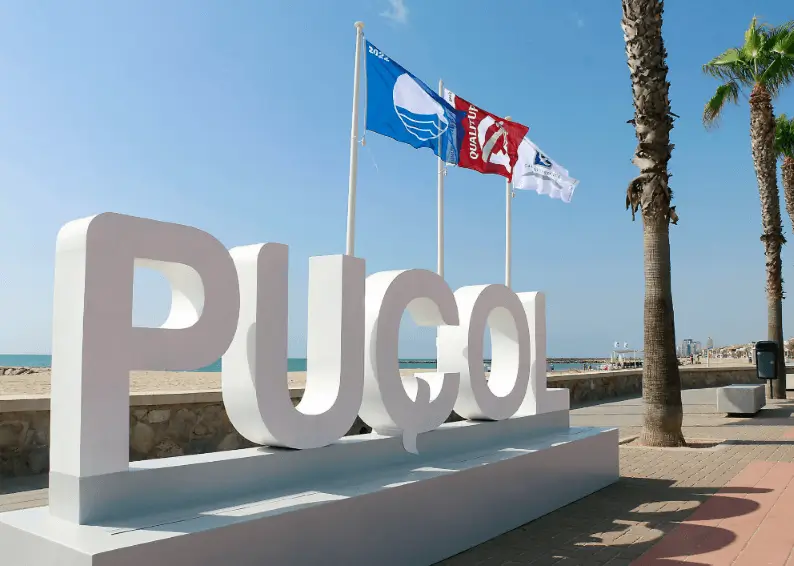
- Population: around 20,200 inhabitants according to INE 2025 data
- Gender split: roughly 51% women and 49% men
- Average age: around 43
- Purchasing power: average, with a residential, farming and services economy tied into the Valencia conurbation
- Economic activity rate: around 58%, weighted towards services, retail and agriculture
- Relevance for advertising: a residential municipality in the Valencia metropolitan area with a direct metro link to Valencia and a coastline of its own
Puçol, in l'Horta Nord, has close to 20,200 inhabitants according to 2025 data from Spain's National Statistics Institute (INE) and is part of the Valencia metropolitan area, linked to the city by line 3 of the Valencia metro, the V-21 and the AP-7 (exit 47). Its municipal area combines a dense town centre, a productive farming belt (citrus and traditional market gardens, with the tiger nuts of the Huerta Norte and horchata, the chilled drink made from them) and a coastal zone around Puçol beach, where second homes and seasonal services have developed. It retains the Palacio del Marqués de Cáceres, a former Dominican convent now converted into a winery, and the parish church of Los Santos Juanes, each a listed heritage site (Bien de Interés Cultural). The town is part of the metropolitan area's daily commuting flows, with a consumer base of mainly middle-income working families and an unusually complete range of public services for its size (health centres, primary and secondary schools).
In Puçol we work with around 24 sites, overwhelmingly MUPIs (22 of them). Locations cover Avenida Molí de Vent at Calle Josep Palamós, the roundabout on Camino del Mar, Los Caminos at Calle Alicante, Avenida Alfinach at Calle Bancalets, Carretera Barcelona at Plaza Hermanas Mirabal, Avenida Valencia at Plaza 25 d'Abril, Calle Martínez at Calle de la Costera, and Avenida Font de la Mora next to the Mercadona supermarket. Coverage also reaches the town centre around the town hall, the corridors towards the beach, the approaches to the industrial estate and the routes towards the town's metro station. The inventory is very useful for advertisers in neighbourhood retail, professional services, private healthcare, restaurants and the motor trade, and for local campaigns in the Valencia metropolitan area targeting the inner northern suburbs.
MUPIs in Puçol
MUPIs in Puçol cover the whole town centre and the corridors towards the beach. They are the right format for advertisers in neighbourhood retail, professional services, private healthcare and education, and for local campaigns in the Valencia metropolitan area.
The main MUPI locations in Puçol are spread across Avenida Molí de Vent, Camino del Mar, Avenida Alfinach, Carretera Barcelona, Avenida Valencia and Avenida Font de la Mora next to Mercadona.
Bus shelters in Puçol
Bus shelters in Puçol cover the town bus routes and the approaches to the town's metro station, which makes them a suitable format for commercial campaigns with metropolitan coverage.
Our stops include Avenida Valencia, Avenida Alfinach and the corridors towards the beach and the AP-7.
Outdoor advertising in Calpe
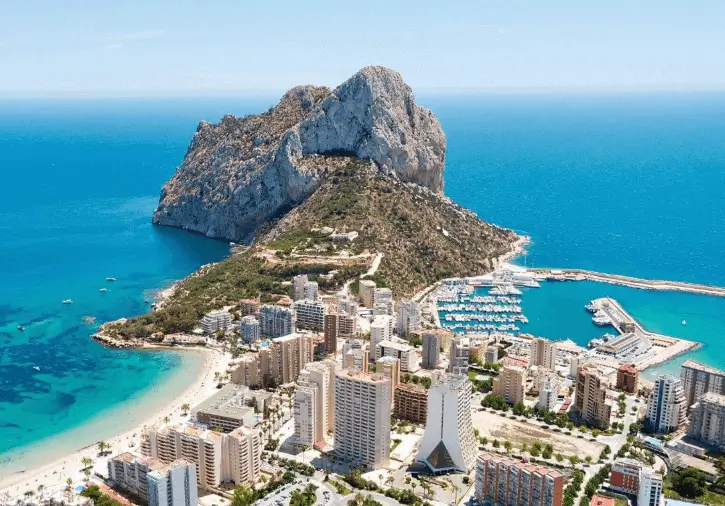
- Population: 27,616 inhabitants according to INE 2025 data, with a foreign population of close to 53%
- Gender split: roughly 51% women and 49% men
- Average age: around 47 years
- Purchasing power: above average, with an economy based on tourism and international residents
- Economic activity rate: around 50%, weighted towards tourism, hospitality and services for foreign residents
- Relevance for advertising: a leading tourist destination in the Marina Alta, with the Peñón de Ifach and a very high share of international residents
Calpe has 27,616 inhabitants according to 2025 data from Spain's National Statistics Institute (INE) and a highly international residential profile: close to 53% of the population is foreign, mainly northern European (British, German, Dutch and Belgian) and Russian, one of the highest proportions anywhere in Spain. The silhouette of the Peñón de Ifach, a 332-metre mass of rock declared a Natural Park and a refuge for seabirds such as the European shag, is one of the most recognisable symbols of the Costa Blanca and draws thousands of hikers every year. The economy is focused on tourism, with a dense strip of hotels and apartments between La Fossa and Arenal-Bol beaches, several marinas and a very busy yacht harbour with boating services, starred restaurants such as Audrey's and Komfort, and the Baños de la Reina, Roman archaeological remains. Links with Alicante via the AP-7 (exit 64) and with Valencia, together with the Alicante tram, sustain a steady flow of visitors.
In Calpe we have around 23 sites, mostly MUPIs (16 of them), plus bus shelters (7). Locations cover Avenida del Port at the roundabout with Avenida de Europa, Avenida de Europa next to the outdoor car park, Avenida Ejércitos Españoles at Calle L'Esport, Avenida Juan Carlos I at Avenida Rosa de los Vientos, Parque La Vallesa, and the corridors towards Arenal-Bol beach and the hotels around the Peñón. Coverage also reaches the municipality's residential estates, the approaches to Avenida Diputación opposite Hospital Clínica Calpe, the areas around Mercadona and Lidl in the centre, and the routes towards the old town and the Iglesia Vieja. It is an excellent inventory for advertisers in tourism, hospitality, marine leisure, private medical services, diving schools and international estate agents, and for campaigns aimed at northern European residents.
MUPIs in Calpe
In Calpe, MUPIs are the preferred format for tourism advertisers and for services aimed at international residents: hospitality, marine leisure, holiday lets, property services, private healthcare, language schools and campaigns aimed at British and northern European families living in the municipality.
The main MUPI locations in Calpe are spread across Avenida del Port, Avenida de Europa, Avenida Ejércitos Españoles, Avenida Juan Carlos I, Parque La Vallesa and the corridors towards Arenal-Bol and La Fossa beaches.
Bus shelters in Calpe
Bus shelters in Calpe cover the routes of the town buses and the Alicante tram, which connects with Denia and Benidorm. They are a suitable format for medium-length tourism and professional services campaigns.
Our stops include Avenida de Europa, Avenida Ejércitos Españoles and the corridors towards the railway station and the hotels around the Peñón.
Outdoor advertising in Jávea
- Population: 30,642 inhabitants according to INE 2025 data, with a foreign population of almost 47%
- Gender split: roughly 50% women and 50% men
- Average age: around 47 years
- Purchasing power: above average, with a very well-established economy based on tourism and international residents
- Economic activity rate: around 50%, weighted towards tourism, hospitality, retail and services for foreign residents
- Relevance for advertising: one of the destinations with the highest share of British residents in Spain, with the Montgó Natural Park as its defining landmark
Jávea has 30,642 inhabitants according to 2025 data from Spain's National Statistics Institute (INE), almost half of them foreign, with the British community especially prominent (close to 6,000 registered residents, one of the largest in the whole of the Valencian Community). In summer the municipality quadruples its population to around 150,000 people, and it combines three distinct centres: the hilltop old town, the Puerto and the Arenal area, with its main tourist beach and a concentration of hospitality businesses. It is sheltered by Cabo de la Nao and the Montgó, a natural park of great scenic value that towers over the municipality at 753 metres, and it has distinctive coves such as Granadella and Portitxol, often ranked among the best beaches in Spain. Links with the AP-7 (exit 62) and the N-332 sustain the flow of tourists and residents.
In Jávea we work with around 20 sites, overwhelmingly MUPIs (17 of them), plus bus shelters. Locations cover Avenida Palmela at Calle Guillén de Castro, the Lidl roundabout, the McDonald's roundabout, Avenida Ultramar at Calle Tesalónica, the Rotonda de los Delfines where it meets Calle Lepanto, and the corridors towards the Arenal and the Puerto. Coverage also reaches the residential estates on the Montgó and along the coast, the approaches to Hospital de Denia, the corridors towards Cabo de la Nao and the routes between the three centres. The inventory is a very good fit for advertisers in hospitality, seasonal retail, private medical services, language schools and estate agents, for campaigns aimed at the resident British community, and for campaigns in English specifically targeting the northern European profile of the Marina Alta.
MUPIs in Jávea
MUPIs in Jávea are the preferred format for advertisers targeting international residents: estate agents, language schools, private medical services, gourmet retail, restaurants and marine services. Their constant presence along the Arenal strip and the residential corridors guarantees a high share of voice.
The main MUPI locations in Jávea are spread across Avenida Palmela, the Lidl roundabout, the McDonald's roundabout, Avenida Ultramar, the Rotonda de los Delfines and the corridors towards the Arenal and the Puerto.
Bus shelters in Jávea
Bus shelters in Jávea cover the town and district bus routes linking the municipality's three centres (old town, Puerto and Arenal), and they are a suitable format for tourism and professional services campaigns.
We cover stops on Avenida Palmela and the corridors towards the Arenal and the Puerto.
Outdoor advertising in the Valencian Community's beach resorts
The coast of the Valencian Community is famous for its beaches and pleasant climate, and it draws Spanish and international tourists all year round, especially in the summer season. These areas have a lively atmosphere and a growing economy, and outdoor advertising here guarantees high visibility, reaching residents and visitors alike.
The high concentration of tourists in places such as Calpe, Denia, Gandia and Benicàssim offers a unique opportunity to brands looking to maximise their exposure. Besides well-developed transport and leisure infrastructure, these coastal destinations offer a diverse and receptive public, which makes outdoor advertising an effective strategy for reaching a wide audience.
Outdoor advertising in Calpe
Calpe, known for the iconic Peñón de Ifach, is a high-profile tourist destination on the Costa Blanca. Its population multiplies in summer, and the town draws tourists from all over Europe, especially the UK and Germany. Outdoor advertising works very well here because of the high footfall around its beaches, port and shopping areas.
MUPIs and billboards in Calpe give brands a presence in prime areas such as the seafront promenade and the approaches to the historic centre, which thousands of people pass through every day, making the town a strategic location for high-impact campaigns.
Outdoor advertising in Jávea
Jávea, set between mountains and sea, is one of the most beautiful destinations on the Mediterranean coast. It attracts affluent tourists looking for an exclusive atmosphere, especially in its luxury residential areas and on its beaches with crystal-clear water.
Outdoor advertising in Jávea benefits from the constant flow of visitors in areas such as the Arenal and the port, where well-placed MUPIs and billboards can catch the eye of an audience that values exclusivity and quality.
Outdoor advertising in Gandia
Gandia, with its broad sandy beach and lively nightlife, is a popular destination for young people and families in high season. Its port and its proximity to Valencia bring a constant flow of tourists and visitors.
Placing MUPIs and billboards on the main avenues and the approaches to Gandia beach lets brands reach a mass audience, because these prime locations carry heavy traffic, which suits campaigns that need continuous visibility.
Outdoor advertising in Xàtiva
Xàtiva is not on the coast, but it is a historic town with strong tourist appeal, largely thanks to its famous castle. It receives visitors interested in history and culture, which offers an effective advertising opportunity to catch the attention of tourists who value tradition.
Outdoor advertising in the historic centre and on the approaches to the castle makes brands part of the tourist route, reaching an audience interested in products and services that reflect the identity and character of the region.
Outdoor advertising in Puçol
With its quiet, family-friendly beach, Puçol is an excellent place for outdoor advertising aimed at local residents and visitors from the surrounding area. The beach and leisure areas are the main focus of activity, especially in the summer months.
Siting MUPIs and billboards near the beach and on the main avenues gives brands visibility among a local, short-stay audience looking for products and services in leisure and dining.
Outdoor advertising in Sagunto
Sagunto is a town with a rich history and great cultural appeal, known for its castle and Roman theatre. Its industrial port and beach also draw a mix of tourists and residents, which creates a constant flow of people.
Outdoor advertising in Sagunto is especially effective in the historic centre and near the beach, where MUPIs and billboards stand on routes that tourists and residents have to pass through, ensuring high visual impact.
Outdoor advertising in Oropesa
Oropesa del Mar is one of the classic tourist destinations on the Costa del Azahar, known for its beach and its large holiday complex, Marina d'Or. The influx of tourists in summer makes Oropesa a strategic location for outdoor advertising.
Brands can gain visibility by placing MUPIs and billboards near the holiday complexes and on the approaches to the beach, guaranteeing reach among the thousands of tourists who visit the area each year, mostly families and groups.
Outdoor advertising in Benicàssim
Benicàssim is famous for its international music festival and beautiful beaches. Every year it draws thousands of visitors, both for the festival and for its beaches and friendly atmosphere, which makes it an ideal destination for outdoor advertising.
Placing MUPIs and billboards on the approaches to the beaches and near the festival lets brands catch the attention of a diverse audience, from young people and families to the international tourists who come for the event.
Outdoor advertising in Vinaròs
Vinaròs, famous for its beaches and its food, especially the popular Vinaròs king prawn, attracts tourists and residents from the region. Its proximity to Catalonia and its coastal character make it a much-visited destination.
Outdoor advertising in Vinaròs is ideal for reaching tourists and residents alike. MUPIs and billboards on the main avenues and near the beach give a campaign continuous visibility, reaching a varied audience.
Outdoor advertising in Orihuela

- Population: 84,560 inhabitants according to INE 2025 data, with more than 30,000 in Orihuela Costa
- Gender split: roughly 50% women and 50% men
- Average age: around 44
- Purchasing power: average in the town centre and above average on the coast, with an agricultural, tourist and residential economy
- Economic activity rate: around 52%, weighted towards tourism, irrigated farming and services
- Relevance for advertising: capital of the Vega Baja comarca, with a fast-growing coastline and a high proportion of British and northern European residents
Orihuela has 84,560 inhabitants according to 2025 data from Spain's National Statistics Institute (INE) and is the capital of the Vega Baja del Segura comarca, at the south-western tip of the province of Alicante, on the border with the Region of Murcia. Its population is split between the historic town centre, beside the Segura river, and a booming coastline, Orihuela Costa. The coast already has more than 30,000 residents and is growing at double-digit rates thanks to residential estates such as Dehesa de Campoamor, La Zenia, Playa Flamenca and Cabo Roig, with a strong British and northern European presence. The town centre preserves outstanding architectural heritage, including the cathedral, the Colegio de Santo Domingo and the legacy of the poet Miguel Hernández. The A-7 motorway and the N-340, together with the CV road network linking the coast and the interior, carry the traffic of the largest municipality by area in the province.
In Orihuela we have around 26 sites, mostly billboards, with the occasional monopole billboard, concentrated on the main road arteries. Locations cover the approaches to Ociopia shopping centre from the N-340, the Puertas de Murcia roundabout heading towards Alicante and Crevillent, the CV-930 by the entrance to La Matanza, the approaches to Zenia Boulevard shopping centre and to La Zenia from Carretera de Villamartín, the N-332 by Playa Flamenca and the climb up to Lomas de Campoamor. Coverage is geared to the Orihuela Costa corridors and the junctions with the A-7. It is an excellent inventory for advertisers in fast-moving consumer goods, the motor trade, shopping-centre retail and international estate agents, and for campaigns aimed at foreign residents on the coast.
Billboards in Orihuela
Billboards in Orihuela are the highest-impact format for road traffic in the Vega Baja, and they suit superstores, the motor trade, leisure and campaigns aimed at Orihuela Costa's international residents.
The main locations are spread across the approaches to Ociopia shopping centre and Zenia Boulevard, the Puertas de Murcia roundabout, the CV-930 by La Matanza and the N-332 by Playa Flamenca.
Monopole billboards in Orihuela
The monopole billboard in Orihuela offers elevated, long-distance visibility at road junctions, a suitable format for brands seeking sustained awareness along the coastal corridors.
The site sits on the approaches to Orihuela Costa, on the routes linking to the N-332 and the A-7.
Outdoor advertising in Sedaví

- Population: 10,837 inhabitants according to INE 2025 data
- Gender split: roughly 51% women and 49% men
- Average age: around 44
- Purchasing power: average, with a retail and services economy integrated into Valencia's southern conurbation
- Economic activity rate: around 56%, weighted towards retail, hospitality and services
- Relevance for advertising: a municipality in l'Horta Sud next to Bonaire shopping centre and the Pista de Silla corridor, with heavy metropolitan traffic
Sedaví has 10,837 inhabitants according to 2025 data from Spain's National Statistics Institute (INE) and is part of the l'Horta Sud comarca, in the inner ring of the Valencia metropolitan area, in a conurbation with Alfafar, Benetússer and Massanassa. It is a municipality with a market-gardening tradition, now fully integrated into metropolitan flows, with a dense town centre and retail activity heavily shaped by its proximity to Bonaire shopping centre, one of the largest in the Valencian Community, and to the Pista de Silla corridor (V-31). The municipality was one of those affected by the DANA storm of October 2024, which has prompted intense activity in reconstruction and local retail. It retains the parish church of Nuestra Señora del Rosario and a network of small shops and hospitality businesses serving the whole southern conurbation.
In Sedaví we work with around 22 sites, split between MUPIs (14 of them) and billboards (8). Locations cover Avenida del País Valencià where it crosses Calle del Mestre Serrano and Calle Colón, Avenida de l'Albufera next to McDonald's and where it crosses Calle Valencia, Avenida del Mediterráneo at Calle Azagador de la Torre, Calle Gómez Ferrer at Calle Capitán Cortés and the Bonaire shopping centre roundabout heading towards the Pista de Silla. Coverage also reaches the corridors towards El Saler and Pinedo and the approaches to the V-31. It is a very useful inventory for advertisers in superstore retail, neighbourhood retail, restaurants and the motor trade, and for campaigns targeting the southern Valencia metropolitan area.
MUPIs in Sedaví
MUPIs in Sedaví reach a dense metropolitan population and the shopping traffic heading to Bonaire, and they suit neighbourhood retail, restaurants and services for residents of the southern Valencia area.
The main MUPI locations are spread across Avenida del País Valencià, Avenida de l'Albufera, Avenida del Mediterráneo and Calle Gómez Ferrer.
Billboards in Sedaví
Billboards in Sedaví reinforce coverage of the main road corridors through l'Horta Sud, a large format that works well for superstore retail and the motor trade.
We have sites at the Bonaire shopping centre roundabout heading towards the Pista de Silla and on the approaches to the V-31 towards El Saler and Pinedo.
Outdoor advertising in Alfaz del Pi

- Population: 21,080 inhabitants according to INE 2025 data, with a high proportion of foreign residents
- Gender split: roughly 50% women and 50% men
- Average age: around 46 years
- Purchasing power: above average, with a tourist and residential economy and services for international residents
- Economic activity rate: around 52%, weighted towards tourism, hospitality and services
- Relevance for advertising: a municipality in the Marina Baixa with its beach district, El Albir, and one of the largest northern European communities in Spain
Alfaz del Pi, officially l'Alfàs del Pi, has 21,080 inhabitants according to 2025 data from Spain's National Statistics Institute (INE) and lies in the Marina Baixa comarca, at the foot of the Serra Gelada, in the heart of the Costa Blanca and in a conurbation with Benidorm and Altea. It is one of the municipalities with the highest share of foreign residents in Spain, with a well-established Norwegian and northern European community that has left its mark on local cultural and commercial life. Its coastal centre, El Albir, is home to the beach, Paseo de las Estrellas, the Albir lighthouse inside the Serra Gelada Natural Park and a dense concentration of services. The municipality hosts the l'Alfàs del Pi film festival and retains a traditional inland town centre. The N-332 and the AP-7 connect it with the Marina Baixa tourist corridor.
In Alfaz del Pi we have around 22 sites, mostly bus shelters (12 of them), plus billboards, MUPIs and street thermometers. Locations cover Avenida de l'Albir at Calle d'Eurim, Avenida Óscar Esplà along Bulevar dels Músics in the beach area and where it crosses Calle Richard Wagner, Camí Vell d'Altea at Calle San Pedro, Camí del Mar at Avenida Ejércitos Españoles, Paseo de las Estrellas and Avenida de l'Albir next to Mercadona. Coverage also reaches the approaches to El Albir from the N-332 and the routes towards Benidorm and Altea. It is an excellent inventory for advertisers in tourism, hospitality, private medical services, international estate agents and the arts, and for campaigns aimed at northern European residents.
Bus shelters in Alfaz del Pi
Bus shelters in Alfaz del Pi cover the public transport routes towards Benidorm and Altea and the El Albir corridors, an ideal format for medium-length campaigns in tourism, private healthcare and services for international residents.
The main bus shelter locations are spread across Avenida de l'Albir, Avenida Óscar Esplà, Camí del Mar and Paseo de las Estrellas.
Billboards in Alfaz del Pi
Billboards in Alfaz del Pi reinforce visibility on the road approaches from the N-332, and they suit the motor trade, estate agents and brand campaigns aimed at the Marina Baixa.
We have sites on the approaches to El Albir and on the corridors towards Benidorm and Altea.
MUPIs in Alfaz del Pi
MUPIs in Alfaz del Pi reach people on the El Albir promenade and around the shops next to Mercadona, and they suit hospitality, neighbourhood retail and the arts.
Locations are on Avenida de l'Albir next to Mercadona and on Bulevar dels Músics in the beach area.
Outdoor advertising in Bétera

- Population: 28,560 inhabitants according to INE 2025 data
- Gender split: roughly 50% women and 50% men
- Average age: around 42
- Purchasing power: above average, with a residential, agricultural and services economy tied to Valencia
- Economic activity rate: around 57%, weighted towards services, retail and irrigated farming
- Relevance for advertising: the most populous municipality in the Camp de Túria and a commuter town for Valencia, connected by line 1 of the Valencia metro
Bétera has 28,560 inhabitants according to 2025 data from Spain's National Statistics Institute (INE) and is the most populous municipality in the Camp de Túria comarca, in the outer ring of the Valencia metropolitan area, about 15 kilometres from the city. It combines agricultural roots in irrigated farming, with oranges as the main crop, and strong residential development that has largely turned it into a commuter town for Valencia, with numerous residential estates spread across the municipality. It is connected to the city by line 1 of the Valencia metro, with its own station, and by the CV-35 and the CV-336. It is home to the high-performance sports training centre and distinctive heritage such as the castle-palace and the Calvario hermitage. Its Festa de les Alfàbegues, dedicated to giant basil plants, is officially listed as of Regional Tourist Interest.
In Bétera we have around 20 sites, mostly billboards (14 of them), plus some MUPIs (6). Locations are concentrated on the CV-336 road by the industrial estate, heading towards Bétera, towards the CV-35 and towards San Antonio de Benagéber, as well as on Carretera de Valencia next to the railway area, Avenida del País Valencià, Avenida de la Diputació at Calle Morvedre and Camino de Lliria where it approaches the roundabout. Coverage also reaches the approaches to the municipality's residential estates and the routes towards the town's metro station. It is a suitable inventory for advertisers in the motor trade, retail, services for residents and sport and leisure, and for campaigns aimed at the population of the outer metropolitan ring.
Billboards in Bétera
Billboards in Bétera are the format with the widest reach among road traffic in the Camp de Túria, and they suit the motor trade, superstores and campaigns aimed at residents of Valencia's outer metropolitan ring.
The main locations are spread across the CV-336 road by the industrial estate, the junctions towards the CV-35 and San Antonio de Benagéber, and Carretera de Valencia next to the railway area.
MUPIs in Bétera
MUPIs in Bétera reach the town centre and the daily routes towards the town's metro station, and they suit neighbourhood retail, services and sport and leisure.
We have locations on Avenida del País Valencià, Avenida de la Diputació at Calle Morvedre and Camino de Lliria where it approaches the roundabout.
Outdoor advertising in Alcossebre

- Population: 7,349 inhabitants according to INE 2025 data in the municipality of Alcalà de Xivert-Alcossebre, with strong seasonality
- Gender split: roughly 50% women and 50% men
- Average age: around 46 years
- Purchasing power: average, with a tourist and agricultural economy and seasonal services
- Economic activity rate: around 50%, heavily weighted towards tourism, hospitality and seasonal retail
- Relevance for advertising: the main tourist centre in the Bajo Maestrazgo, with the Serra d'Irta Natural Park and Las Fuentes beach as its main attractions
Alcossebre is the coastal centre of the municipality of Alcalà de Xivert-Alcossebre, which has 7,349 inhabitants according to 2025 data from Spain's National Statistics Institute (INE), in the Bajo Maestrazgo comarca and on the Costa del Azahar, in the north of the province of Castellón. It is a distinctly family-oriented tourist destination, with some ten kilometres of coastline combining town beaches and unspoilt coves inside the Serra d'Irta Natural Park, one of the few undeveloped stretches of Mediterranean coast. Las Fuentes beach, with its freshwater springs, and the designer lighthouse on the seafront promenade are its most recognisable features. The population multiplies in summer thanks to second homes and nature tourism, which creates marked retail seasonality between June and September.
In Alcossebre we work with around 20 sites, all of them MUPIs, spread along the main thoroughfares of the tourist centre. Locations cover Avenida de las Fuentes where it approaches the shopping centre roundabout, Paseo Marítimo de las Fuentes and its stretch opposite the Guardia Civil station, Avenida Castelló next to Consum, Avenida Blasco Ibáñez towards Plaza Vista Alegre, Plaza de la Constitución, Carrer Camí l'Atall where it crosses Carrer Sant Josep and next to Spar, and Carrer la Mola at Carrer Aljibe. Coverage is geared to the seafront promenade, the tourist office on Plaza Vista Alegre and the routes between the beaches and the town centre. The inventory is a particularly good fit for advertisers in seasonal hospitality, holiday lets, marine services and restaurants, and for brand campaigns aimed at family tourism on the Costa del Azahar.
MUPIs in Alcossebre
MUPIs in Alcossebre are the ideal format for family tourism on the Costa del Azahar: seasonal hospitality, holiday lets, restaurants, marine services and strongly summer-focused brand campaigns.
The main MUPI locations are spread across Avenida de las Fuentes, Paseo Marítimo de las Fuentes, Avenida Castelló next to Consum, Avenida Blasco Ibáñez and Plaza de la Constitución.
How booking outdoor advertising with Marco Visual works
Tell us what you’re looking for
If you’d rather choose yourself, our campaign planner (in Spanish) lets you pick the weeks and then browse the map or the list of sites, with filters by type of site, city, postcode or distance to a shop or point of interest. Bear in mind the booking cycles: many sites are sold by the week, but most 8x3 m billboards are booked in two-week periods or for 26 weeks, so they’re greyed out if you pick a single week. Click ‘Siguiente’ (Next) and you’ll see a campaign summary with the total price, printing and posting included: we take care of everything. You just enter your contact details and create the campaign.
Either way, you get a unique link to your campaign page, which you can share with your team: the sites you picked, the weeks, the price and the guides for preparing your artwork. You can check it whenever you like.
We confirm availability so you can book online
When everything is cleared, you can enter your billing details on that same page, pay by bank transfer and upload your artwork. Once you’ve paid, upload the transfer receipt so we can confirm the booking sooner.
Remember to send your artwork, following the guides, before the deadline shown on the proposal (usually 7 days before the start). We’ll email you at every step: artwork received and approved, payment received, sites confirmed.
Printing, posting and launch
These photos are usually ready 24 to 48 hours after the start; we’ll email you when they are.
When the campaign ends, you’ll see a notice on the campaign page and receive a satisfaction survey, with the option of leaving us a Google review. It helps us do better.
Frequently asked questions about outdoor advertising in the Valencian Community
How much does an outdoor advertising campaign cost in the Valencian Community?
It depends on format, location and duration. A two-week period on a MUPI in mid-sized towns such as Alcoy, Vinaròs and Burriana can start at around €60-90 per panel and rise to €150-250 in premium areas of Valencia, Alicante and Benidorm. Backlit bus shelters have similar rates, and large billboards on the main roads into town usually cost between €448 and €704 a month. Ask us for a proposal tailored to your area, type of site and campaign length. For billboards in the Valencian Community, the guide price is €78 to €300 per face per week (that is, €156 to €600 per two-week period), excluding VAT and not including poster printing, which is quoted separately; some sites are sold in periods of 2 weeks (14 days) and others can only be booked for 6 months (26 weeks).
Which formats work best for a local business in Valencia?
For a local business in Valencia, the most effective formats are backlit bus shelters in your own neighbourhood or outlying district, MUPIs in nearby pedestrian areas and neighbourhood networks along the routes your potential customers use every day. If your business depends on road traffic (a car dealership, a superstore, a roadside restaurant), billboards on the Pista de Silla, Avenida del Cid and the approaches to Bonaire are the right choice.
How many advertising sites does Marco Visual have in the Valencian Community?
We work with more than 2,700 sites in the region: close to 1,100 MUPIs, 750 billboards, 670 bus shelters, 130 digital screens and a smaller stock of JET panels, monopole billboards, building wraps, street thermometers and newspaper kiosk panels. The biggest concentration is in Valencia, Alicante, Elche and Castellón, with coverage in another 25 towns across the region.
What is the minimum campaign length?
The standard minimum is a two-week period for MUPIs, bus shelters and billboards, and a month for building wraps and monopole billboards. On digital screens we can book plays by the week or by network, with the flexibility to adapt the artwork to the time of day or the event. For peaks such as Fallas, Hogueras and the FIB, it is best to book at least four weeks in advance. For billboards, some sites can only be booked for 6-month periods (26 weeks).
Which areas of Valencia and Alicante get the most footfall and road traffic?
In Valencia, the areas with the most footfall are Calle Colón, Calle Don Juan de Austria, the area around Plaza del Ayuntamiento (the City Hall square) and Ciutat Vella (the old town); for road traffic, Avenida del Cid, the Pista de Silla, Avenida del Puerto and the approaches to Bonaire. In Alicante, the pedestrian hotspots are Avenida Maisonnave, La Rambla and the Mercado Central; the busiest road corridors are Avenida de Denia, Avenida de Novelda and the approaches to the A-70.
Do you have digital sites or only static ones?
We have around 130 digital screens in the region, mainly concentrated in Valencia (Valencia airport at Manises, central avenues and shopping centres such as Bonaire and Heron City) and Alicante (the airport, the main roads into the city and shopping centres). Digital lets you change the artwork during the campaign, match the message to the time of day and run several creatives in the same loop.
What happens after I ask for a proposal?
The usual process is: you tell us your objective, area and budget; our team selects the sites and we send you a proposal with a map, photos and prices; once you give us the go-ahead, we sign the contract and book the sites; you send us the artwork in the sizes we specify, and we take care of printing, posting and proof-of-posting photos when the campaign goes live. The whole process, from request to launch, usually takes between 7 and 14 calendar days.
Is outdoor advertising worth it compared with a digital-only campaign?
In the Valencian Community, outdoor brings two things that digital does not cover entirely: reach at moments when there is no screen in front of people (commuting, waiting for the bus, out for a walk, shopping) and a credible local context. In tourist areas such as Benidorm, Calpe, Jávea and Peñíscola, MUPIs and bus shelters reach visitors who do not consume Spanish digital media. Combining outdoor with social media and local radio usually gets better results than any of those channels on its own.
When is the best time of year to advertise in the Valencian Community?
There are three very strong trading periods: Fallas in March (Valencia and many towns and villages), the Hogueras de San Juan in June (Alicante and the Marina Baja) and the summer season from June to September, which multiplies the population all along the coast. Other notable peaks are the Magdalena in Castellón (March), the Moros y Cristianos in Alcoy (April), the FIB in Benicàssim (July), the Misteri d'Elx (August) and the festive season through to Three Kings Day in the big cities.
Give your brand more visibility with outdoor advertising
See our advertising sites for yourself, with their prices, locations and photos, and use the campaign planner
Still have questions, or would you like us to advise you and send you a proposal? Get in touch and we’ll send you a personalised quote for your outdoor advertising campaign.




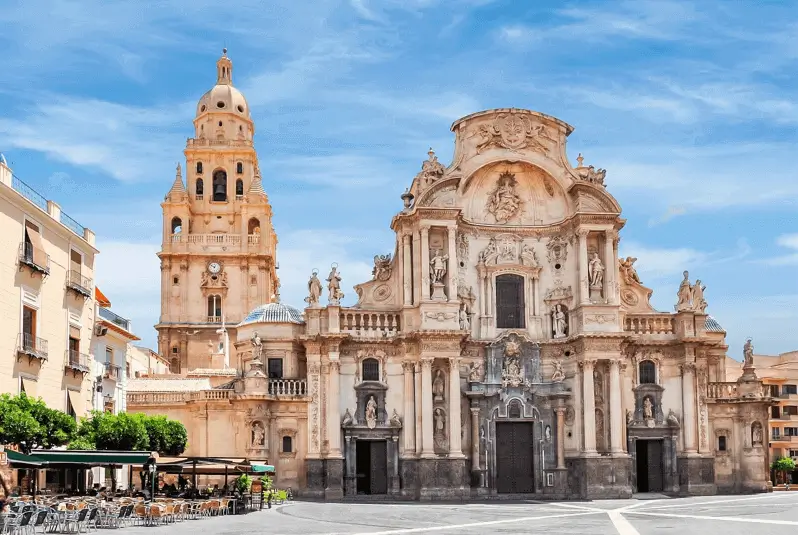
What our clients say in the Valencian Community
Verified Google reviews from businesses that have already worked with Marco Visual.

Hemos quedado satisfechos con la campaña de publicidad que contratamos con Marco Visual para el Conservatorio Superior de Danza de Alicante (CSDA) durante las Hogueras. La campaña contó con cuatro mupis diferentes, cada uno dedicado a un estilo de danza, una iniciativa para dar visibilidad a nuestro conservatorio y acercar la riqueza y diversidad de la danza a la ciudadanía. Destacamos la profesionalidad, la atención recibida y la buena gestión de todo el proceso. Porque la danza también merece ocupar las calles y formar parte de la ciudad. ¡Gracias a Marco Visual por ayudarnos a llevar nuestro arte más allá de las aulas!
Original review in SpanishSee on Google 1 / 4

Hemos trabajamos con Marco Visual para la campaña de apertura de nuestra nueva clínica en Molina de Segura, y la experiencia ha sido positiva. Negociamos directamente con ellos, sin intermediarios: el trato es cercano y las respuestas, rápidas. Necesitábamos resolver ubicaciones, formatos y plazos con poco margen de tiempo, y flexibilidad para adaptar la propuesta a lo que necesitábamos. Recomendado
Original review in SpanishSee on Google

Ha sido nuestra primera experiencia en implementar un MUPI, pensábamos que sería algo engorroso en cuanto al proceso y verdaderamente nos hemos confundido. La atención de Alejandro desde el primer momento ha sido rápida, precisa en las indicaciones y nos ha facilitado todo. Ademas agregar que el sistema que tienen implementado online para el seguimiento ha sido muy práctico, sabes el status de la campaña en todo momento, repetiremos!
Original review in SpanishSee on Google

Nuestra experiencia ha sido muy positiva. Queremos destacar especialmente la profesionalidad, rapidez y atención recibida durante todo el proceso. El equipo ha demostrado en todo momento una excelente disposición y un trato cercano y profesional. Mención especial para Alejandro M., por su amabilidad, eficacia y atención constante. Ha sido un placer contar con su ayuda y profesionalidad. Sin duda, recomendamos sus servicios y agradecemos el trato recibido.
Original review in SpanishSee on Google

Hemos quedado muy satisfechos con la campaña de publicidad exterior realizada con Marco Visual. Desde el primer momento, el trato ha sido cercano y profesional, facilitando todo el proceso y resolviendo nuestras dudas con rapidez. La gestión de la campaña ha sido ágil y eficiente, y el seguimiento durante toda la ejecución nos ha transmitido confianza. La instalación y el mantenimiento de los soportes se han realizado correctamente, cumpliendo con lo acordado. Agradecemos especialmente la atención recibida y la buena comunicación del equipo. Ha sido una experiencia muy positiva y no dudaríamos en contar con Marco Visual para futuras campañas.
Original review in SpanishSee on Google 1 / 2

La campaña que hemos hecho de publicidad exterior ha sido un éxito. La comunicación con Alejandro ha sido lo mejor, muy profesional y atento en todo momento con todos los detalles de la campaña. Repetiremos sin duda en unos meses.
Original review in Spanish See on Google
Explore other advertising formats at Marco Visual


